
2026 NATO Summit Ankara: Trump Lifts Turkey Sanctions
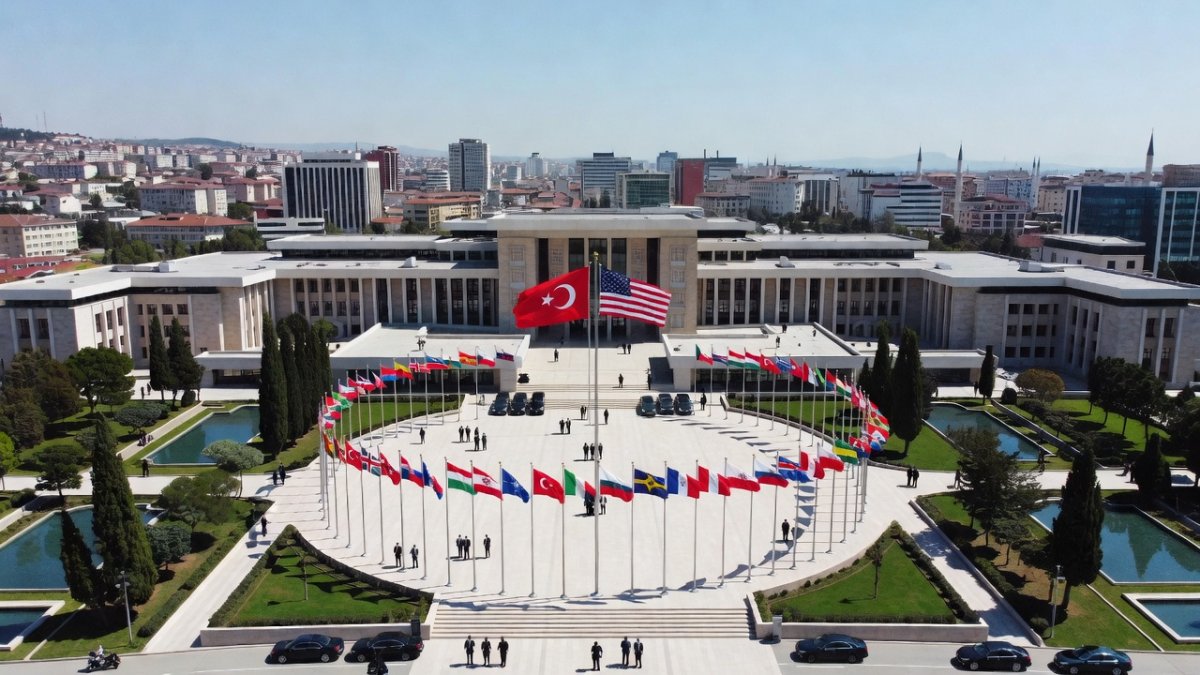
Turkey’s capital hosted the 2026 NATO Summit on July 7-8, positioning the country once again as a strategic bridge between the Atlantic alliance and Middle East flashpoints. President Recep Tayyip Erdogan welcomed leaders to the Presidential Complex amid heightened regional tensions following the Iran war and ongoing conflict in Ukraine. Trump's Challenge to NATO Unity U.S. Pre
Turkey’s capital hosted the 2026 NATO Summit on July 7-8, positioning the country once again as a strategic bridge between the Atlantic alliance and Middle East flashpoints. President Recep Tayyip Erdogan welcomed leaders to the Presidential Complex amid heightened regional tensions following the Iran war and ongoing conflict in Ukraine.
Trump's Challenge to NATO Unity
U.S. President Donald Trump used the Ankara gathering to question the loyalty of several European NATO members. He noted that Britain, Italy, Germany, and France had refused to back Washington during the Iran war. “I’ve always said that we help them, but I’m not sure they would be there for us,” Trump stated. The remarks underscored a deepening rift within the alliance.
The Iran War Aftermath and Alliance Trust
The summit occurred against the backdrop of the recent Iran conflict, which exposed fractures in collective defense commitments. Trump’s criticism of European hesitation framed much of the bilateral diplomacy. Analysts viewed the Ankara meeting as both reassurance for Turkey and a signal that Washington expects greater reciprocity from allies.
Turkey's Strategic Pivot: F-35s, S-400s, CAATSA Relief
In a major development, Trump announced he would lift CAATSA sanctions imposed on Turkey in December 2020 over its purchase of Russian S-400 systems. He also indicated the United States is considering selling F-35 fighter jets to Ankara, describing the aircraft as “a great plane” and praising Turkey as “more loyal than other countries.” Turkey’s defense industry has grown into one of NATO’s largest military exporters, strengthening its hand in these negotiations.
European Defense Spending and the 5% Target
European NATO members are now expected to raise defense spending from the current average of roughly 2% of GDP to between 3.5% and 5%. Last year’s Hague summit produced a 5% pledge. NATO Secretary General Mark Rutte emphasized three priorities: increased defense investment, expanded industrial production, and continued support for Ukraine. Trump singled out Germany’s spending as “ridiculous,” while Chancellor Friedrich Merz described Berlin’s current effort as its “greatest effort ever.”
Ukraine's Urgent Plea
Trump held a separate meeting with Ukrainian President Volodymyr Zelenskyy, during which he requested additional Patriot air-defense systems. The request came one day after a Russian drone attack killed 11 people in Kyiv on July 6. Zelenskyy pressed for accelerated deliveries amid intensified Russian strikes.
Regional Implications for the Middle East
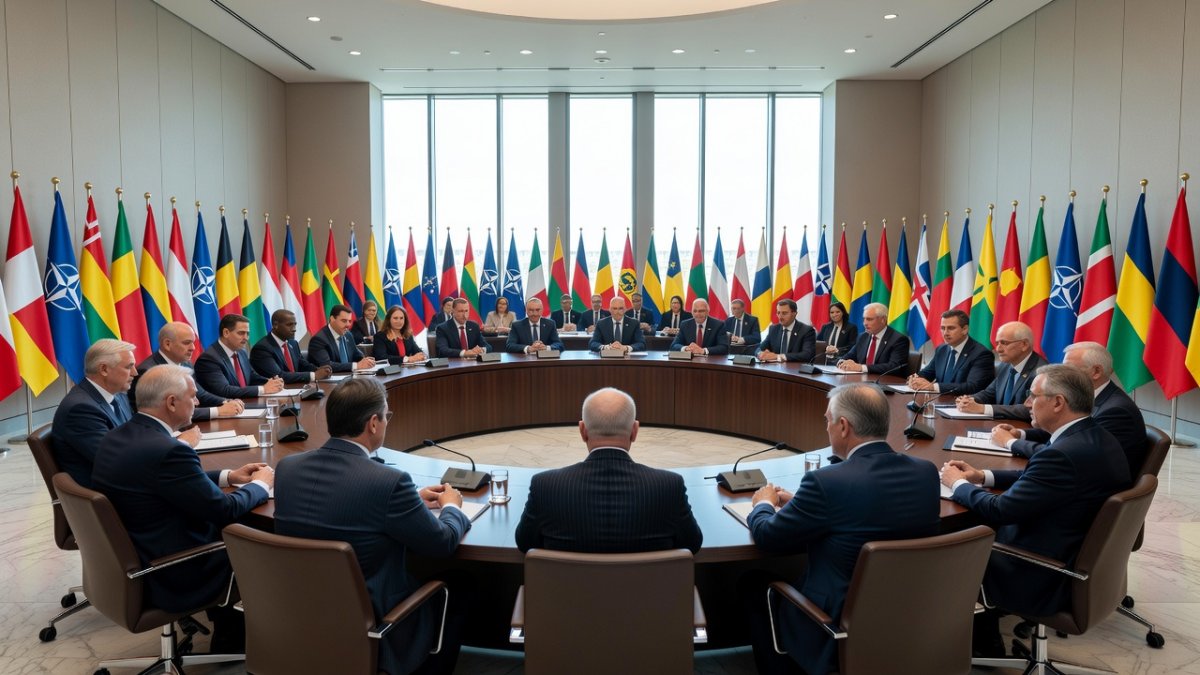
The Ankara summit carries direct consequences for Gulf security and Iran. Turkey’s improved standing with Washington could alter the balance of power in the eastern Mediterranean and affect Israel-Turkey dynamics. Arab states watching the normalization process with Israel now see Ankara as a more influential NATO player. The lifting of CAATSA sanctions and potential F-35 deliveries may encourage Gulf capitals to recalibrate their own defense procurement strategies. Analysts describe the summit primarily as “reassurance and signalling” rather than a source of immediate structural change, yet the symbolic weight of Trump’s presence—coupled with his remark that he “might not have attended” if not hosted by Erdogan—reinforces Turkey’s pivotal role between NATO and Middle Eastern security dilemmas.
By Malik Hassan, Staff WriterThis article was produced with AI-assisted research and editorial support. Reporting is based on sources cited in the article.
What's Your Reaction?
 Like
0
Like
0
 Dislike
0
Dislike
0
 Love
0
Love
0
 Funny
0
Funny
0
 Wow
0
Wow
0
 Sad
0
Sad
0
 Angry
0
Angry
0
Middle East Correspondent at Global1.News. Based in Beirut, covering politics, conflict, energy, and society across the Middle East. Brings context and depth to a region often reduced to headlines.











Comments (0)