
Ukrainian Drone Strike Shuts Down Russia's Largest Oil Refinery in Omsk, Raising Fears of Widespread Fuel Shortages
The Strike and Immediate Aftermath The Ukrainian drone attack struck Russia's largest oil refinery in the Omsk region of western Siberia on Monday. This strike ranks among Ukraine's longest-range attacks of the conflict now well into its fifth year. Operations at the plant halted following the incident according to two industry sources speaking on Tuesday. The refinery serves a
The Strike and Immediate Aftermath
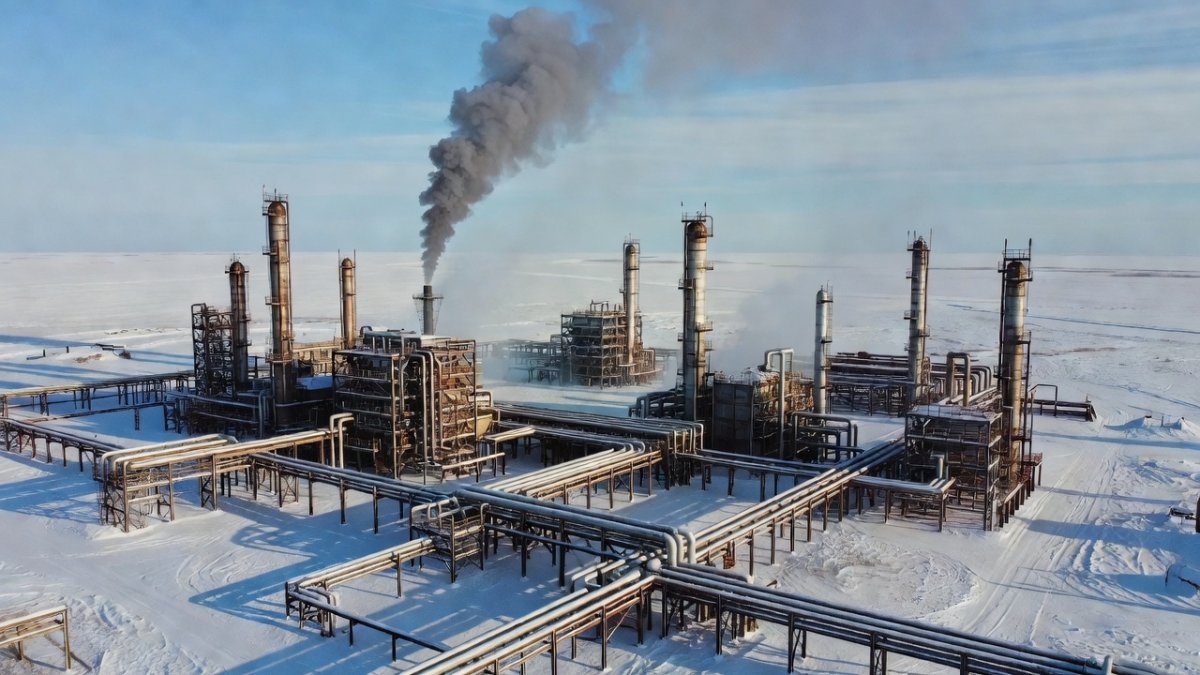
The Ukrainian drone attack struck Russia's largest oil refinery in the Omsk region of western Siberia on Monday. This strike ranks among Ukraine's longest-range attacks of the conflict now well into its fifth year. Operations at the plant halted following the incident according to two industry sources speaking on Tuesday. The refinery serves as Russia's top producer of gasoline and the halt is likely to exacerbate fuel shortages across the country.
Confirmed facts establish that facilities at the Omsk oil refinery sustained damage from the Monday attack. No plant personnel were injured in the event. Anatoly Seryshev issued a statement on Tuesday confirming the damage while noting that damage assessment remains underway. Competent services have organized restoration work in response to the strike.
Official claims from Seryshev did not detail the precise impact on refinery operations. Gazprom Neft which owns the refinery did not immediately reply to requests for comment. The immediate aftermath saw the plant cease sales of gasoline and diesel on the St. Petersburg International Mercantile Exchange on Tuesday. Industry sources confirmed the operational halt without providing further operational timelines.
Damage Assessment: CDU-10 and CDU-11
A crude distillation unit known as CDU-10 caught fire and sustained damage in the attack. This unit accounts for around 38 percent of the plant's production capability with a capacity of 24,580 metric tons a day. The fire damage directly affected primary processing at this scale. Industry sources confirmed the unit's involvement based on post-strike evaluations.
Another primary processing unit CDU-11 was also taken offline following the strike. It accounts for 37 percent of the plant's capacity and processes 24,000 tons of oil per day. While the unit itself was not hit some network links essential to its operation sustained damage. These links form critical connections that prevent standalone function despite the unit escaping direct impact.
CDU-11 entered operation in 2023 and sources indicate it could resume work in the near future once repairs address the network issues. The distinction between direct hits on CDU-10 and indirect effects on CDU-11 highlights targeted vulnerabilities in refinery infrastructure. Damage assessment continues under the direction of competent services as stated by Anatoly Seryshev. Gazprom Neft has offered no additional technical details on the extent of repairs required.
Kremlin's Official Response
Anatoly Seryshev as President Vladimir Putin's representative in Siberia released a statement on Tuesday addressing the attack. He confirmed damage to facilities at the Omsk oil refinery and emphasized that no personnel suffered injuries. Seryshev noted that damage assessment is currently underway with restoration work already organized by competent services. His remarks avoided specifics on how operations were impacted beyond the general confirmation of damage.
Gazprom Neft which owns the refinery maintained silence and did not reply to requests for comment. This lack of response from the company contrasts with the official regional statement from Seryshev. The Kremlin's position frames the event through the lens of ongoing assessment rather than immediate operational disclosures. Regional impact centers on the Omsk facility as a key producer in western Siberia.
Official claims attribute the incident to the Monday drone strike without expanding on broader security measures. The response underscores restoration efforts while deferring detailed operational updates. Industry sources on Tuesday provided the primary details on the halt supplementing the limited official commentary. This approach leaves questions about full capacity restoration timelines unaddressed in public statements.
Fuel Market Fallout
The Omsk refinery stopped selling gasoline and diesel on the St. Petersburg International Mercantile Exchange on Tuesday. Data from the exchange confirms this immediate suspension following the Monday attack. The plant's status as Russia's top gasoline producer means the halt carries direct consequences for national supply chains. Industry sources linked the exchange pause explicitly to the operational shutdown at the facility.
Fuel shortage warnings have emerged due to the refinery's role in producing substantial volumes of gasoline and diesel. The St. Petersburg International Mercantile Exchange activity reflects the sudden removal of Omsk output from the market. This development occurs amid existing pressures on Russian fuel distribution networks. The sources indicated that both CDU-10 and CDU-11 offline status contributed to the sales stoppage.
Market participants now face uncertainty over when Omsk volumes will return to trading. The exchange halt serves as a concrete indicator of disrupted supply rather than a temporary measure. Regional distribution in western Siberia and beyond may experience ripple effects from this pause. Gazprom Neft's silence leaves traders without company-specific guidance on resumption plans.
Restart Options and Mothballed Capacity
CDU-11 could resume work in the near future according to industry sources despite the network link damage. This unit's 2023 commissioning provides a relatively modern asset that may allow quicker recovery once essential connections are restored. The potential restart focuses on addressing indirect effects rather than rebuilding the core unit itself. Production figures from 2024 show the overall plant processed 22 million tons of oil or around 440,000 barrels per day.
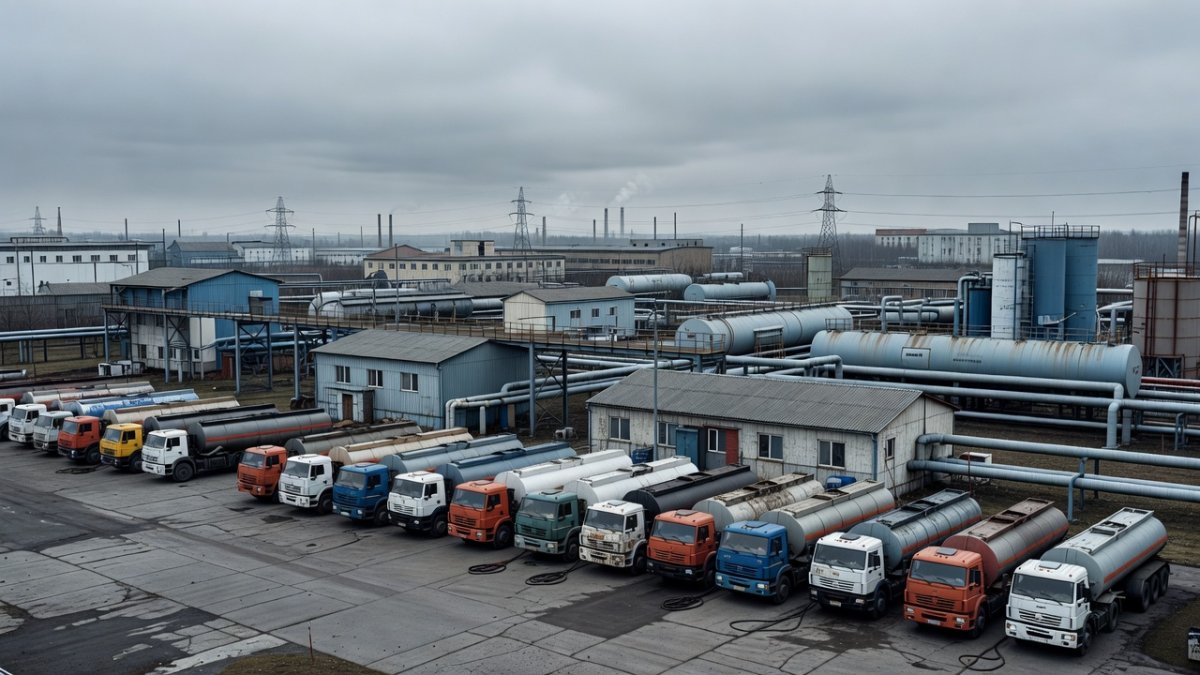
The Omsk refinery maintains two mothballed primary refining units CDU-7 and CDU-8 each with a production capacity of 10,000 tons. In theory the plant could restart these units to offset some lost capacity from CDU-10 and CDU-11. These mothballed assets represent available but inactive resources that have not operated recently. Sources noted this option without confirming any immediate plans for reactivation.
Overall 2024 output included 5 million tons of gasoline and 8 million tons of diesel from the facility. Restart decisions would need to balance technical feasibility against the damage sustained in the attack. CDU-10's fire damage presents a more complex repair challenge compared to CDU-11's network issues. Gazprom Neft has not commented on whether mothballed units will factor into recovery strategies.
Wider Implications for Russian Energy Infrastructure
The Monday strike demonstrated Ukraine's long-range strike capability reaching deep into western Siberia. This attack targeted a facility processing 22 million tons of oil annually and highlighted vulnerabilities in primary distillation infrastructure. Industry sources confirmed the involvement of CDU-10 and CDU-11 which together represent over 70 percent of the plant's capacity. The pattern shows a focus on units critical to gasoline and diesel output.
Targeting strategy appears aimed at disrupting high-volume refining rather than peripheral operations. The Omsk facility's position as Russia's largest refinery amplifies the strategic weight of such strikes. Official claims from Anatoly Seryshev addressed local damage without referencing national infrastructure resilience. Analysis frames this as part of an evolving approach to energy sector pressure during the conflict's fifth year.
Previous incidents have followed similar targeting of distillation capacity though this strike extended the geographic reach. The halt in operations at Omsk underscores how single-facility disruptions can affect broader supply metrics. Gazprom Neft's ownership places the response within corporate and state coordination channels. Interpretation of the event points to sustained efforts against Russian energy processing nodes.
Impact on Ordinary Russians
Domestic fuel prices face upward pressure from the reduced output at the Omsk refinery. The plant's 2024 production of 5 million tons of gasoline and 8 million tons of diesel supported national distribution networks. Remote regions of Siberia may encounter amplified effects due to their reliance on regional refining hubs. The St. Petersburg International Mercantile Exchange halt signals immediate market tightening that could translate to retail availability issues.
Daily life for ordinary Russians could involve higher costs at fuel pumps and potential rationing in affected areas. The operational pause at Russia's top gasoline producer removes significant volumes from circulation. Industry sources tied the sales suspension directly to the damage on CDU-10 and the offline status of CDU-11. This situation compounds existing supply challenges across the country.
Warnings of fuel shortages have already surfaced in connection with the refinery halt. Residents in western Siberia and further afield may see delivery delays for gasoline and diesel. The lack of comment from Gazprom Neft leaves consumers without clear timelines for stabilization. Anatoly Seryshev's statement focused on assessment and restoration without addressing consumer-level impacts.
Analysis and Strategic Implications
This event signals an intensification of the energy war component within the broader conflict. Ukraine's ability to reach and disable key units at Omsk illustrates expanded operational reach that challenges Russian defensive perimeters. The confirmed damage to CDU-10 and the offline status of CDU-11 remove substantial processing capacity at a time when national fuel balances remain sensitive. Interpretation suggests the strike forms part of a deliberate pattern targeting high-output refining assets.
Kremlin response options may include accelerated repairs to CDU-11 and potential activation of mothballed CDU-7 and CDU-8 units. Official claims have emphasized restoration work while avoiding discussion of strategic countermeasures. The silence from Gazprom Neft limits public insight into corporate-level contingency planning. Analysis indicates that sustained pressure on such facilities could force reallocations of resources toward infrastructure protection.
The conflict's fifth year has seen progressive escalation in strikes against energy infrastructure with Omsk representing a notable geographic extension. Restart timelines for affected units will determine the duration of market disruptions reported on the St. Petersburg International Mercantile Exchange. This incident reinforces the refinery's role as a critical node whose impairment carries nationwide consequences. Strategic implications point toward continued focus on refining capacity as a leverage point in ongoing hostilities.
By Irina Volkov, Staff WriterThis article was produced with AI-assisted research and editorial support. Reporting is based on sources cited in the article.
What's Your Reaction?
 Like
0
Like
0
 Dislike
0
Dislike
0
 Love
0
Love
0
 Funny
0
Funny
0
 Wow
0
Wow
0
 Sad
0
Sad
0
 Angry
0
Angry
0

Russia/Eastern Europe Correspondent at Global1.News. Covering Russian politics, energy, security, and the shifting dynamics of the post-Soviet space. Provides clear-eyed analysis on one of the world's most opaque regions.














Comments (0)