
Caspian Sea Strike, Iran-Ukraine Tensions Rock Oil
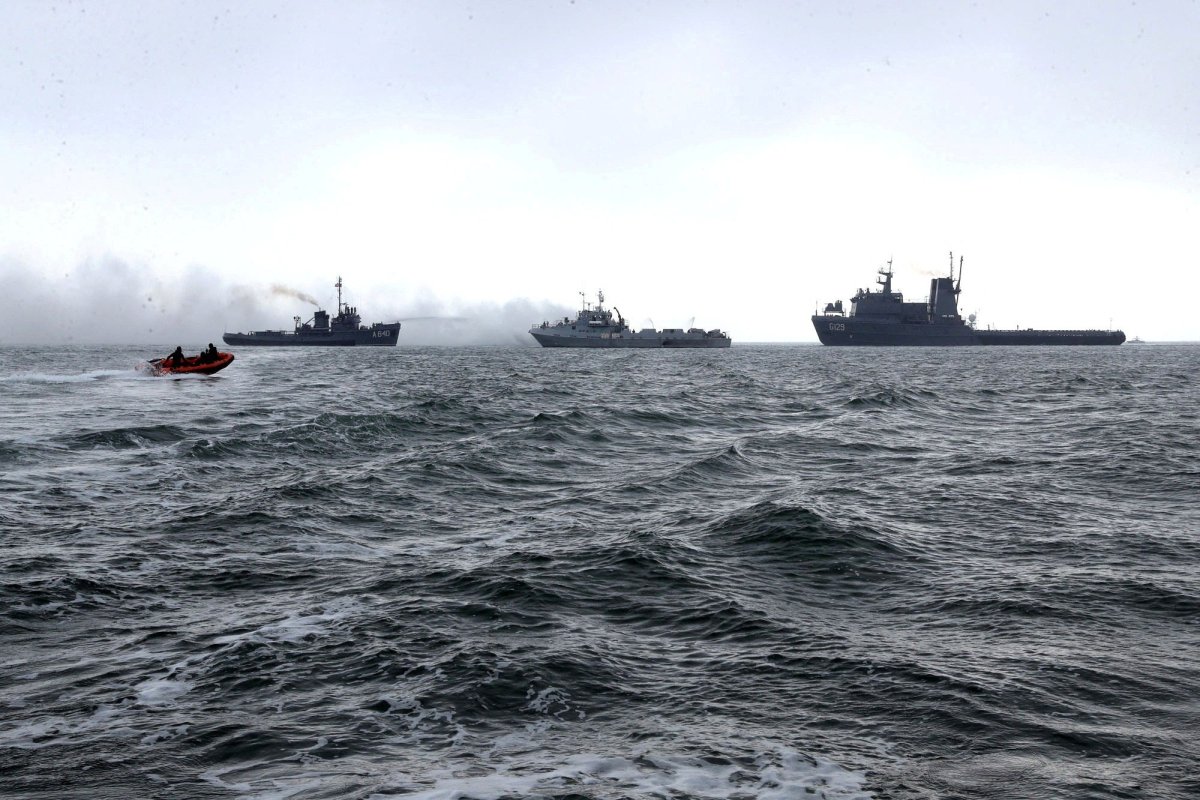
The Caspian Sea Attack and Immediate Repercussions Ukrainian forces struck Iranian cargo vessels and a warship in the Caspian Sea over the weekend, according to President Volodymyr Zelenskyy. The Ukrainian SBU described the targets as vessels under international sanctions used to move military cargo between Iran and Russia.
The Caspian Sea Attack and Immediate Repercussions
Ukrainian forces struck Iranian cargo vessels and a warship in the Caspian Sea over the weekend, according to President Volodymyr Zelenskyy. The Ukrainian SBU described the targets as vessels under international sanctions used to move military cargo between Iran and Russia. Iran's Foreign Ministry responded on Monday by warning of unforeseen consequences and summoning Ukraine's charge d'affaires in Tehran to deliver a formal protest.
Foreign Minister Abbas Araghchi called the operation a blatant violation of the UN Charter and alleged it was conducted at Israel's behest to draw Europe into the conflict. The ministry characterized the strike as a hostile and criminal act, setting the stage for further diplomatic friction between Tehran and Kyiv.
The Caspian Sea's legal status remains contested under the 2018 Convention on the Legal Status of the Caspian Sea, which Iran has long viewed as insufficient to protect its southern sector interests against Russian and Kazakh claims. Past Iranian naval exercises in the same waters, including 2023 drills targeting suspected smuggling routes, underscore Tehran's sensitivity to any external challenge to its maritime sovereignty. Ukrainian strikes here therefore revive memories of earlier proxy shadow conflicts in which Iran tolerated limited losses to maintain arms corridors.
Iran's Diplomatic Outreach and Warnings
Abbas Araghchi held urgent consultations with EU Foreign Policy Chief Kaja Kallas and Russian Foreign Minister Sergei Lavrov following the attack. Ebrahim Azizi, head of Iran's parliament National Security Commission, stated that Ukraine may soon understand that Iran does not let actions go unanswered. These steps signal Tehran's intent to mobilize both European and Russian channels while preparing a response calibrated to avoid immediate wider escalation.
Zelenskyy separately claimed that Russia shares satellite surveillance with Tehran over US military facilities in Bahrain, Jordan, and Kuwait. This allegation adds another layer to the information contest surrounding the Caspian operation and underscores how the incident links directly to Russian-Iranian military cooperation.
Chatham House analysts note that Araghchi's outreach mirrors Iran's 2019-2020 strategy of engaging European capitals to offset U.S. maximum-pressure sanctions, yet with diminished leverage after the collapse of the JCPOA revival talks. International Crisis Group reports similarly highlight how Tehran has historically used Russian diplomatic cover to blunt European criticism, a tactic now tested by Ukraine's direct involvement. Any calibrated Iranian response will likely prioritize deniable actions over overt retaliation to preserve these channels.
Connection to the US-Iran Strike Pause
The Caspian events unfold against a weekend pause in direct US-Iran strikes after two weeks of exchanges. The pause coincides with discussions about a possible return to negotiations. While the Pentagon offered no comment on the halt in attacks along Iranian coastal areas, the timing suggests both sides are weighing whether limited de-escalation can create space for talks without conceding core positions.
Iran's response to the Ukrainian strike will test whether the pause can hold. Any Iranian retaliation framed as punishment for the Caspian losses risks drawing renewed US attention, while restraint may strengthen Tehran's hand in any renewed diplomatic channel with Washington.
Carnegie Middle East Center assessments emphasize that past U.S.-Iran pauses, such as the 2020 post-Soleimani de-escalation, collapsed when one side perceived domestic political advantage in renewed pressure. The current window is narrower because Iran's depleted air defenses and Ukraine's demonstrated reach reduce Tehran's margin for error. European diplomats fear that even a limited Iranian proxy response could trigger secondary U.S. sanctions that close remaining oil-sale loopholes to China.
Oil Market Reaction and Supply Data
Brent crude fell 6.8 percent to $85.49 per barrel on Monday, while the US benchmark dropped 7 percent to $83.06. Earlier in the conflict, Brent had touched $100 as shipments through the Strait of Hormuz declined and disruptions spread to the Red Sea. Kpler data showed fewer than 10 commodity vessels transiting the Strait daily during the weekend, illustrating the fragility of the route even during the current pause.
Stephen Innes of SPI Asset Management noted that oil's sharp retreat loosened the geopolitical knot. Societe Generale analysts estimate that each month without resolution in the Red Sea adds at least $10 per barrel. UOB analysts warned that sustained supply disruption would likely keep prices elevated and pose upside risks to global inflation.
Insurance premiums for tankers transiting the Strait of Hormuz have risen 40 percent since the weekend according to Lloyd's of London syndicates, while Asian importers in India and South Korea report spot-contract cancellations for Iranian-grade crude. Alternative routes via the Cape of Good Hope add roughly 18 days of sailing time and $3.50 per barrel in freight costs, figures that OPEC+ members are already factoring into their December production quota debates.
Strategic Calculus for Key Actors
Iran seeks to maintain revenue from oil exports while preserving its military supply lines to Russia. The Caspian losses threaten both goals. Ukraine aims to disrupt those same supply lines to weaken Russian capabilities, accepting the risk of Iranian retaliation. The United States, having paused strikes, appears focused on preventing a broader spike in energy prices that could complicate domestic inflation and Federal Reserve decisions this week.
Regional actors such as Saudi Arabia and the UAE watch closely. Higher oil prices support their diversification plans under Vision 2030, yet sustained volatility threatens investment flows. Turkey and Qatar maintain separate channels with both Tehran and Moscow, positioning themselves to mediate if the pause collapses.
Second-order effects include potential Saudi willingness to increase output to cap prices, a move that would strain OPEC+ cohesion already tested by Russia's parallel deals with Iran. Gulf states are also recalibrating Abraham Accords security coordination, recognizing that Ukrainian strikes on Iranian assets indirectly bolster Israel's deterrence narrative without requiring direct Gulf involvement.
Implications for Regional Stability and Alliances
The incident illustrates how the Ukraine conflict now directly intersects with Gulf security. Iranian arms shipments to Russia via the Caspian create a new vector for Ukrainian strikes that can spill into waters adjacent to Central Asian energy routes. This dynamic pressures the Abraham Accords framework, as Israel and Gulf states share concerns over Iranian missile and drone capabilities even as they differ on how to respond.
Great-power competition adds further complexity. Russia benefits from Iranian hardware, while China tracks oil price movements for its import bill. Any prolonged disruption through the Strait of Hormuz would accelerate Beijing's interest in alternative routes and strengthen Moscow's leverage in OPEC+ discussions.
Global South reactions have been muted but revealing: Indian refiners have quietly increased Russian crude purchases to hedge against Hormuz volatility, while African energy importers warn that sustained price spikes could derail post-pandemic recovery programs. These shifts illustrate how a single Caspian incident now ripples across non-aligned states previously insulated from direct Ukraine-related energy shocks.
Outlook for Negotiations and Energy Markets
The pause in US-Iran strikes offers a narrow window, yet the Ukrainian Caspian operation narrows it further. If Iran responds asymmetrically through proxies rather than direct action, the pause may survive long enough for talks to resume. Conversely, a visible Iranian counter-strike would likely end the pause and push Brent back toward triple digits.
US gasoline prices at $4.11 per gallon already reflect earlier supply concerns. The Federal Reserve meeting this week will weigh whether the recent price drop provides enough relief to consider rate adjustments or whether fresh volatility from the Caspian theater rekindles inflation fears. Regional stability now hinges on whether Abbas Araghchi's diplomatic outreach and the US pause can contain the fallout from the weekend strikes.
Should the pause hold into next month, analysts at the International Crisis Group project a modest rebound in Strait transits that could shave $4-6 off Brent, yet any renewed Ukrainian interdiction of Caspian traffic would reverse those gains within days. The interplay between these two theaters now determines whether energy markets stabilize before the Federal Reserve's next policy signal.
By Malik Hassan, Staff WriterThis article was produced with AI-assisted research and editorial support. Reporting is based on sources cited in the article.
What's Your Reaction?
 Like
0
Like
0
 Dislike
0
Dislike
0
 Love
0
Love
0
 Funny
0
Funny
0
 Wow
0
Wow
0
 Sad
0
Sad
0
 Angry
0
Angry
0

Middle East Correspondent at Global1.News. Based in Beirut, covering politics, conflict, energy, and society across the Middle East. Brings context and depth to a region often reduced to headlines.













Comments (0)