
NYK Line Vessels Stranded in Hormuz: Japan Shipping Crisis
Current Status of Stranded NYK Line Vessels The announcement by Nippon Yusen K.K. president Takaya Soga on June 17, 2026, at the annual shareholders meeting in Tokyo confirmed that roughly 10 NYK Line cargo vessels remain trapped in the Persian Gulf. The Strait of Hormuz blockade has prevented any exit routes for these ships, leaving them anchored without clear timelines for de
Current Status of Stranded NYK Line Vessels
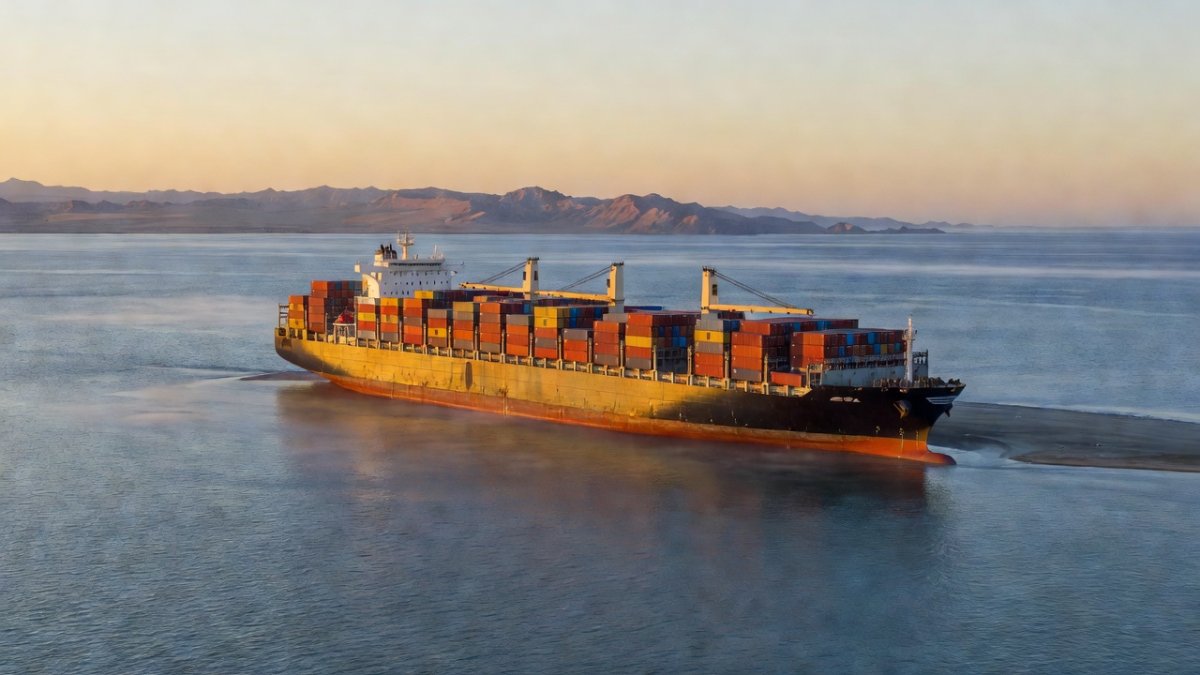
The announcement by Nippon Yusen K.K. president Takaya Soga on June 17, 2026, at the annual shareholders meeting in Tokyo confirmed that roughly 10 NYK Line cargo vessels remain trapped in the Persian Gulf. The Strait of Hormuz blockade has prevented any exit routes for these ships, leaving them anchored without clear timelines for departure. Soga explicitly stated that the situation exceeds the capacity of any private firm to resolve independently, underscoring the need for state-level intervention from multiple nations.
NYK Line, a core member of the Mitsubishi group, operates these vessels primarily for bulk and container transport. Current positioning data indicates the ships are clustered near Iranian territorial waters, where limited maneuvering space compounds risks of mechanical issues over extended periods. Japanese transport ministry officials have cross-verified the count, aligning it with broader reports of stranded tonnage from other domestic operators.
Coordination efforts between Iran, Japan, and additional governments continue to explore safe passage corridors. These discussions focus on technical routing through Iranian waters, building on precedents like the Mitsui-owned LPG tanker that successfully exited in April 2026. No immediate resolutions have emerged, leaving the vessels in a prolonged holding pattern that tests both operational endurance and insurance frameworks.
Timeline of the Hormuz Situation for Japanese Shipping
Developments began intensifying in March 2026 when Iranian authorities indicated willingness to permit Japanese-flagged vessels to transit the strait under specific conditions. This initial opening raised hopes for normalized flows, yet by April 2026 the Japan transport ministry recorded approximately 45 Japanese ships stranded across the region. The rapid accumulation reflected tightening enforcement around key chokepoints.
A notable development occurred in April 2026 when a Mitsui-owned LPG tanker completed transit via Iranian waters, demonstrating one viable workaround. This success contrasted with the majority of vessels that could not replicate the route due to differing cargo classifications and draft requirements. By May 2026, U.S. President Trump announced an American "guide" initiative aimed at assisting stranded ships, introducing an additional layer of geopolitical maneuvering.
The June 17, 2026, statement from Takaya Soga crystallized the cumulative impact on NYK Line specifically. With the strait described as virtually blockaded, the timeline illustrates a progression from partial access to near-total restriction, forcing Japanese operators to reassess long-standing assumptions about Hormuz reliability.
Japanese Energy Security Under Pressure
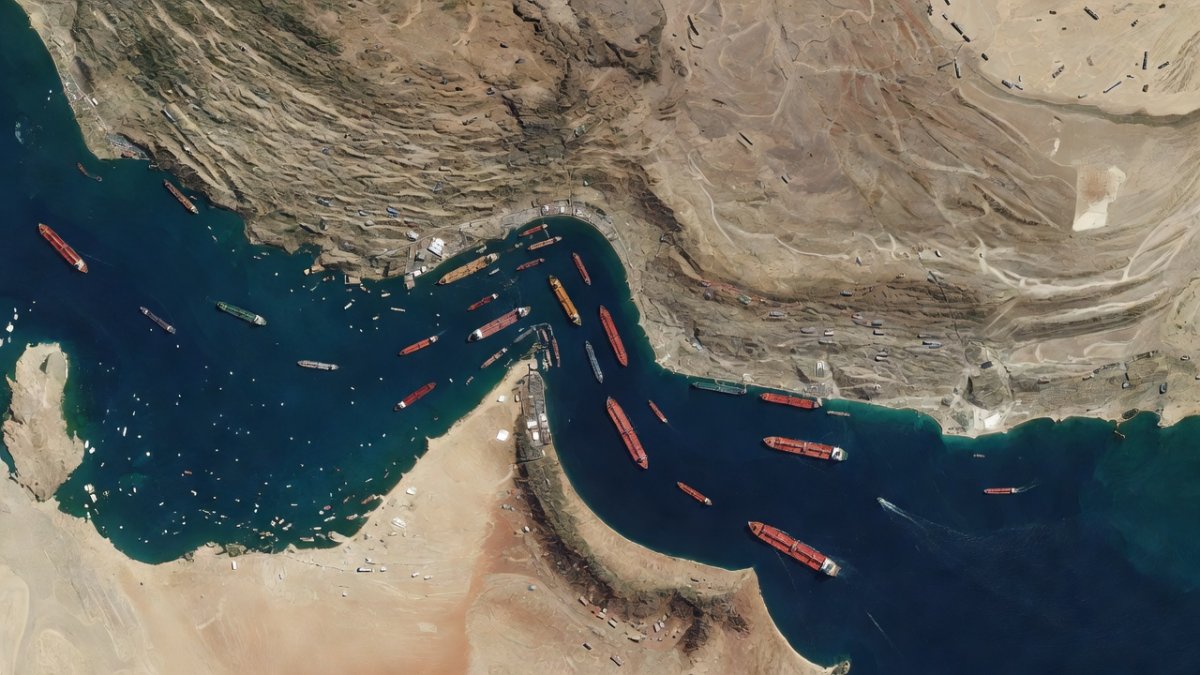
Japan depends on the Middle East for approximately 90 percent of its crude oil imports, making any disruption at the Strait of Hormuz immediately consequential. The waterway accounts for roughly 20 percent of global oil trade, positioning it as a critical artery whose blockage amplifies vulnerabilities across the entire national energy matrix. NYK Line vessels carrying related cargoes now sit idle, directly affecting scheduled refinery feedstock deliveries.
Policy responses from the Ministry of Economy, Trade and Industry have emphasized diversification strategies, yet the current impasse highlights the limits of such measures in the short term. Stockpile drawdowns remain an option, but prolonged blockage risks elevating domestic fuel prices and constraining industrial output. The stranded NYK fleet serves as a tangible indicator of how maritime chokepoints translate into energy security challenges for resource-poor economies like Japan.
Analysts note that even partial reopenings would require coordinated verification of vessel safety and cargo integrity after months of stagnation. This dependency on a single narrow passage continues to shape Japan's foreign policy calculations regarding Gulf stability.
Corporate Japan and Government Coordination
Nippon Yusen K.K.'s position within the Mitsubishi group has facilitated internal resource sharing, yet the scale of the Hormuz blockage necessitates direct engagement with Japanese ministries. Takaya Soga's public acknowledgment on June 17, 2026, signaled a deliberate pivot toward seeking governmental assistance rather than relying solely on commercial channels. This approach mirrors patterns seen in prior maritime incidents involving Japanese interests.
The transport ministry has maintained ongoing liaison with affected operators, compiling data on the 45 stranded vessels reported in April 2026. Inter-ministerial meetings involving foreign affairs and economy officials have focused on leveraging existing bilateral frameworks with Iran to secure incremental transit approvals. Corporate representatives from NYK and peer firms participate in these sessions to provide operational specifics.
Such coordination underscores the hybrid nature of modern shipping crises, where private assets intersect with national strategic interests. Mitsubishi group synergies may assist with logistics support, but ultimate resolution hinges on state-to-state negotiations that extend beyond individual company capabilities.
Broader Geopolitical Context of the Hormuz Blockade
The virtual blockade of the Strait of Hormuz reflects layered tensions involving Iranian maritime policy and international navigation rights. Japan's historical role as a neutral energy importer has allowed limited diplomatic space, evidenced by the March 2026 Iranian statement permitting Japanese transits. However, enforcement inconsistencies have prevented broader application of this concession.
U.S. involvement through the May 2026 guide effort introduces additional variables, potentially altering risk calculations for all parties. Iranian authorities continue to engage directly with Tokyo on passage options, indicating that bilateral channels remain active despite the overall impasse. The involvement of multiple governments illustrates how a single chokepoint can draw in actors far removed from the immediate region.
For Japanese stakeholders, the episode reinforces the intersection of energy routes and alliance dynamics. Sustained dialogue appears essential to prevent further escalation that could affect not only NYK Line but the wider network of vessels dependent on Hormuz access.
Impact on Japan's Supply Chain and Trade Routes
Stranded NYK Line vessels disrupt scheduled rotations that normally connect Persian Gulf ports with Japanese industrial centers. With roughly 10 ships affected, downstream effects include delayed deliveries of petrochemical feedstocks and containerized components critical to manufacturing sectors. Alternative routing around the Cape of Good Hope adds substantial time and cost, eroding competitiveness for time-sensitive cargoes.
The Japan transport ministry's April 2026 tally of 45 affected vessels provides a broader measure of exposure across the national fleet. Insurance premiums for Hormuz transits have risen sharply, prompting some operators to seek coverage adjustments or temporary lay-ups. These pressures compound existing challenges from global freight volatility.
Longer-term adaptations may involve accelerated investment in larger vessels capable of alternative routes or expanded use of pipelines and overland options where feasible. The current situation nevertheless demonstrates the fragility of just-in-time supply chains when key maritime passages become inaccessible.
Outlook for Resolution and What to Watch For
Prospects for clearing the stranded NYK Line vessels depend on continued trilateral discussions among Iran, Japan, and supporting governments. The precedent of the Mitsui LPG tanker transit in April 2026 offers a template that could be expanded if technical and political conditions align. Monitoring Iranian statements on transit permissions will provide early signals of potential movement.
Additional indicators include any follow-up actions tied to the U.S. guide initiative announced in May 2026 and updates from the Japanese transport ministry on total stranded tonnage. Corporate earnings reports from NYK and Mitsubishi affiliates may also reveal the financial toll and contingency measures under consideration.
Resolution timelines remain uncertain, yet incremental diplomatic progress could restore partial flows before the end of 2026. Observers will track whether the roughly 10 NYK vessels can join the limited number that have already exited, marking a measurable easing of the blockade's effects on Japanese maritime operations.
Tags: NYK Line, Strait of Hormuz, Persian Gulf blockade, Japanese shipping, energy security, Takaya Soga, Mitsubishi group, Japan oil imports, Hormuz blockade, NYK stranded vessels
, Japan oil imports, Hormuz blockade, NYK stranded vessels, Japan oil imports, Hormuz blockade, NYK stranded vesselsBy Kenji Tanaka, Staff Writer
By Kenji Tanaka, Staff Writer
By Kenji Tanaka, Staff Writer
This article was produced with AI-assisted research and editorial support. Reporting is based on sources cited in the article.
What's Your Reaction?
 Like
0
Like
0
 Dislike
0
Dislike
0
 Love
0
Love
0
 Funny
0
Funny
0
 Wow
0
Wow
0
 Sad
0
Sad
0
 Angry
0
Angry
0

Japan Correspondent at Global1.News. Tokyo-based voice covering Japanese politics, technology, economy, and culture. Tracks the intersection of tradition and innovation in one of the world's most dynamic societies.












Comments (0)