
Sahad Sarr's 'African West Station': A Decolonial Anthem
Senegalese musician Sahad Sarr has released a bold new album that challenges global expectations of what African music should sound like. Titled "African West Station", the project is a kaleidoscopic journey across West Africa's musical landscapes and a declaration of artistic independence from a continent determined to tell its own stories. Sahad Sarr's 'African West Station':
Senegalese musician Sahad Sarr has released a bold new album that challenges global expectations of what African music should sound like. Titled "African West Station", the project is a kaleidoscopic journey across West Africa's musical landscapes and a declaration of artistic independence from a continent determined to tell its own stories.
Sahad Sarr's 'African West Station': A Decolonial Anthem Redefining African Sound
Dakar, Senegal — Abdou Karim Sarr, known professionally as Sahad Sarr, released his album African West Station digitally on September 11, 2025 through Walboomers Music. The record draws from four years of archival research into post-independence bands across Guinea-Conakry, Mali, Nigeria, Ghana, and Senegal. It positions a fictional pirate radio station as the central frame for sounds that refuse narrow definitions of African music.
The album arrives after Sahad Sarr's earlier projects Nataal EP in 2015, Jiw in 2017, and Luuma in 2022. Those releases established his reputation in Dakar before he expanded his reach through the Stereo Africa Festival founded in 2022 and the Stereo Africa 432 label launched in 2021. African West Station marks a deliberate step toward continental conversations rather than local Mbalax alone.
Listeners encounter ten tracks that run roughly forty minutes, structured as if captured from a single broadcast. The work carries explicit political weight. Sahad Sarr calls it both a decolonial manifesto and an ode to West Africa and its revolutions. The refusal to limit the sound palette directly addresses external pressures that expect African artists to produce one recognizable type of music.
A Decolonial Radio Station Born in the Studio
The album's central concept imagines a pirate radio station called African West Station broadcasting across West Africa without permission or borders. Sahad Sarr built the project around this idea to create a sense of continuous transmission rather than isolated songs. The station format allows tracks to flow into one another as if listeners are tuning across frequencies from multiple countries at once.
Four years of archival work shaped every arrangement. Sahad Sarr studied recordings from Guinea-Conakry, Mali, Nigeria, Ghana, and Senegal, focusing on bands active between the 1960s and 1980s. Those groups used music to assert national and regional identities after independence. Their horn lines, rhythmic patterns, and lyrical themes provided the raw material for new compositions that still feel rooted in that era.
Sahad Sarr describes his overall style as kaleidoscopic. The album blends Afrobeat, Afro-jazz, Malian blues, funk, rock, and Mbalax within single tracks. This mixture mirrors the radio station concept by refusing to stay within one genre. The approach draws directly from the post-independence bands that mixed local traditions with international influences without apology.
Influences from Miles Davis, John Coltrane, and James Brown appear clearly in the horn lines and rhythmic structures. Sahad Sarr adapts these elements to Senegalese percussion and vocal phrasing. The result keeps the music grounded in Dakar while reaching toward broader West African conversations that began decades earlier.
The decolonial plea emerges most strongly in the refusal to limit the sound palette. Sahad Sarr rejects expectations that African music must sound a certain way for international markets. Instead, the album asserts full artistic control over which traditions and innovations appear together.
One key quote captures the intent: "African West Station is also a decolonial manifesto, a decolonial plea. It's a radio station that vibrates and broadcasts its waves across the whole of West Africa." Another statement reinforces the stance: "People are waiting for Africa to produce a certain type of sound. But we're saying no."
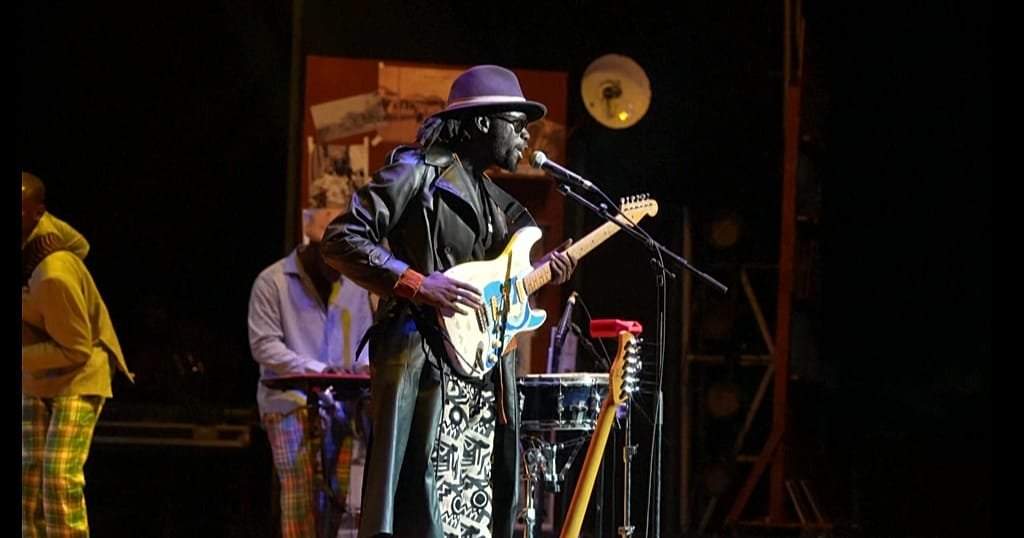
Ten Tracks Across Forty Minutes of Kaleidoscopic Sound
The album contains ten tracks that total approximately forty minutes. This compact length maintains the imagined radio broadcast format without stretching into a conventional full-length record. Every track contributes to the sense of a single station signal moving across the region.
Vultures serves as the lead single and opens with sharp Afrobeat accents. The track immediately signals the album's refusal to soften its edges for outside listeners. Funky Nation follows with James Brown-inspired grooves adapted to Senegalese percussion patterns that keep the energy high.
Ndakaaru features Khalifa Gueye and centers on the street sounds of Dakar. The track captures daily rhythms of the capital while folding them into the larger West African broadcast concept. Bussura includes philosopher and economist Felwine Sarr, linking musical ideas directly to economic thought about the region.
We Can Do and Ba ñu Faloo fuse funk and Mbalax in ways that highlight Sahad Sarr's Senegalese roots. Touché Coulé brings in Pat Kalla for a brass-driven closer that returns to the horn traditions studied during the archival research. Additional collaborators include Tie, Majnun, Alibeta, and Fehe, each adding distinct regional flavors.
The short runtime keeps the broadcast focus tight. Listeners experience the album as a continuous transmission rather than a collection of separate statements. This structure reinforces the pirate radio station idea from start to finish.
Additional tracks maintain the same commitment to variety. The arrangements never settle into one dominant style for long, mirroring the way a real radio dial might move between stations from different countries.
A Senegalese Band Leader with a Pan-African Vision
Abdou Karim Sarr leads the project from Dakar, Senegal. His full name appears on official documents while Sahad Sarr serves as the stage name familiar to audiences across West Africa. The artist has built his career by connecting local Mbalax roots with wider continental conversations.
Previous releases established his foundation. The Nataal EP arrived in 2015, followed by Jiw in 2017 and Luuma in 2022. Each project expanded his sound while remaining anchored in Dakar. African West Station represents the next stage after these three acclaimed albums.
The band SAHAD, formerly known as Sahad & The Nataal Patchwork, provides the core sound. Key members include Mildah Miambanzila on trumpet and François Keita on bass. Their contributions shape the horn lines and rhythmic drive that run through the new album.
Sahad Sarr founded the Stereo Africa Festival in 2022 to platform young West African artists. He launched the Stereo Africa 432 label in 2021 to support regional musicians who might otherwise lack distribution. These initiatives extend his work beyond his own recordings.
The artist reached the finalist stage for the Prix Découvertes RFI 2025. This recognition brought wider attention across Europe and Africa. References to Guinea-Conakry, Mali, Nigeria, and Ghana throughout the album serve the same pan-African goal of shared sonic territory.
Sahad Sarr has described the current project in direct terms: "After three acclaimed albums, I'm offering a more powerful and mature project: African West Station." The statement reflects both personal growth and a broader commitment to regional musical dialogue.
From Dakar to Bremen: Sahad Sarr's International Rise
Sahad Sarr's trajectory moved from Dakar club performances to international stages after the release of Luuma in 2022. The album opened doors that led to bookings beyond Senegal. His independent infrastructure in Dakar provided the base for this expansion.
The Stereo Africa Festival expanded his network across West Africa. Artists from multiple countries now participate in the annual event. This platform created relationships that directly influenced the collaborative spirit of African West Station.
The Prix Découvertes RFI 2025 finalist position secured European bookings. These opportunities arrived because the project demonstrated both artistic maturity and organizational independence. Sahad Sarr built his own label and festival before seeking outside validation.
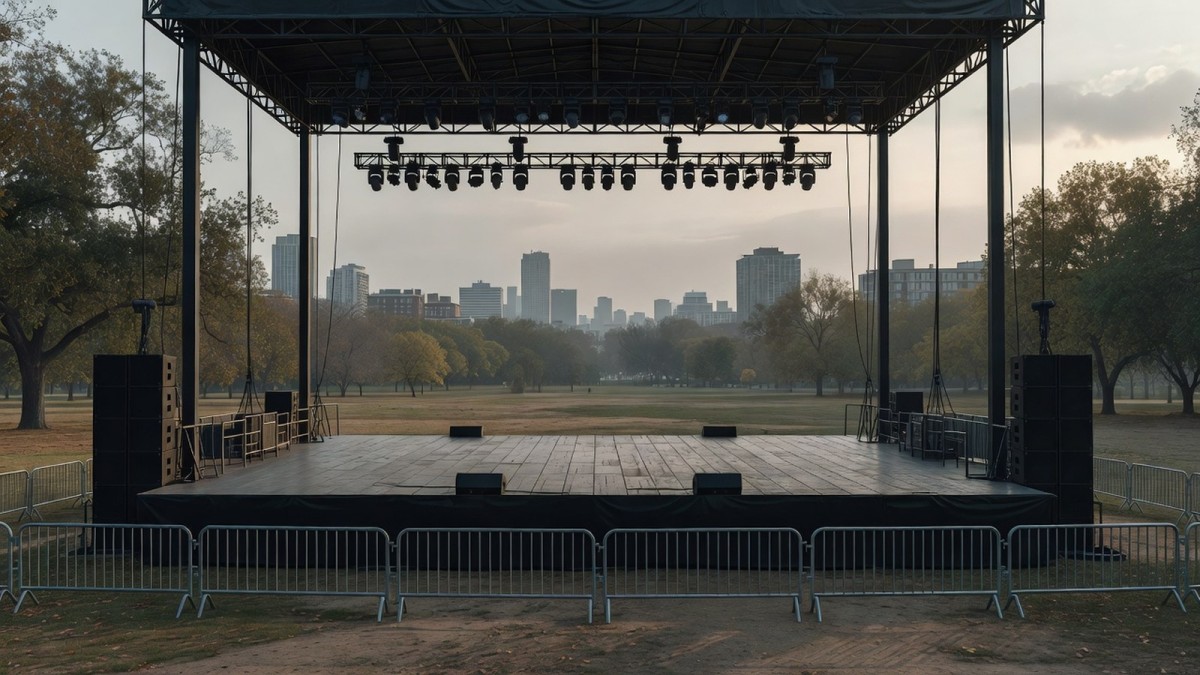
He is scheduled for Jazzahead 2026 in Bremen, Germany in April 2026. The performance will test how the kaleidoscopic sound travels in a European jazz festival setting. International listeners will encounter the same refusal to conform that defines the album.
An official presentation concert is set for January 24, 2026 at the Institut Français de Dakar. This event will serve as the local launch before the European dates. The pattern among Dakar musicians shows many building independent infrastructures first, then moving outward.
Sahad Sarr's approach mirrors other Senegalese artists who prioritize local control. The international rise follows years of work within Senegal rather than sudden external discovery.
More Than Music: Ecology, Activism and the Kamyaak Ecovillage
Sahad Sarr founded the Kamyaak Ecovillage in Tataguine, western Senegal. The project addresses climate change, rural exodus, and sustainable farming practices. Agricultural initiatives run alongside cultural programming that connects environmental work to artistic practice.
Reforestation efforts form a central part of the village activities. Workshops bring together farming techniques and creative projects. Young artists who perform at the Stereo Africa Festival sometimes participate in these programs during their visits.
The ecovillage operates year-round as both residence and laboratory. Musicians and farmers share the same space, creating direct links between land stewardship and sound creation. This model reflects a growing pattern among cultural figures in Senegal who integrate activism into their work.
Sahad Sarr maintains the dual commitment to sound and land without separating the two. The Kamyaak project provides a physical base that supports the values expressed in African West Station. Environmental practice becomes another form of decolonial assertion.
Participants learn how sustainable methods can sustain both communities and creative work. The village demonstrates that artistic independence extends beyond music into daily life choices.
The connection between the ecovillage and the album remains practical rather than symbolic. Both projects reject external definitions of what African futures should look like.
What to Watch For
The January 24 presentation at the Institut Français de Dakar will serve as a template for future live shows. Audiences can expect the full band to recreate the radio station concept on stage with the same collaborators who appear on the record.
The April 2026 performance at Jazzahead in Bremen will test how the kaleidoscopic sound registers at a major European jazz festival. European programmers will encounter the same refusal to limit the palette that defines the album.
Further releases on the Stereo Africa 432 label are anticipated. Sahad Sarr has built the infrastructure to support additional projects from regional artists who share the same vision.
The Kamyaak Ecovillage will continue to intersect with new music projects. Artists who visit the site may contribute to future recordings that extend the African West Station concept.
The core message remains consistent. African artists will determine their own sonic directions without waiting for external permission or approval.
By Amara Diop, Staff WriterThis article was produced with AI-assisted research and editorial support. Reporting is based on sources cited in the article.
What's Your Reaction?
 Like
0
Like
0
 Dislike
0
Dislike
0
 Love
0
Love
0
 Funny
0
Funny
0
 Wow
0
Wow
0
 Sad
0
Sad
0
 Angry
0
Angry
0
West Africa/Sahel Correspondent at Global1.News. Dakar-based journalist covering politics, security, climate, and development across Francophone and Anglophone West Africa. Tells the stories of a region undergoing profound transformation.













Comments (0)