
NEET UG 2026 Re-Exam Anxiety: Chandigarh Students Open Up About Mental Health Crisis Ahead of June 21 Test
With just days to go before the NEET UG 2026 re-examination on June 21, Chandigarh's medical aspirants are battling severe anxiety, sleepless nights, and emotional trauma after the original May 3 exam was cancelled due to a massive paper leak. Over 22 lakh candidates originally sat for India's most critical medical entrance test, but approximately 73,000 to 1,00,000 affected st
With just days to go before the NEET UG 2026 re-examination on June 21, Chandigarh's medical aspirants are battling severe anxiety, sleepless nights, and emotional trauma after the original May 3 exam was cancelled due to a massive paper leak. Over 22 lakh candidates originally sat for India's most critical medical entrance test, but approximately 73,000 to 1,00,000 affected students now face the daunting prospect of restarting their preparation from scratch.
NEET UG 2026 Re-Exam: Chandigarh Aspirants Speak Out About Mental Health Crisis as June 21 Test Approaches
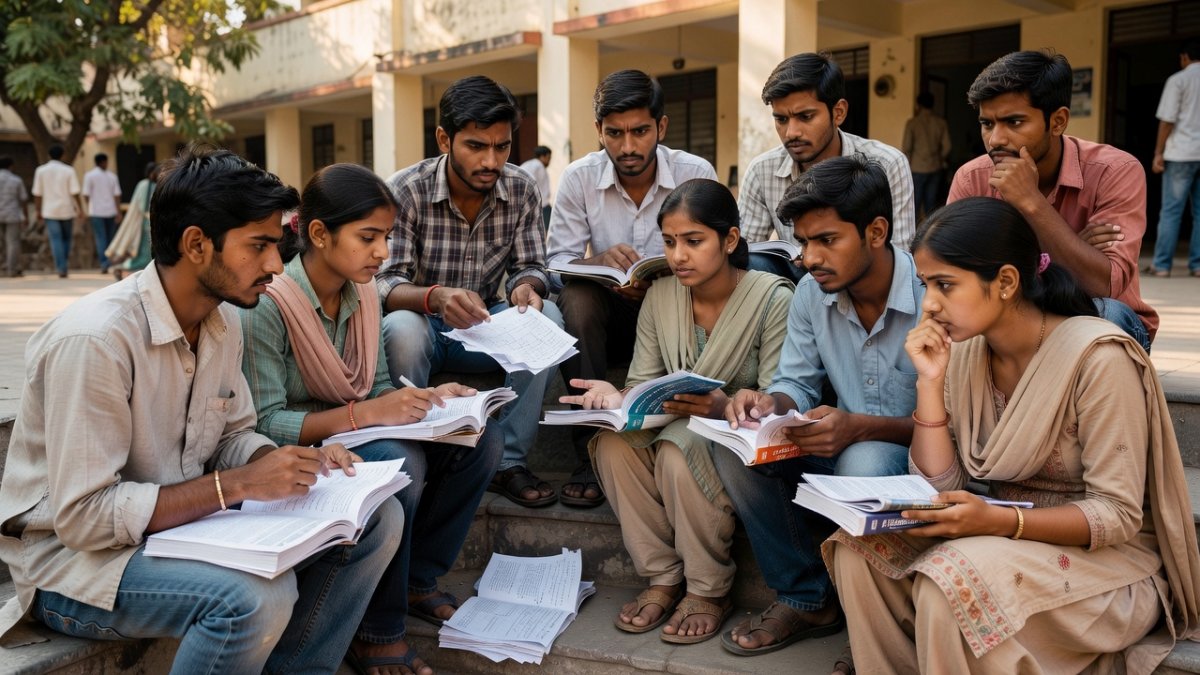
Chandigarh, UT – June 17, 2026 — The countdown to the NEET UG 2026 re-examination has transformed coaching hubs in Chandigarh into centres of quiet desperation. Four candidates who spoke with India Today — Ananya, Bhoomi, Sujaini and Dikshita — described studying 15 to 16 hours daily for months, only to have their preparation invalidated overnight when the National Testing Agency cancelled the May 3 exam amid confirmed paper leaks. The re-test, scheduled from 2:00 PM to 5:00 PM IST on June 21, represents not just a second chance but a gruelling psychological ordeal for thousands of young Indians whose dreams of medical careers hang in the balance.

Background of the NEET UG 2026 Cancellation
The NEET UG 2026 examination was originally held on May 3, 2026, drawing over 22 lakh candidates across India. Confirmed paper leaks at multiple centres forced the National Testing Agency to cancel the test mid-May. Approximately 73,000 to 1,00,000 affected candidates must now retake the exam on June 21, 2026, between 2:00 PM and 5:00 PM IST.
The Central Bureau of Investigation continues its probe into the leaks while the NTA implements stricter protocols. This sudden reversal has disrupted preparation cycles for thousands of students who had already invested months of rigorous study. The episode highlights recurring vulnerabilities in India's high-stakes national entrance examinations.
Chandigarh, home to several coaching hubs, has emerged as a focal point of student distress. Families in sectors such as 15, 17 and 22 report heightened tension as the re-test date approaches. The episode has also prompted wider questions about the reliability of systems meant to safeguard medical admissions.
Chandigarh Students Describe Daily Preparation Pressures
Four Chandigarh candidates — Ananya, Bhoomi, Sujaini and Dikshita — recounted studying 15 to 16 hours daily before learning they must restart preparation. Their accounts, shared with India Today, reveal how months of targeted revision were rendered irrelevant overnight. Each student now balances syllabus review with managing acute anxiety symptoms.
These aspirants aimed for seats in premier institutions including AIIMS and government medical colleges in Punjab and Haryana. Limited MBBS seats nationwide intensify competition, turning every lost study hour into a perceived setback. Parents in Chandigarh have rearranged work schedules to provide emotional support during the final weeks.
The re-test timing from 2:00 PM to 5:00 PM requires candidates to adjust sleep patterns and peak cognitive performance accordingly. Local coaching centres have extended evening doubt-clearing sessions to accommodate this shift. Such adjustments add logistical strain on students already operating under tight timelines.
Mental Health Impact on Affected Aspirants
Students report frequent panic attacks, prolonged sleeplessness and sudden emotional breakdowns in the weeks leading to June 21. The abrupt need to re-prepare after believing they had completed the syllabus has triggered widespread psychological fatigue. Mental health counsellors in Chandigarh note a sharp rise in walk-in consultations from NEET aspirants.
These symptoms carry long-term implications for concentration and retention during the actual re-examination. Sleepless nights reduce the effectiveness of last-minute revision, creating a vicious cycle of worry and underperformance. Families worry that untreated anxiety could affect performance on the single high-stakes day.
India's education system offers limited structured mental health support for competitive exam candidates. Chandigarh's government schools and coaching institutes lack dedicated counsellors equipped for examination-related trauma. This gap leaves many students navigating severe stress without professional intervention.
Security Enhancements and Logistical Deployments
The NTA has introduced multi-layered security including deployment of IAF Mi-17 helicopters and C-17 Globemasters for secure question paper delivery. Telegram remains temporarily banned across India from June 17 to June 22 to curb potential leaks. These measures aim to restore credibility but have also created an atmosphere of heightened surveillance.
While enhanced protocols may deter malpractice, they simultaneously signal to students that previous "foolproof" assurances proved inadequate. Candidates must now navigate additional identity checks and centre restrictions on the re-test day. Such procedures can increase pre-exam nervousness among already anxious aspirants.
Chandigarh's designated centres have received extra police deployment and CCTV upgrades. Local authorities coordinate with NTA officials to ensure smooth conduct. These visible arrangements underscore the scale of institutional response required after the original breach.
Political Criticism and Parliamentary Oversight
Telangana BJP chief K. Annamalai publicly criticised the security arrangements, arguing they place additional psychological pressure on students. His remarks reflect growing political concern over how examination integrity measures intersect with student welfare. Opposition parties have demanded accountability from the Ministry of Health and the NTA.
A parliamentary panel on health is scheduled to question officials from the Ministry of Health, NTA and National Medical Commission. The session will examine systemic lapses that allowed leaks despite repeated assurances of robust safeguards. Findings from this review could influence future examination policies.
These political developments occur against the backdrop of India's competitive medical education landscape where NEET serves as the sole gateway to limited government seats. Any perception of unfairness erodes public trust in institutions responsible for shaping the nation's future doctors.
Financial Fraud Cases Linked to the Crisis
Over 1,500 students have allegedly been duped of Rs 1.5 crore in NEET-related scams during the uncertainty period. Fraudsters exploited confusion surrounding the re-test by promising leaked papers or guaranteed seats. Many victims hail from middle-income families in smaller cities who borrowed money for these fraudulent services.
Chandigarh police have registered complaints against several unauthorised agents operating near coaching hubs. The CBI probe into paper leaks now runs parallel to investigations into these financial crimes. Victims face both emotional trauma and significant monetary loss with little immediate recourse.
Such scams reveal regulatory gaps in monitoring coaching centres and online platforms that target vulnerable aspirants. Strengthened oversight mechanisms are essential to protect families investing life savings in medical education dreams.
Implications for India's Medical Education Framework
NEET remains the critical filter determining entry into AIIMS, JIPMER and state government medical colleges with roughly 1 lakh MBBS seats nationwide. Disruptions therefore carry consequences for healthcare workforce planning across states including Punjab, Haryana and Himachal Pradesh. Delayed admissions can shift academic calendars and internship schedules by several months.
Loss of trust in NTA processes affects not only current candidates but also future aspirants considering medicine as a career. Parents increasingly question whether the examination system can deliver merit-based outcomes consistently. This scepticism may influence long-term enrolment trends in science streams at the higher secondary level.
Policy discussions now focus on technological upgrades, decentralised testing models and independent oversight bodies. Reforms under consideration include real-time paper encryption and AI-based anomaly detection during examinations. Successful implementation could restore confidence among students and families.
The Bottom Line
The June 21 re-examination will test not only subject knowledge but also the resilience of an entire generation of aspiring doctors. Restoring confidence in the process requires more than helicopters and app bans — it demands structural reforms that prioritise student well-being alongside exam integrity. For India's medical education system to thrive, it must first earn back the trust of the very students it exists to serve.
— By Dr. Raj Patel, Staff WriterThis article was produced with AI-assisted research and editorial support. Reporting is based on sources cited in the article.
What's Your Reaction?
 Like
0
Like
0
 Dislike
0
Dislike
0
 Love
0
Love
0
 Funny
0
Funny
0
 Wow
0
Wow
0
 Sad
0
Sad
0
 Angry
0
Angry
0

India/South Asia Correspondent at Global1.News. Analytical voice with a background in science and health journalism. Based in New Delhi, covering Indian politics, education, healthcare, technology, and policy. Breaks down complex data into clear, actionable reporting.














Comments (0)