
Marcos Files Charges vs Cousin Romualdez in Flood Scandal
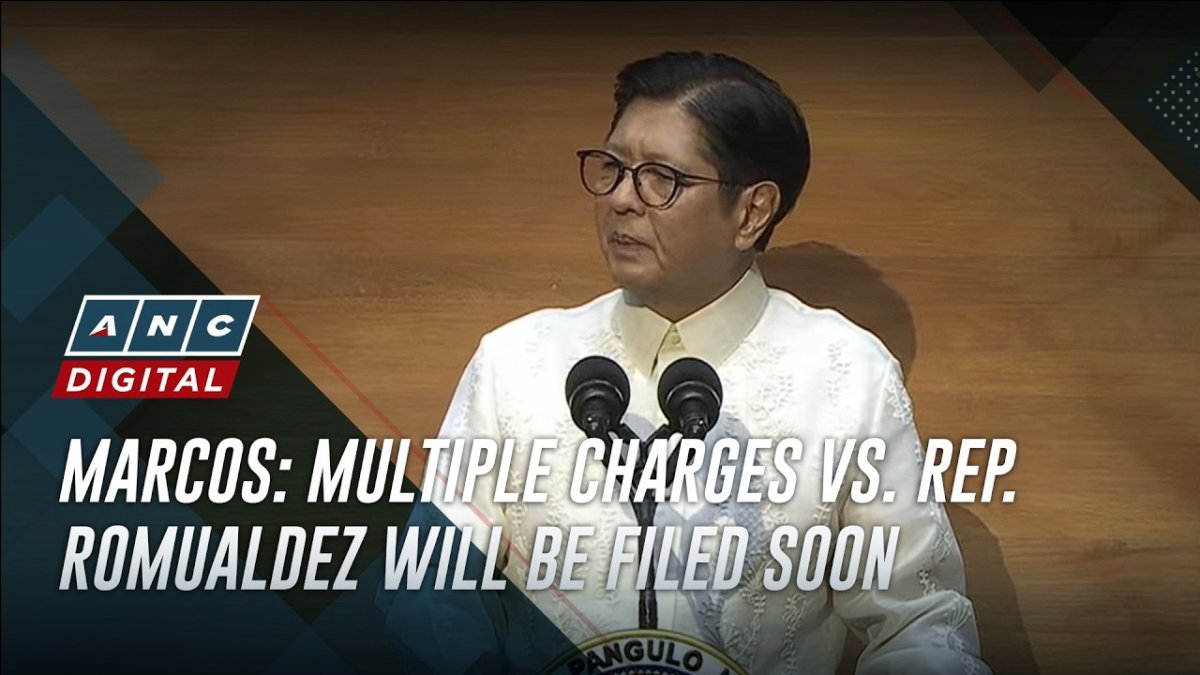
In a recent ANC 24/7 report covering the fifth State of the Nation Address, President Ferdinand Marcos Jr. stood before the House of Representatives in Manila on Monday, July 27, 2026, and placed his own cousin at the center of the flood control corruption scandal that has drained billions of pesos.
In a recent ANC 24/7 report covering the fifth State of the Nation Address, President Ferdinand Marcos Jr. stood before the House of Representatives in Manila on Monday, July 27, 2026, and placed his own cousin at the center of the flood control corruption scandal that has drained billions of pesos meant for communities across the country.
The SONA Announcement That Shook the House
President Marcos opened his address by directly naming the former House Speaker. He told lawmakers that the Ombudsman would file patong-patong na kaso against his cousin, Martin Romualdez. The President said the move was necessary even though it caused him personal pain.
“Hindi ako pangulo ng aking pamilya, hindi ako pangulo ng aking kaibigan. Ako ay pangulo ng Pilipinas, at ang tungkulin ko ay sa inyo, ang aking kapwa Pilipino,” Marcos stated. He followed with, “Masakit man sa akin ito, pero kailangan natin itong gawin.”
The words landed in a chamber where Romualdez had once held the Speaker’s gavel until mid-2026. Lawmakers and staff watched as the President drew a clear line between family ties and public duty.
How the Scandal Began in 2025 and Grew
During his 2025 SONA, Marcos first told those involved in the flood control projects to “have some shame.” The warning came after reports surfaced that funds allocated for dikes, drainage, and pumping stations in flood-prone provinces had been diverted. The Department of Public Works and Highways became the focus of an Ombudsman investigation that expanded through 2026.
By this week, the probe had already produced charges against Sen. Jinggoy Estrada, former Sen. Ramon “Bong” Revilla Jr., and former DPWH Secretary Manuel Bonoan, who is now cooperating as a state witness. Assistant Ombudsman Mico Clavano described Romualdez as the central figure in a scheme built on the diversion of public funds meant for flood control projects.
The expected charges include plunder and violation of the Anti-Money Laundering Act. Also linked in the investigation are resigned Ako Bicol party-list Rep. Zaldy Co and contractors Curlee and Sarah Discaya.
Romualdez Responds and Maintains Innocence
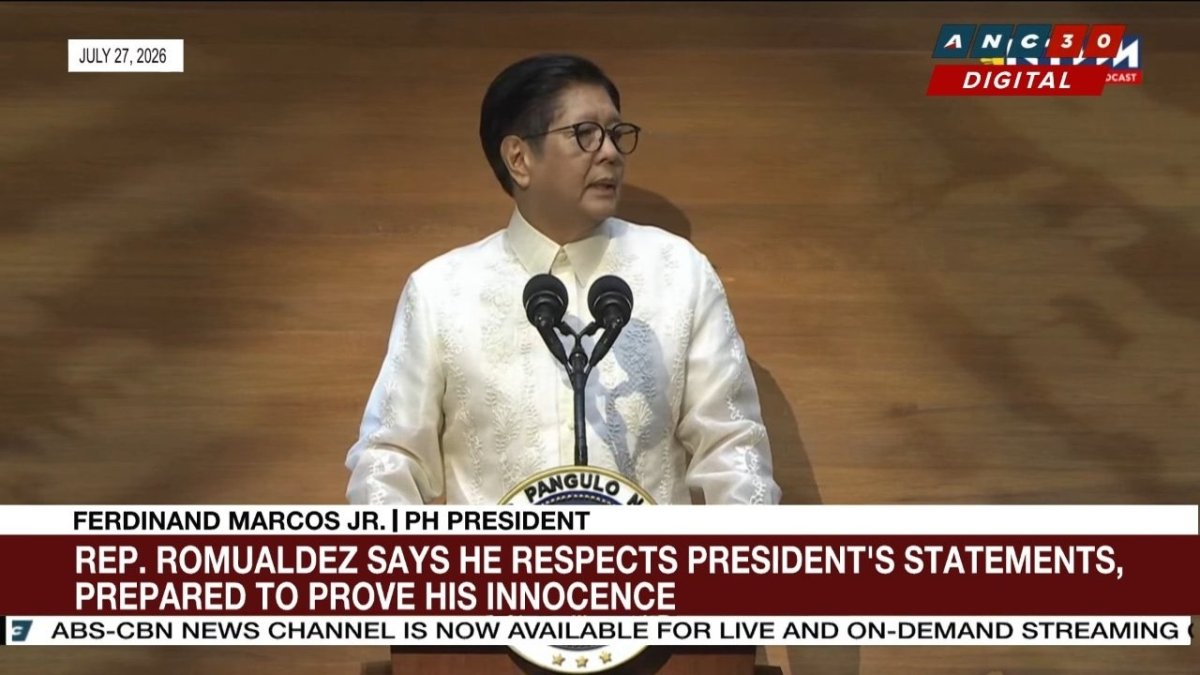
Former Speaker Romualdez issued a statement hours after the SONA. “Masakit man ito sa aming pamilya, iginagalang ko ang naging pahayag ng Pangulo. Hindi ako kailanman humingi ng pabor o espesyal na pagtrato,” he said. He added that he is ready to prove his innocence in court and maintains he did nothing wrong.
Romualdez, the President’s first cousin, had served as a key ally in the House until his resignation earlier this year. His response avoided direct criticism of Marcos while signaling he will fight the charges.
How the Scandal Affects Families and Communities
Residents in flood-prone barangays from Cagayan Valley to Mindanao have waited years for completed drainage systems and reinforced river walls. When funds disappear, monsoon rains turn streets into rivers and destroy crops in provinces such as Isabela and Leyte. Families lose homes, students miss classes, and small vendors at sari-sari stores lose daily income.
OFWs who send remittances to rebuild after past floods now question whether their contributions will again be lost to corruption. The scandal reaches beyond Manila and touches the daily safety of jeepney drivers navigating flooded roads in Quezon City and farmers protecting livestock in Davao del Sur.
President Marcos’s decision to let the Ombudsman proceed signals that no position, even within the family, shields anyone from accountability. For many households, this is the first time a sitting president has moved against a close relative in a major graft case.
In barangays across Cagayan Valley and Leyte, ordinary families like those in Tuguegarao City and Palo still wade through knee-deep floodwaters every monsoon season because promised DPWH drainage systems and river walls never materialized. Typhoon Carina in 2024 alone caused PHP 12.4 billion in damages nationwide, with Isabela province reporting 8,500 hectares of rice crops lost and 2,300 homes destroyed, according to the National Disaster Risk Reduction and Management Council. When billions meant for flood control projects were siphoned off, residents in these areas bore the brunt, losing daily income from sari-sari stores and missing school days as children helped clear debris.
Communities have long relied on the bayanihan spirit to survive, with neighbors forming human chains to pass sandbags during Typhoon Egay in 2023 that inundated 14 barangays in Davao del Sur. Yet the DPWH's role in awarding contracts worth PHP 47 billion for pumping stations and dikes has left many projects incomplete, forcing jeepney drivers in Quezon City to reroute around flooded roads and OFWs in Hong Kong to send extra remittances just to repair homes. These everyday Filipinos now question if accountability will finally reach their streets after years of waiting for real protection from the rains.
Political Reactions and the 2028 Horizon
Sen. Imee Marcos called her brother’s pronouncements “nothing but deception.” The public split inside the Marcos family adds another layer to the already tense pre-election period. Analysts note that the case could reshape alliances ahead of the 2028 presidential race, especially among House members who once aligned with Romualdez.
COMELEC officials have not yet commented on possible effects on party-list accreditation or candidate filings. Political observers in Baguio and Cebu say the scandal may push voters to demand clearer separation between family businesses and public infrastructure projects.
Senators like Risa Hontiveros of the opposition quickly praised the move as a step toward restoring public trust, while House members from the Makabayan bloc called for full transparency in all remaining flood control allocations. Civil society groups such as the Transparency and Accountability Network issued statements urging the Ombudsman to fast-track cases, noting that ordinary voters in provinces like Leyte feel betrayed by leaders who once promised infrastructure during campaign sorties. These reactions highlight a growing divide in Congress, where allies of the former Speaker are quietly shifting support ahead of the 2028 presidential race.
The scandal is already reshaping the political landscape for the 2025 midterm elections, with analysts predicting realignment in the House as members distance themselves from Romualdez-linked blocs to appeal to voters weary of corruption. In rural communities, farmers and small vendors discuss how this could influence local candidates who campaign on flood resilience, turning family loyalty into a liability at the ballot box. For many ordinary Filipinos, the unfolding drama signals that political dynasties may face real tests in upcoming polls.
Historical Context of Dynasties and Public Funds
Political dynasties have long influenced how infrastructure budgets are allocated in the Philippines. The current case follows a pattern seen in past administrations where relatives held key posts in Congress or the executive branch. The Supreme Court has previously ruled on issues of conflict of interest, yet enforcement remains uneven.
By naming his cousin in the SONA, Marcos broke from the usual practice of shielding family members until after elections. The move tests whether the justice system can handle high-profile cases without political interference.
What Comes Next for Accountability
The Ombudsman is expected to file the charges in the coming weeks. Court proceedings will determine whether the evidence meets the threshold for plunder, which carries the penalty of life imprisonment. Former officials already detained, including Estrada and Revilla, may see their cases move in parallel.
Communities that suffered repeated flooding now watch whether recovered funds will be redirected to actual projects. Barangay leaders in affected areas say they will track releases from the DBM to ensure money reaches the ground rather than returning to the same contractors named in the scandal.
Marcos’s statement that his duty is to the Filipino people, not to family or friends, sets a public standard. Whether that standard holds through the court process will shape how citizens view the remaining years of his term and the choices they face in 2028.
The legal process for plunder cases under Republic Act 7080 begins with the Ombudsman filing charges before the Sandiganbayan, where preliminary investigation can take six to twelve months before trial starts, as seen in past graft proceedings. The Ombudsman's office has secured convictions in only 28 percent of high-profile cases from 2016 to 2024, according to its annual report, raising questions among ordinary citizens about whether this case will move faster than previous ones. Comparisons to the PDAF scam involving Janet Napoles show how such trials dragged on for years, with some accused still appealing convictions in the Supreme Court.
Secretary of Justice Jesus Crispin Remulla has indicated the DOJ will assist in evidence gathering, potentially involving the Anti-Money Laundering Council to trace diverted funds. For families in flood-hit areas, the timeline could stretch into 2028 before any restitution reaches affected barangays, yet many hold hope that this marks a break from the impunity that allowed earlier scandals to fade without full recovery of lost public money. The focus remains on ensuring justice serves everyday Filipinos who lost homes and livelihoods to the corruption. By Bella Reyes, Staff Writer
This article was produced with AI-assisted research and editorial support. Reporting is based on sources cited in the article.
What's Your Reaction?
 Like
0
Like
0
 Dislike
0
Dislike
0
 Love
0
Love
0
 Funny
0
Funny
0
 Wow
0
Wow
0
 Sad
0
Sad
0
 Angry
0
Angry
0

Philippines/Southeast Asia Correspondent at Global1.News. Manila-based journalist covering Philippine politics, environment, maritime security, and social issues. Passionate about marine conservation and the communities protecting the Philippines' natural heritage.














Comments (0)