
Meta's Subscription Model and India's Net Neutrality Review
Meta's decision to introduce tiered paid subscriptions across its flagship platforms coincides with heightened regulatory scrutiny in India, where a parliamentary panel is examining potential threats to net neutrality principles. Announced between May 27 and 28, 2026, the subscriptions for WhatsApp Plus, Instagram Plus, and Facebook Plus mark a strategic pivot for the company a
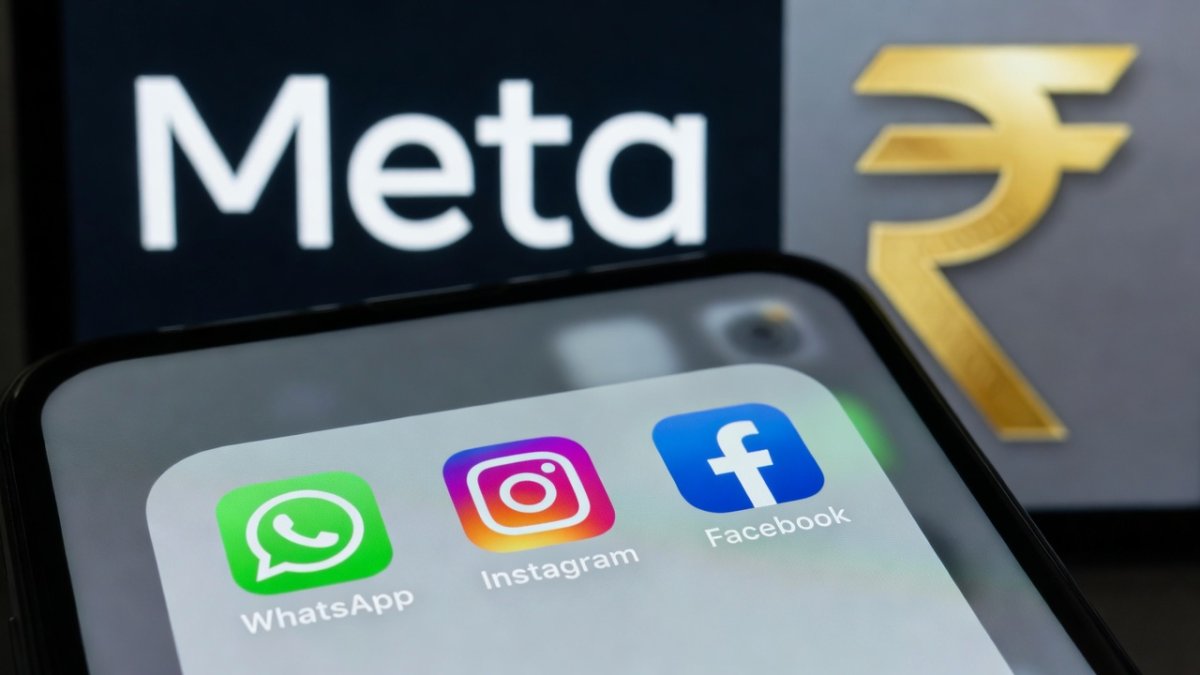
Meta's decision to introduce tiered paid subscriptions across its flagship platforms coincides with heightened regulatory scrutiny in India, where a parliamentary panel is examining potential threats to net neutrality principles. Announced between May 27 and 28, 2026, the subscriptions for WhatsApp Plus, Instagram Plus, and Facebook Plus mark a strategic pivot for the company amid its projected $125 billion to $145 billion investment in AI infrastructure for 2026. With India hosting over 500 million WhatsApp users, the move raises critical questions about equitable access in one of the world's largest digital markets, even as free versions remain available.
(Global 1 News)
Meta's Subscription Offerings and Pricing Structure
Meta Head of Product Naomi Gleit unveiled the new tiers through an Instagram video, positioning them separately from the existing Meta Verified authentication service. WhatsApp Plus launches at Rs 79 per month in India following a one-month free trial, bundling features such as exclusive stickers, custom app icons, themes, ringtones, and additional chat pins. In contrast, Instagram Plus and Facebook Plus carry a monthly price of $3.99, translating to approximately Rs 340-400 in the Indian market, and include advanced analytics, story rewatch statistics, customization options, and tools for wider audience reach. These offerings fall under planned expansions that encompass creator, business, and Meta AI plans branded as Meta One. The company has emphasized that core functionalities will persist without charge, mirroring its 2023 approach in Europe where ad-free paid versions were introduced to align with EU regulatory requirements. Meta's stock responded positively, climbing nearly 3 percent on the announcement.
Parliamentary Committee Examination of Net Neutrality
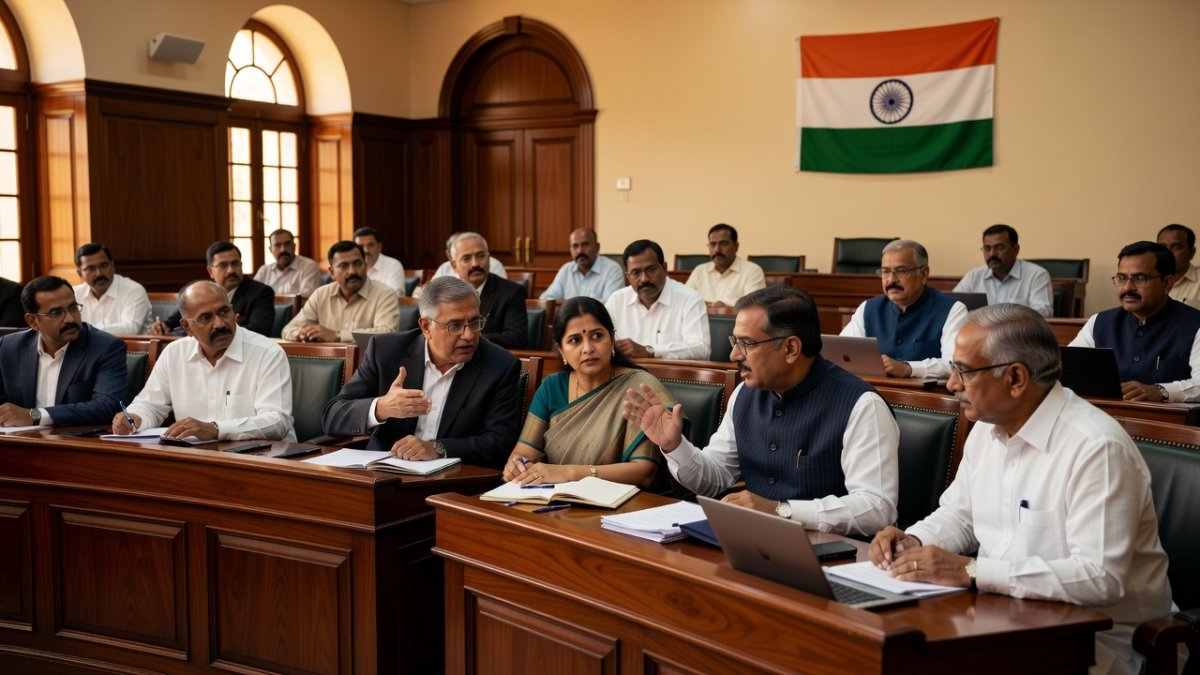
The Parliamentary Standing Committee on Communications and IT, chaired by BJP MP Nishikant Dubey, convened on May 26, 2026, to assess net neutrality, service quality, and consumer safeguards. The panel intends to summon representatives from Meta Platforms, X, Google, and Amazon to evaluate whether paid tiers create preferential treatment for subscribers. Discussions have centered on network slicing practices recently introduced by private telecom operators for post-paid customers, a development that could disadvantage the majority of Indian users who rely on prepaid connections. The Telecom Regulatory Authority of India (TRAI) provided an initial briefing and is expected to furnish additional data. Committee members plan two to three further sessions before finalizing their observations and recommendations.
(Global 1 News)
Consumer Impact on India's Digital User Base
With more than 500 million active WhatsApp accounts, India represents Meta's largest single market, where even modest pricing at Rs 79 monthly could influence adoption patterns among price-sensitive demographics. Data from TRAI indicates that prepaid subscribers constitute over 95 percent of the mobile user base, amplifying concerns that enhanced features tied to payments may segment the user experience along economic lines. Policymakers note that such differentiation risks undermining the principle of equal access that has driven India's digital inclusion efforts, particularly in rural areas where average monthly data expenditure remains below Rs 200 for many households. The availability of free tiers mitigates immediate exclusion, yet analytics and customization tools reserved for paid users could widen disparities in content visibility for creators and small businesses operating on tight margins.
Regulatory Frameworks and Policy Implications
India's net neutrality guidelines, enforced through TRAI directives since 2018, prohibit discriminatory treatment of internet traffic. The committee's review will test whether Meta's subscription model intersects with telecom-level network slicing to produce de facto prioritization. Historical precedents, including the 2020 deliberations on differential pricing, suggest that any perceived violation could prompt stricter oversight or revised licensing conditions for over-the-top platforms. Meta's substantial AI infrastructure outlay of up to $145 billion globally may indirectly pressure Indian regulators to balance innovation incentives against consumer protection mandates. Should the panel recommend legislative updates, amendments to the Information Technology Act or new data governance rules could follow within the next parliamentary session.
Economic Ramifications for India's Digital Economy
The subscription strategy arrives as India's digital economy is projected to reach $1 trillion by 2028, with social media platforms contributing significantly to e-commerce, digital advertising, and creator revenues. Paid tiers offering advanced analytics may accelerate professionalization among the estimated 10 million content creators active on Instagram and Facebook in India, potentially boosting formalization of the creator economy valued at over Rs 25,000 crore annually. However, analysts caution that higher entry barriers for premium reach could concentrate visibility among better-resourced users, affecting market competition. Telecom operators may also recalibrate data plans in response, given that enhanced app features typically increase data consumption by 15-20 percent according to industry estimates. This interplay could generate additional revenue streams while challenging TRAI's mandate to maintain affordable connectivity.
Long-Term Outlook for Platform Governance
Looking ahead, the convergence of Meta's monetization push and parliamentary oversight underscores evolving tensions between global technology firms and sovereign digital policies. India's experience may inform similar reviews in other emerging markets where user bases exceed hundreds of millions. Sustained monitoring of subscription uptake—particularly whether Rs 79 pricing achieves meaningful penetration beyond urban centers—will provide empirical data for evidence-based regulation. The committee's forthcoming report, expected after additional hearings, could establish benchmarks for transparency in feature differentiation, ensuring that India's commitment to an open internet remains intact amid rapid technological advancement.
— By Dr. Raj Patel, Staff WriterThis article was produced with AI-assisted research and editorial support. Reporting is based on sources cited in the article.
What's Your Reaction?
 Like
0
Like
0
 Dislike
0
Dislike
0
 Love
0
Love
0
 Funny
0
Funny
0
 Wow
0
Wow
0
 Sad
0
Sad
0
 Angry
0
Angry
0

Caribbean Correspondent at Global1.News. Based in Port of Spain, Trinidad, covering Caribbean politics, economy, energy, climate, and culture. Amplifying the voices and stories of the Caribbean region.















Comments (0)