
Venezuela signs deal with US energy giant to rebuild power grid
The Agreement with General Electric Venezuela's interim president Delcy Rodríguez announced the signing of an agreement with General Electric Vernova on Monday during a televised event at the presidential palace. The deal aims to rebuild the country's electricity grid through technical expertise and investment from the US energy company. Rodríguez described the pact as a histor
The Agreement with General Electric
Venezuela's interim president Delcy Rodríguez announced the signing of an agreement with General Electric Vernova on Monday during a televised event at the presidential palace. The deal aims to rebuild the country's electricity grid through technical expertise and investment from the US energy company. Rodríguez described the pact as a historic step that would help restore an essential service for millions of Venezuelans facing prolonged blackouts.
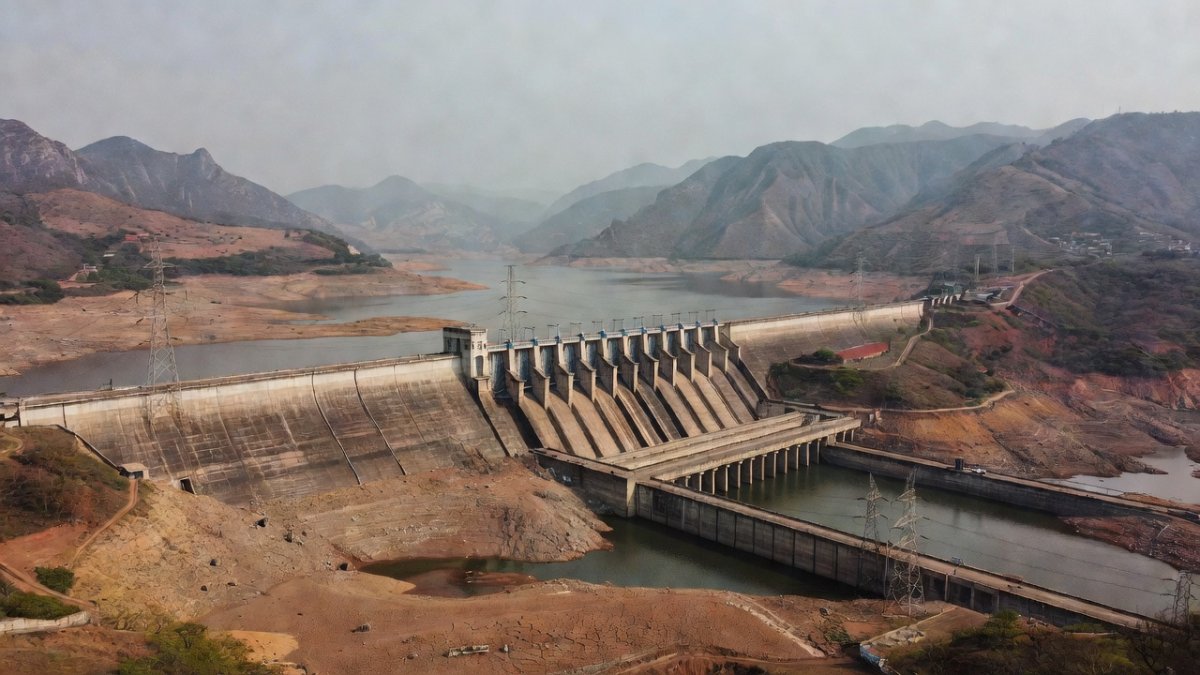
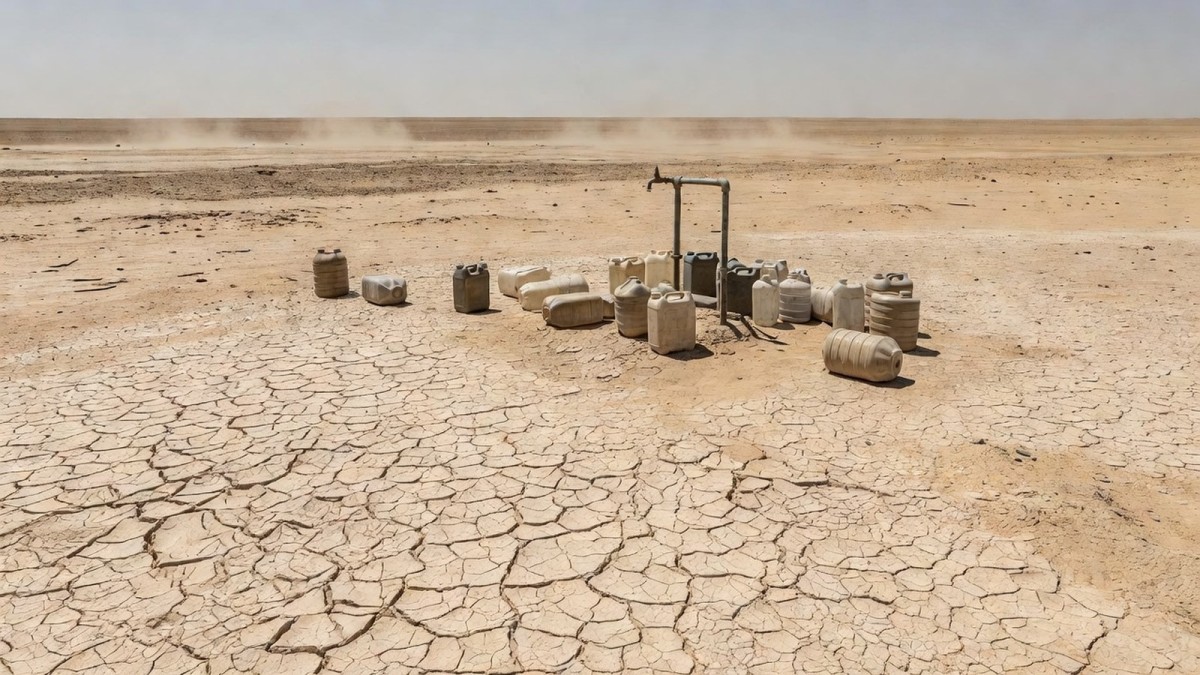
The Guri hydroelectric dam remains Venezuela's primary source of electricity, but years of deferred maintenance and recurring drought have severely reduced its reliability. (Global 1 News)
The agreement comes under the direction of Energy Minister Rolando Alcalá, who was appointed three months ago. Alcalá, an electrical engineer by training, brings a technical background to the role previously held by military officials for six years. This change signals a deliberate pivot toward professional management of the energy sector.
General Electric Vernova will focus on repairing transmission lines, substations, and generation facilities that have deteriorated over more than a decade. The partnership reflects Rodríguez's broader effort to attract foreign capital after years of isolation under the previous administration.
Officials expect the collaboration to begin with assessments of critical infrastructure within weeks. Early priorities include stabilizing supply to major urban centers where outages have repeatedly disrupted daily life and economic activity.
Venezuela's Long-Standing Energy Crisis
Venezuela's power system has suffered chronic failures since its nationalization in 2007 under Hugo Chávez. Lack of maintenance and insufficient investment left the grid vulnerable to both technical breakdowns and external pressures such as drought. Frequent power cuts lasting ten hours or more have become routine in cities including Caracas.
Analysts have consistently identified underinvestment and rising consumption as core drivers of the crisis rather than weather alone. The collapse of reliable electricity has hindered industrial recovery and complicated efforts to stabilize the broader economy. Hospitals, schools, and small businesses have all borne the consequences of unpredictable supply.
The interim government now seeks to reverse this trajectory by reopening channels to international technology providers. Rodríguez has emphasized that restoring electricity is foundational to any meaningful economic rebound in the South American nation.
Residents in affected regions report adapting daily routines around scheduled blackouts, though many outages occur without warning. This instability has contributed to migration pressures as families seek more predictable living conditions elsewhere.
Role of the Guri Hydroelectric Dam and Drought Impacts
The Guri hydroelectric dam remains Venezuela's primary source of electricity, yet years of deferred maintenance have reduced its reliability. During periods of drought, water levels drop sharply, cutting generation capacity and forcing reliance on backup thermal plants that are themselves in poor condition. The Maduro government frequently attributed outages solely to low rainfall, but experts point to deeper structural problems.
Climate variability has intensified pressure on the dam in recent years, mirroring challenges faced by other hydropower-dependent nations. Prolonged dry spells reduce reservoir storage and limit output precisely when demand peaks. Without diversified generation sources, the system remains exposed to recurring shortfalls.
Rebuilding efforts under the new agreement will need to address both immediate repairs at Guri and longer-term resilience measures. These include upgrading turbines and improving water management protocols to better withstand future drought cycles linked to shifting climate patterns.
Local communities downstream from the dam have also felt the effects through fluctuating water availability for agriculture and household use. Integrated planning that considers both energy and water security will be essential for sustainable outcomes.
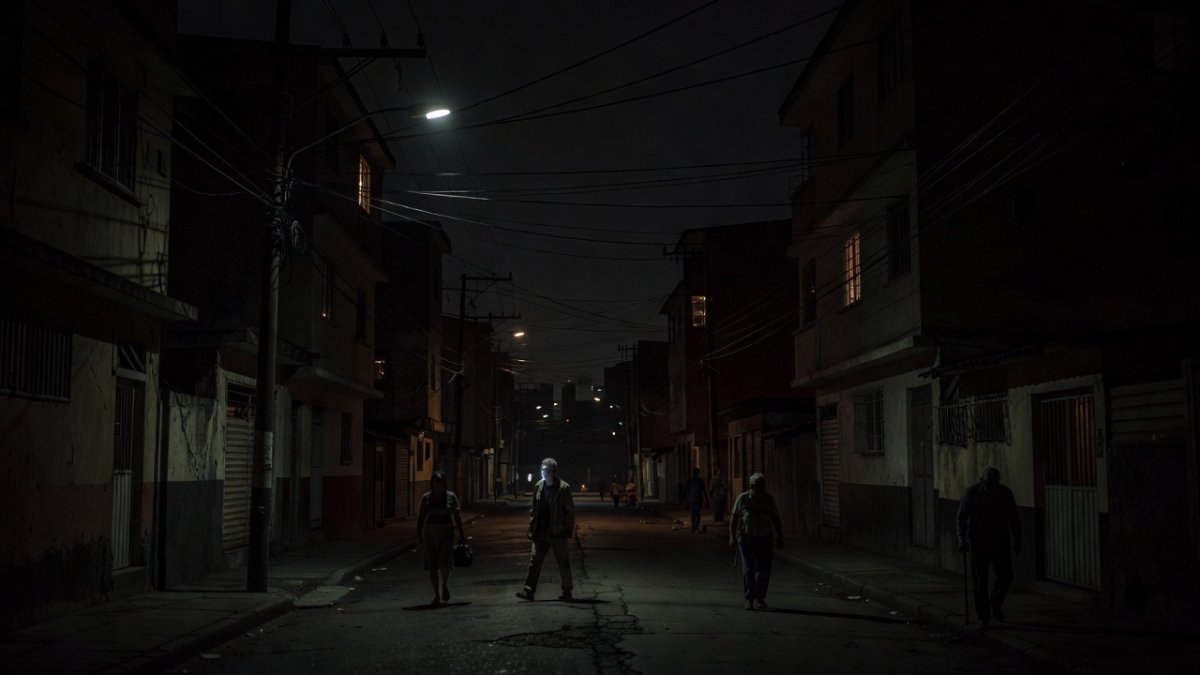
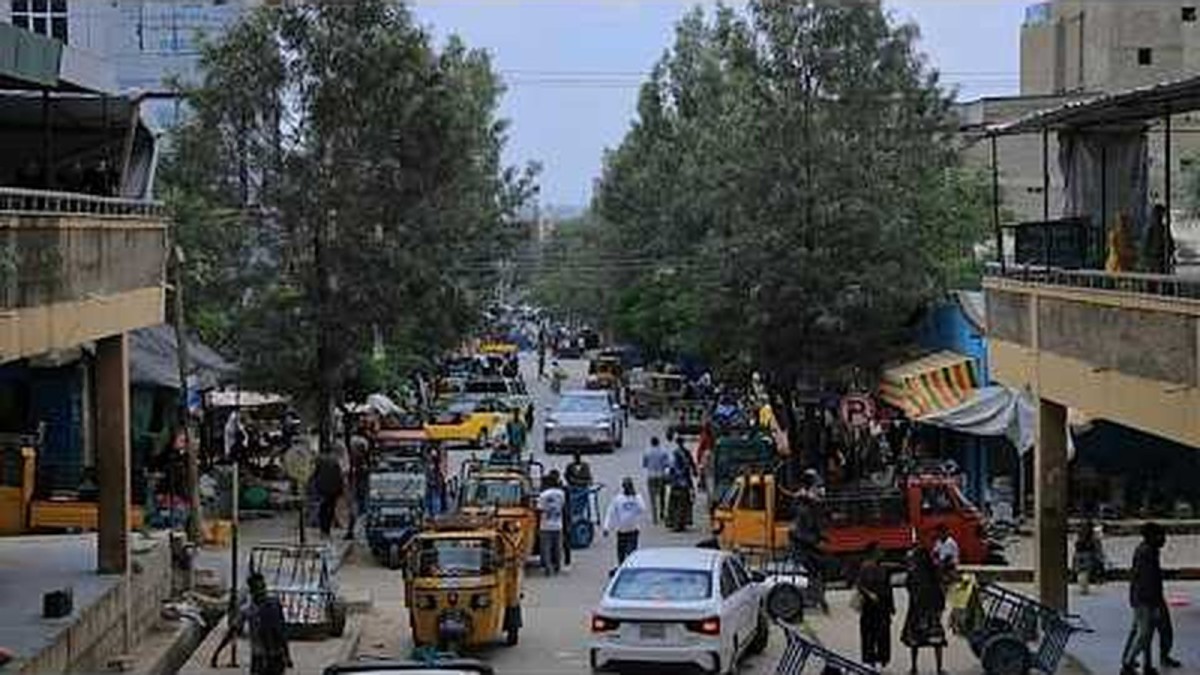
Frequent power cuts lasting ten hours or longer have become routine across Venezuela's major cities, including the capital Caracas. (Global 1 News)
Shift in Leadership at the Energy Ministry
Rolando Alcalá's appointment marked a departure from the military-led approach that dominated the Energy Ministry for six years. His engineering expertise is viewed by supporters as better suited to diagnosing and fixing complex grid issues. The interim administration has presented this personnel change as evidence of a more pragmatic governance style.
Previous military oversight failed to deliver meaningful improvements despite repeated promises of investment. Grid performance continued to decline, with losses from inefficient transmission remaining high. Alcalá's mandate includes coordinating with foreign partners to introduce modern diagnostic and repair techniques.
Early actions under his leadership have centered on mapping priority intervention zones and establishing timelines for equipment upgrades. The ministry has also begun outreach to technical specialists who left Venezuela during the years of crisis.
Observers note that while leadership has changed, many mid-level operational structures still carry legacies from the prior period. Effective implementation will require sustained political backing and transparent procurement processes.
Parallels with Brazil's Hydropower Dependence
Brazil and Venezuela both rely heavily on hydroelectric generation, making them vulnerable to the same climate-related risks. Brazil's extensive dam network has experienced similar stresses during drought years, prompting investments in wind, solar, and transmission interconnections to diversify supply. Venezuela's current predicament offers a cautionary example of what can occur when maintenance is neglected over extended periods.
In Brazil, agencies such as the National Electric System Operator have developed sophisticated models to forecast reservoir levels and coordinate across regions. These tools help mitigate the impact of variable rainfall on national supply. Venezuelan authorities could draw on such regional experience as they rebuild planning capacity.
The GE partnership may facilitate technology transfer that strengthens Venezuela's ability to manage hydro resources more effectively. Improved forecasting and grid flexibility would reduce the severity of future drought-induced crises.
Cross-border energy cooperation in South America has historically included shared lessons on balancing hydropower with other sources. Venezuela's reopening to international partners creates opportunities for such exchanges that could benefit the wider region.
Political Changes and International Cooperation
Rodríguez has pursued closer coordination with the United States on security and economic matters since taking office. Last week, US forces conducted a strike against the leader of the Tren de Aragua gang with reported support from Venezuelan security units. Such joint actions would have been improbable under the previous government.
US Secretary of State Marco Rubio addressed Congress two weeks ago, stressing that sustainable investment requires progress toward free and fair elections. He highlighted the need for an independent electoral council, open media, and space for political parties to organize. These conditions remain works in progress according to his assessment.
Critics inside Venezuela argue that key institutions, including the legislature and judiciary, continue to reflect continuity with the prior administration. They caution that economic opening without deeper institutional reform may limit the durability of new investment commitments.
Nevertheless, the GE agreement represents one of the most concrete steps yet toward re-engaging Western capital in Venezuela's energy sector. Supporters view it as a pragmatic response to an urgent infrastructure emergency.
Challenges Ahead for Democratic Reforms and Investment
Restoring reliable electricity will require more than a single contract with General Electric. Comprehensive upgrades must encompass generation diversification, modern grid controls, and regulatory frameworks that encourage ongoing private participation. Without these elements, gains from the current deal risk remaining limited in scope.
Opposition figures continue to press for electoral reforms that would create the stable political environment needed to attract larger-scale investment. Rubio noted that such conditions are still being developed, though no specific timeline for elections has been announced.
Regional observers, including those in Brazil, will watch closely how Venezuela balances immediate energy needs with longer-term governance improvements. Successful navigation of this transition could offer a model for other nations facing similar infrastructure and political challenges.
The coming months will test whether the interim government can translate the GE agreement into tangible improvements in daily power supply while advancing the broader reforms international partners have identified as prerequisites for deeper engagement.
By Elena Vasquez, Staff WriterThis article was produced with AI-assisted research and editorial support. Reporting is based on sources cited in the article.
What's Your Reaction?
 Like
0
Like
0
 Dislike
0
Dislike
0
 Love
0
Love
0
 Funny
0
Funny
0
 Wow
0
Wow
0
 Sad
0
Sad
0
 Angry
0
Angry
0

Latin America Correspondent at Global1.News. Based in Mexico City, covering politics, economics, energy, and culture across the region. Brings an on-the-ground perspective to stories spanning from the Rio Grande to Patagonia.











Comments (0)