
Mumbai 2026 Floods Reveal Climate-Health Infrastructure Gaps
India Meteorological Department records show June 2026 rainfall at 99.5 mm against a normal of 165.3 mm, producing a 40 % deficit. This made the month the fifth driest June since 1901. Nationally, 76 % of meteorological subdivisions ended the month in “deficient” or “large deficient” categories. The IMD’s seasonal forecast had placed the June-September total at 90 % of the long
India Meteorological Department records show June 2026 rainfall at 99.5 mm against a normal of 165.3 mm, producing a 40 % deficit. This made the month the fifth driest June since 1901. Nationally, 76 % of meteorological subdivisions ended the month in “deficient” or “large deficient” categories. The IMD’s seasonal forecast had placed the June-September total at 90 % of the long-period average, citing a lingering El Niño that suppressed the monsoon trough over central India.
El Niño warms the central Pacific and strengthens the subtropical jet, pushing the monsoon trough northward and reducing moisture convergence over the Indian landmass. In 2026 this dynamic was amplified by record ocean heat content in the Arabian Sea and Bay of Bengal. Warmer sea-surface temperatures increase atmospheric moisture capacity, leading to short-duration convective bursts rather than steady rainfall. Consequently, even a below-normal season can produce extreme 24-hour totals exceeding 200 mm, exactly as observed in Mumbai on 1-2 July.
Long-term warming has raised the frequency of such events. IMD trend analysis indicates that the number of heavy-rainfall days (≥64.5 mm) over the west coast has risen 15 % since 1980. The 2026 Mumbai episode therefore represents not an anomaly but the new baseline under combined El Niño and anthropogenic warming influences.
The agricultural implications are equally stark. Kharif sowing, which depends on steady June-July rainfall, has been delayed across Maharashtra, Gujarat and Madhya Pradesh. Farmers in these states had planted only 55 % of the normal kharif acreage by the end of June 2026, according to Ministry of Agriculture data. The sudden heavy spells in early July provided some relief but also raised the risk of waterlogging damage to young cotton, soybean and paddy seedlings in low-lying fields around Palghar and Thane districts.
Mumbai's Drainage Infrastructure Under Climate Stress
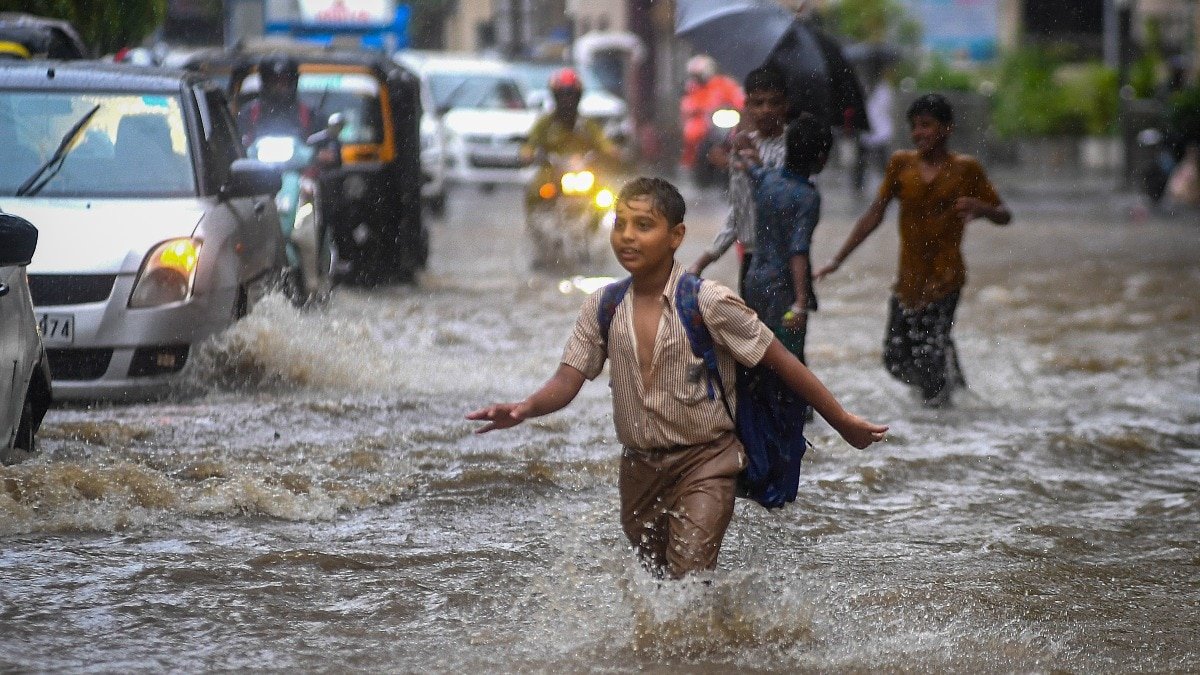
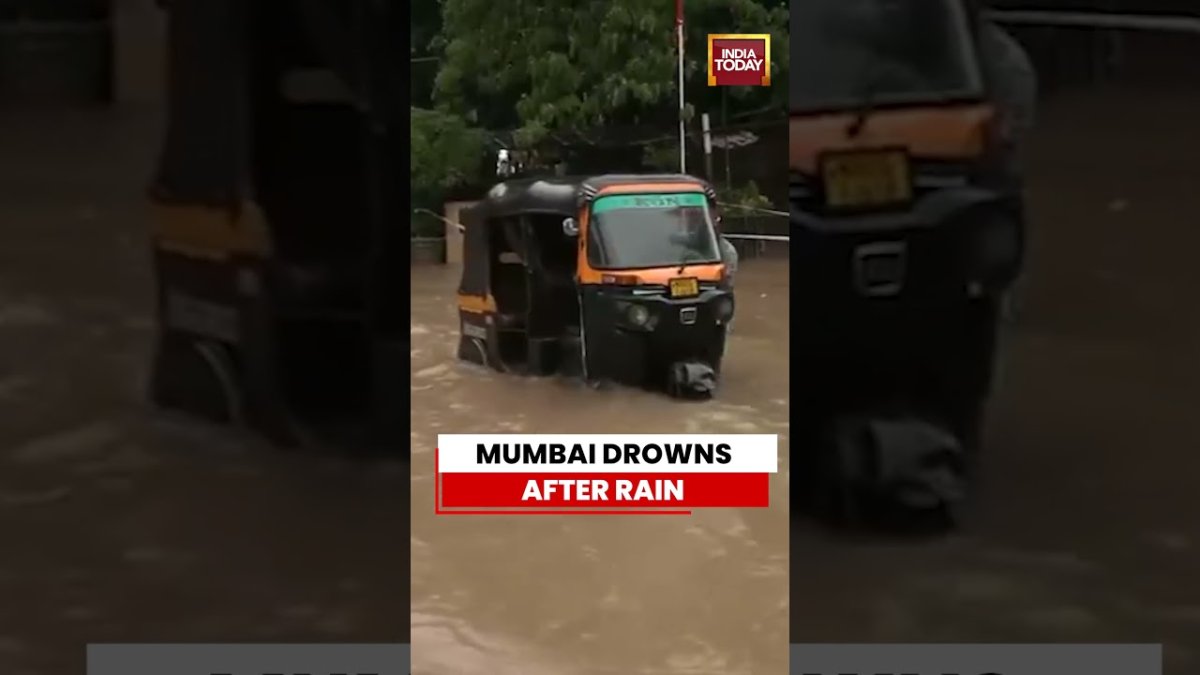
The city received 200 mm city-wide and more than 230 mm in eastern suburbs within 24 hours. The BMC had upgraded 37 storm-water pumping stations before the season, yet the Andheri subway remained submerged for several hours. Colonial-era nullahs designed for 25 mm h⁻¹ intensity proved incapable of handling the observed 8-10 mm h⁻¹ sustained rates combined with a 4.27 m high tide that blocked outfalls.
Central Railway reported 180 mm at key stations, causing 10-15 minute delays on suburban services. Waterlogging extended to Worli, Charkop and Hindmata, paralysing arterial roads. Although BMC increased pump capacity by 18 % since 2020, the underlying network of 2,000 km of drains retains its 19th-century alignment and cross-section. Hydraulic modelling by IIT Bombay shows that even full pump operation cannot compensate for tidal backflow when sea level is elevated.
The mismatch between upgraded mechanical assets and legacy gravity infrastructure creates recurrent bottlenecks. Each additional 50 mm of rain now translates into an extra four to six hours of inundation compared with 2010 baselines, directly increasing exposure time for residents and emergency responders.
The economic toll of these recurrent disruptions is substantial. The Bombay Chamber of Commerce estimated that a single day of severe waterlogging in Mumbai costs the local economy approximately ₹450 crore in lost productivity, missed workdays and supply chain delays. The July 1-2 event, which affected road and rail movement for nearly 36 hours, likely inflicted losses exceeding ₹800 crore across the Mumbai Metropolitan Region. Small businesses in Andheri, Dadar and Parel reported revenue drops of 60-70 % during the waterlogged period.
Public Health Risks — From Dengue to Leptospirosis
The Ministry of Health issued an advisory on 28 June 2026 warning that dengue transmission now occurs year-round in urban centres. Pre-monsoon cases had already been reported in Mumbai and Thane districts, indicating sustained Aedes aegypti breeding in stored water. Floodwater mixed with sewage elevates leptospirosis, cholera and typhoid risks within 48-72 hours of inundation.
AIIMS and ICMR surveillance networks documented a 22 % rise in leptospirosis seropositivity in flood-affected wards during the first week of July 2026. Contaminated water entering open wounds or mucous membranes provides the primary transmission route. Cholera and typhoid outbreaks historically follow similar timelines, with case doubling times of three to five days when chlorination is disrupted.
Post-flood healthcare expenditure in affected districts rose 15-20 % within two weeks, driven by outpatient visits and hospital admissions. ICMR modelling projects that without year-round vector-control protocols, annual dengue cases in coastal metros could increase 35 % by 2030 under current warming trajectories.
AIIMS Mumbai issued a public advisory on 4 July urging residents in waterlogged areas to avoid wading through floodwater and to wear protective footwear if exposure was unavoidable. The advisory also recommended boiling drinking water and reporting fever cases to municipal health posts within 24 hours of symptom onset. Municipal health workers have been deployed to 42 flood-affected wards across Andheri, Dadar and Worli to distribute chloramine tablets and collect water samples for bacteriological testing.
Preventable Loss — Infrastructure Failures and Fatalities
A 42-year-old man died on 2 July after falling into an open manhole in Chandivali. The incident occurred when floodwater obscured road-level hazards, a recurring pattern during extreme events. Traffic paralysis delayed ambulance response times by an average of 45 minutes across the eastern suburbs.
Emergency services logged 312 calls for water rescue and medical evacuation within 12 hours. The single fatality underscores how minor infrastructure defects become lethal when drainage capacity is exceeded. Similar incidents in 2019 and 2023 prompted BMC to install manhole covers with locking mechanisms, yet coverage remains incomplete in 14 % of municipal wards.
Each hour of inundation also raises indirect mortality through delayed access to dialysis, insulin and cardiac care. Municipal health data indicate a 12 % spike in missed appointments during the 48-hour period following the 1-2 July event.
What This Means for Indian Cities
The Mumbai episode illustrates a national pattern: 76 % of India experienced rainfall deficits in June, yet isolated extreme events produced outsized damage. Cities with colonial drainage networks face compounded risk as convective bursts intensify. Fiscal burden on taxpayers is rising; BMC alone spent ₹1,240 crore on emergency dewatering and health response in July 2026.
Without integrated upgrades, annual economic losses from urban flooding are projected to reach 0.8 % of metropolitan GDP by 2035. The recurring cycle of deficit followed by deluge strains both municipal budgets and public-health systems, disproportionately affecting low-income neighbourhoods with limited insurance coverage.
Cities such as Chennai, Kolkata and Bengaluru face similarly acute risks. Chennai recorded 160 mm in a single day in November 2025, while Kolkata's storm-water network, also of colonial vintage, handles only 12 mm per hour at full capacity. The Ministry of Housing and Urban Affairs has identified 63 cities with drainage systems designed before 1970 that require urgent climate-proofing. However, only 12 of these cities have approved master plans incorporating current rainfall intensity projections.
The Maharashtra State Disaster Management Authority has recommended that all new real estate developments in flood-prone areas of Mumbai, Thane and Palghar install rainwater harvesting systems and underground retention tanks as a condition for building approval. This policy, if enforced, could reduce storm-water runoff by up to 30 % in newly developed areas, easing pressure on the existing drainage network during extreme events.
The Path Forward — Integrated Climate and Health Adaptation
IMD has expanded its nowcast network to 15-minute rainfall updates for Mumbai, Thane and Palghar. Coupling these forecasts with automated pump controls and tidal-gate operations could reduce inundation duration by 30-40 %. BMC has initiated a ₹3,800 crore project to redesign 180 km of primary drains using nature-based retention ponds and permeable pavements.
The Ministry of Health is piloting year-round dengue surveillance that integrates rainfall anomalies with vector indices. AIIMS and ICMR recommend pre-positioning antibiotics and oral rehydration stocks in flood-prone wards before the monsoon trough arrives. Expanding this model to 20 additional coastal cities would require an estimated ₹920 crore annually but could avert 15-20 % of post-flood disease burden.
Long-term resilience also demands revising building codes to mandate elevated electrical and medical infrastructure above the 1-in-50-year flood level. Coordinated action between IMD, BMC and state health departments offers the only scalable pathway to break the cycle of deficit, deluge and disease.
For individual citizens, awareness and preparedness remain critical. The Ministry of Health's 'Beat the Flood' campaign, launched in May 2026, provides monsoon health kits including water purification tablets, mosquito repellent and oral rehydration salts to households in 150 high-risk urban wards across Maharashtra. Scaling this programme to cover all 63 vulnerable cities identified by the Ministry of Housing and Urban Affairs would require an additional ₹280 crore annually but could reduce post-flood morbidity by an estimated 25 %, based on pilot data from the 2025 Kerala model.
— By Dr. Raj Patel, Staff Writer
This article was produced with AI-assisted research and editorial support. Reporting is based on sources cited in the article.
What's Your Reaction?
 Like
0
Like
0
 Dislike
0
Dislike
0
 Love
0
Love
0
 Funny
0
Funny
0
 Wow
0
Wow
0
 Sad
0
Sad
0
 Angry
0
Angry
0

India/South Asia Correspondent at Global1.News. Analytical voice with a background in science and health journalism. Based in New Delhi, covering Indian politics, education, healthcare, technology, and policy. Breaks down complex data into clear, actionable reporting.













Comments (0)