
Gordie Howe Bridge Delay: Ambassador Denies Donations Role
The Gordie Howe International Bridge, a $4.7 billion project financed entirely by Canada, was meant to open with a ribbon-cutting ceremony last month. That event was cancelled following a request from American officials, leaving the new crossing between Windsor, Ontario and Detroit, Michigan still closed to traffic. Prime Minister Mark Carney attributed the postponement to ongo
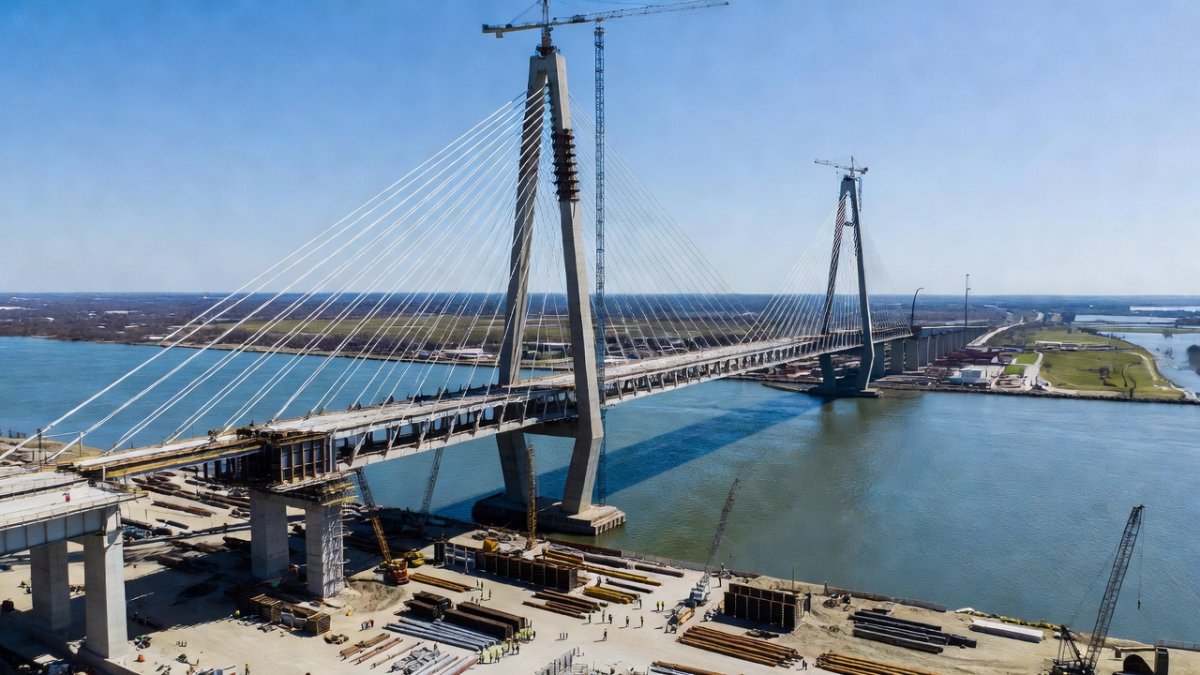
The Gordie Howe International Bridge, a $4.7 billion project financed entirely by Canada, was meant to open with a ribbon-cutting ceremony last month. That event was cancelled following a request from American officials, leaving the new crossing between Windsor, Ontario and Detroit, Michigan still closed to traffic. Prime Minister Mark Carney attributed the postponement to ongoing work on technical aspects, while U.S. Ambassador Pete Hoekstra has rejected suggestions that political donations played any role.
Ambassador Denies Donations Behind Gordie Howe Bridge Delay
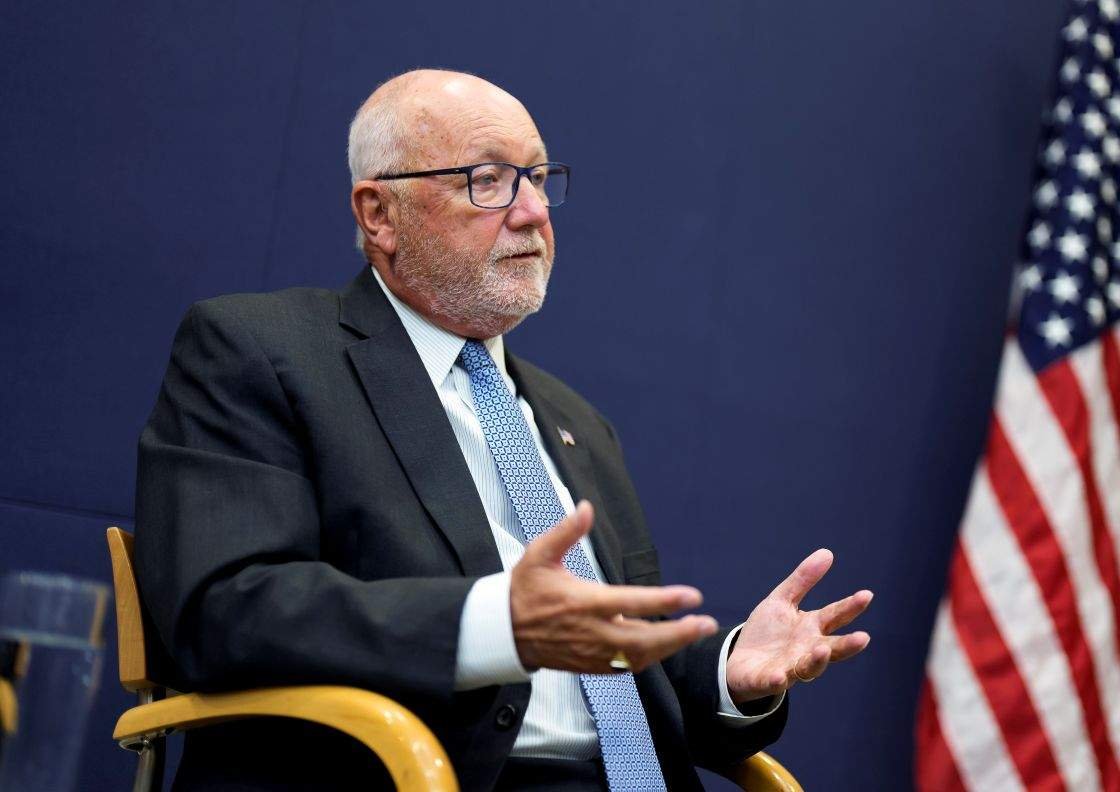
U.S. Ambassador Pete Hoekstra has firmly dismissed any connection between campaign contributions from the Moroun family and the delay of the Gordie Howe International Bridge. Speaking at a press conference in Ottawa, Hoekstra stated “Absolutely not” when asked whether donations influenced the decision to cancel the planned ribbon-cutting. He emphasised that the project remains on track despite the postponement, describing the situation as a matter of routine coordination between the two countries.
The bridge, which will provide a second major crossing over the Detroit River, has been under construction for years after decades of planning to relieve pressure on existing infrastructure. Windsor’s economy depends heavily on seamless border access for the automotive sector, which moves components and finished vehicles daily between Ontario plants and Michigan assembly lines. Any extended delay risks disrupting supply chains that account for roughly one-quarter of all Canada-U.S. trade by value.
Hoekstra also addressed broader perceptions about financing, calling the notion that Canada alone is paying for the bridge “the big myth.” He noted that Americans contribute more than half the revenue through tolls collected at the competing Ambassador Bridge. Canadian officials have countered that the $4.7 billion construction cost rests solely with Canadian taxpayers and the federal government in Ottawa.
Moroun Family Connections and Campaign Donations
The Moroun family, owners of the Ambassador Bridge that currently holds a near-monopoly on commercial truck traffic between Detroit and Windsor, have maintained close ties to U.S. political figures. In January, the family donated US$1 million to Trump’s MAGA Inc. super PAC. The New York Times reported that Matthew Moroun met Commerce Secretary Howard Lutnick hours before former President Trump posted in February about blocking the new bridge unless the United States received compensation.
Additional records show fifteen separate donations from Moroun family members totalling more than US$35,000 to Pete Hoekstra during his final year in Congress. Hoekstra has described these contributions as standard political support unrelated to the bridge project. Canadian trade observers in Ottawa remain concerned that such links could complicate an already delicate bilateral relationship.
The Ambassador Bridge’s dominant position has long shaped cross-border logistics. For decades, the Moroun family resisted construction of a competing span, arguing that existing capacity was sufficient. The Gordie Howe project emerged only after sustained pressure from both Canadian and Michigan governments seeking to diversify routes and reduce congestion that frequently backs up trucks for kilometres on both sides of the border.
Canada Pays the Bill, But Who Benefits?
Although Canada covered the full $4.7 billion construction cost, the completed bridge will be co-owned with the state of Michigan. This arrangement reflects earlier agreements under which Michigan committed to covering future maintenance while Canada advanced the capital. The structure ensures that toll revenues will eventually be shared, yet the initial outlay remains a point of domestic debate in Ottawa and Queen’s Park.
Windsor’s manufacturing base, centred on automotive parts and assembly, relies on reliable crossings to maintain just-in-time delivery schedules with Detroit plants. Industry groups have warned that even a few months of additional delay could shift some production planning southward, affecting thousands of jobs in southwestern Ontario. The federal government has pointed to the bridge as essential infrastructure supporting long-term economic integration under CUSMA.
Local leaders in both Windsor and Detroit have expressed frustration at the sudden cancellation of the ribbon-cutting. They note that the project was originally conceived in the 1990s and only advanced after years of environmental assessments, land acquisitions and bilateral negotiations. The latest postponement has renewed questions about whether political considerations are now overriding the original economic rationale.
Bridge Delay Tied to Broader Trade Tensions
The bridge postponement coincides with renewed friction over the Canada-United States-Mexico Agreement. The Trump administration declined a proposed 16-year extension of CUSMA, citing shortcomings and persistent trade deficits. Canada has not yet held formal review talks with Washington, although Mexico has already completed multiple rounds of discussions.
Prime Minister Mark Carney’s office has signalled willingness to engage on modernising the agreement but has received no formal invitation from the U.S. side. Hoekstra expressed optimism that the bridge itself could open “relatively soon,” yet he was less sanguine about near-term progress on CUSMA. Any party may withdraw from the agreement with six months’ notice, a provision that continues to cast uncertainty over future trade rules.
Ontario’s automotive supply chains, which stretch from assembly plants in Oshawa and Oakville to parts makers across the province, depend on predictable border procedures. Business councils in Toronto and Windsor have urged both governments to separate the bridge opening from wider trade negotiations to avoid compounding economic risks.
CUSMA Review Looms as Canada Seeks Negotiations
With the CUSMA review process approaching, Canadian negotiators face the challenge of securing a seat at the table while Mexico has already advanced its bilateral discussions. Ottawa has emphasised that any changes must preserve integrated North American supply chains, particularly in the auto sector that crosses the Windsor-Detroit corridor multiple times during production.
Trump has publicly stated that the United States would be “better without” CUSMA and would prefer termination over an extension that fails to address perceived imbalances. Canadian officials have responded by highlighting the agreement’s role in supporting more than US$2 billion in daily two-way trade. They argue that abrupt termination would harm manufacturers on both sides of the border.
Provincial governments in Ontario and Quebec have begun internal assessments of potential tariff scenarios should talks stall. These preparations include contingency planning for the automotive, steel and aluminium sectors that proved vulnerable during earlier rounds of trade tension. Federal-provincial coordination meetings have increased in frequency as the July 2026 deadline for formal review draws nearer.
What Happens Next
Ambassador Hoekstra indicated he remains optimistic the Gordie Howe International Bridge will open “relatively soon,” though he offered no revised timeline. Canadian authorities continue to work through the technical issues cited by Prime Minister Carney, while monitoring any signals from Washington on broader trade matters.
Industry associations on both sides of the border are pressing for clarity, noting that planning cycles in the automotive sector require months of lead time. A prolonged delay risks shifting investment decisions away from the integrated Windsor-Detroit manufacturing region that has defined North American vehicle production for generations.
Observers in Ottawa expect the bridge file and CUSMA review to remain parallel but distinct tracks in Canada-U.S. relations. Resolving one without progress on the other could prove difficult given the overlapping political and commercial interests involved. Both governments have acknowledged that the economic stakes extend well beyond a single crossing to the overall health of continental supply chains.
Tags: Gordie Howe International Bridge, Canada-US trade, CUSMA, Windsor Ontario, Ambassador Bridge, Mark Carney, Pete Hoekstra, Moroun family, automotive supply chains
By Alex Thompson, Staff Writer
This article was produced with AI-assisted research and editorial support. Reporting is based on sources cited in the article.
What's Your Reaction?
 Like
0
Like
0
 Dislike
0
Dislike
0
 Love
0
Love
0
 Funny
0
Funny
0
 Wow
0
Wow
0
 Sad
0
Sad
0
 Angry
0
Angry
0
Canada Correspondent at Global1.News. Based in Toronto, covering Canadian politics, energy, trade, and US-Canada relations. Provides the Canadian perspective on North American and global affairs.














Comments (0)