
Hegseth Signals Continuity in US-Iran Framework Despite Escalating Lebanon Front
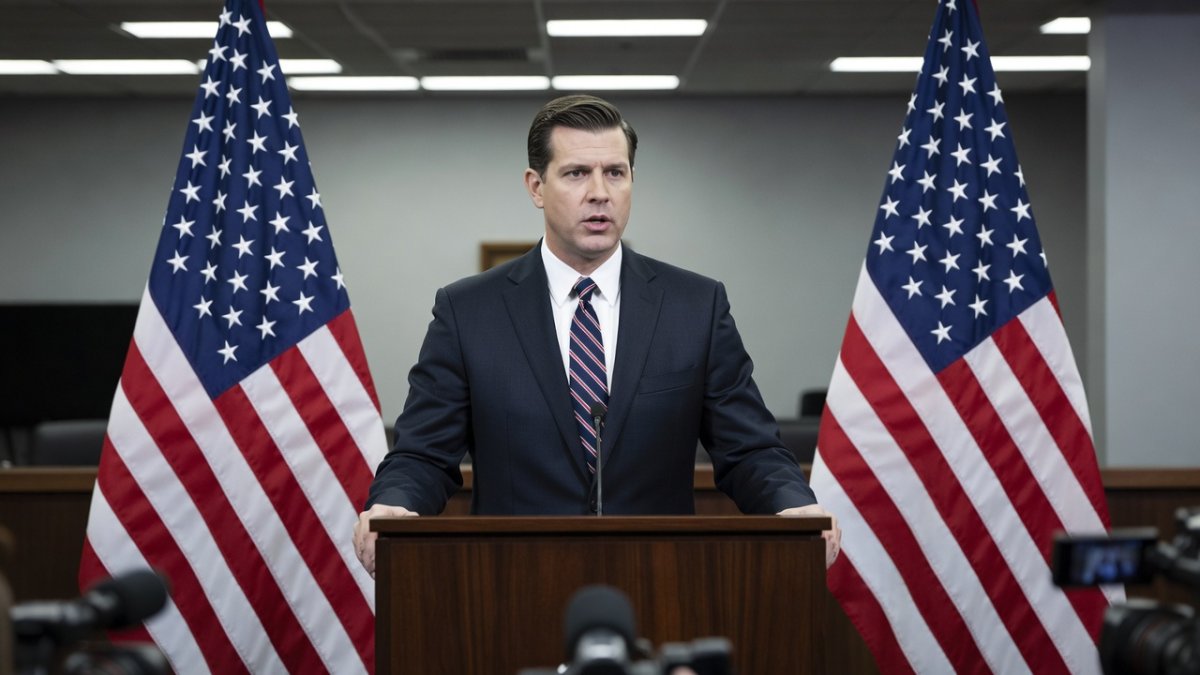
Al Arabiya English video coverage from June 14, 2026, captures US Defense Secretary Pete Hegseth stating that the Iran nuclear framework continues to advance even as Israeli forces target Hezbollah infrastructure in Lebanon. This development ties directly into broader Middle East dynamics involving the US-Iran nuclear provisions that encompass Lebanon security arrangements and
Al Arabiya English video coverage from June 14, 2026, captures US Defense Secretary Pete Hegseth stating that the Iran nuclear framework continues to advance even as Israeli forces target Hezbollah infrastructure in Lebanon. This development ties directly into broader Middle East dynamics involving the US-Iran nuclear provisions that encompass Lebanon security arrangements and the ongoing evolution of the Abraham Accords. The situation underscores persistent tensions between Israeli security imperatives and Iranian influence networks stretching from Tehran to Beirut.
Hegseth Signals Continuity in US-Iran Framework Despite Escalating Lebanon Front
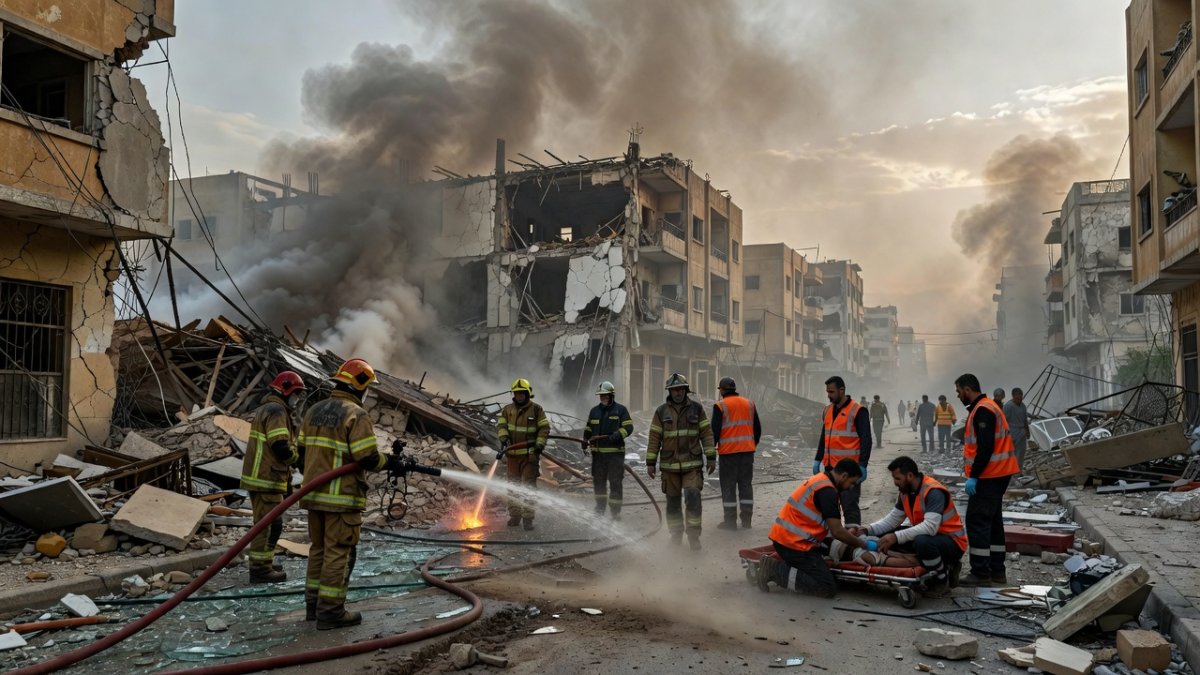
WASHINGTON, DC — June 14, 2026 — US Defense Secretary Pete Hegseth stated that the Iran nuclear framework remains on track, even as Israeli strikes target Hezbollah positions across southern Lebanon and Beirut’s southern suburbs. The remarks came amid reports of Israeli army footage showing precision hits on a Hezbollah command headquarters and two Hezbollah drones launched toward northern Israel that landed in open areas without casualties. Hegseth emphasized continued US attention to rocket fire from Hezbollah into northern Israel and reiterated demands that the group cease such attacks.
The Geopolitical Context: Iran Talks Amid Active Combat
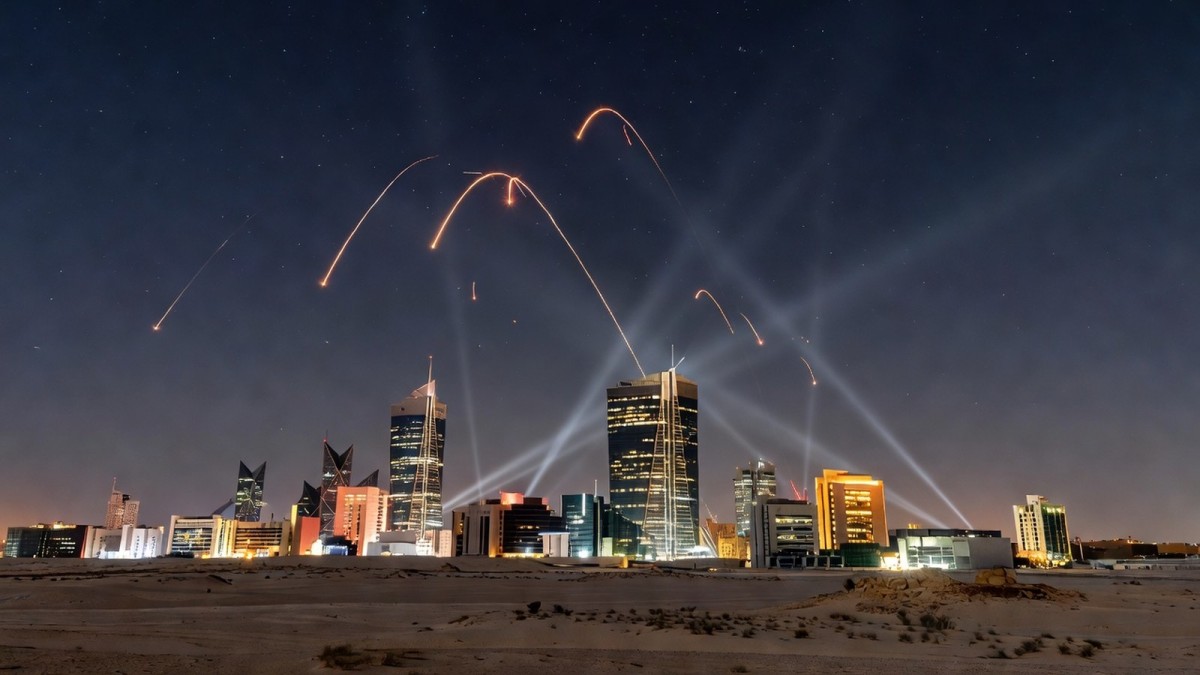
The June 14, 2026, Al Arabiya English report places Hegseth’s comments within an active operational environment along the Lebanon-Israel border. Israeli military movements have intensified near the frontier while strikes have damaged villages in south Lebanon and a major command node in Beirut’s southern suburbs. These actions occur against the backdrop of a US-Iran nuclear framework that explicitly incorporates Lebanon-related provisions aimed at constraining Hezbollah’s military capabilities. US Envoy Mike Waltz has separately praised the Trump administration’s coercive diplomacy model, which pairs diplomatic engagement with credible military pressure to shape Iranian and proxy behavior.
Regional actors interpret these developments through the lens of great power competition. China and Russia continue to expand economic and diplomatic footprints in Tehran and Damascus, offering alternative partnerships that dilute US leverage. Meanwhile, Gulf states watch closely for any signs that the nuclear framework could accelerate or derail their own diversification strategies away from hydrocarbon dependence. The interplay between the Lebanon front and the nuclear track creates a compressed decision timeline for all parties.
Historical Background: From JCPOA to Coercive Diplomacy
The current US-Iran framework builds on earlier diplomatic efforts that began with the 2015 JCPOA and evolved through subsequent rounds of indirect talks. Provisions addressing Lebanon were added to link Hezbollah’s arsenal and cross-border activities to broader nuclear compliance benchmarks. This linkage reflects lessons from the 2006 Israel-Hezbollah war and the 2023-2024 escalation cycles, where proxy actions repeatedly threatened to derail nuclear negotiations. The Abraham Accords, launched in 2020, established parallel normalization tracks between Israel and several Arab states that remain sensitive to Hezbollah’s role as an Iranian forward operating base.
Israeli operations in Beirut’s southern suburbs and targeted villages in south Lebanon follow patterns established during previous rounds of conflict. Hezbollah’s use of drones and rockets into northern Israel mirrors tactics refined since 2023. The US position, articulated by both Hegseth and Waltz, seeks to maintain diplomatic momentum on the nuclear file while managing escalation risks that could draw in additional regional actors including Turkey and elements within the Iraqi Popular Mobilization Forces.
Regional Dynamics: Sunni-Shia Competition and Gulf Calculations
Sunni-Shia competition continues to shape alignments across the Levant and Gulf. Saudi Arabia and the UAE have accelerated economic diversification projects under Vision 2030 and similar initiatives, seeking insulation from any renewed Iran-related instability. At the same time, these states maintain quiet security coordination channels with Israel that were formalized through the Abraham Accords. Iranian support for Hezbollah remains a central instrument of Tehran’s forward defense doctrine, allowing projection of power without direct confrontation on Iranian soil.
Turkey’s foreign policy under President Erdogan balances NATO commitments with independent engagement in northern Syria and Iraq. Ankara monitors Israeli operations in Lebanon for any spillover that could affect its own border security calculations. Energy markets add another layer of complexity, as any sustained disruption along the Lebanon-Israel corridor risks upward pressure on global oil prices and complicates Gulf export strategies. Great power competition between the United States and China further influences how regional capitals weigh the credibility of US security guarantees versus alternative economic partnerships.
Strategic Calculus: Washington, Tel Aviv, and Tehran
Washington’s calculus prioritizes keeping the Iran nuclear framework intact while deterring Hezbollah from broader escalation. Hegseth’s public affirmation of progress signals to Tehran that diplomatic off-ramps remain available provided proxy activity stays below certain thresholds. Israeli decision-makers, facing domestic pressure over northern border security, calculate that calibrated strikes on command infrastructure can degrade Hezbollah capabilities without triggering full-scale war. The Israeli military’s documented movements along the border serve both operational and signaling purposes.
For Tehran and Hezbollah, the immediate objective is to preserve deterrence credibility and maintain influence in Lebanese politics without crossing red lines that would collapse the nuclear talks. Hezbollah’s decision to launch only two drones that fell harmlessly suggests an attempt to demonstrate capability while avoiding major retaliation. Gulf states weigh the benefits of continued normalization with Israel against the risk that sustained Lebanon conflict could empower hardline elements in Iran and its network of proxies.
Implications for Middle East Stability
Continued adherence to the US-Iran framework with embedded Lebanon provisions could gradually constrain Hezbollah’s operational freedom and open space for Lebanese state institutions to reassert authority. Successful implementation would also reinforce the Abraham Accords architecture by reducing the threat perception that has slowed further normalization. Conversely, any breakdown risks renewed cycles of escalation that could draw in additional actors and destabilize energy markets already sensitive to Middle East supply disruptions.
Over the longer term, the interplay between coercive diplomacy and proxy conflict will test whether the United States can maintain influence across multiple theaters simultaneously. Beirut faces the prospect of prolonged reconstruction needs in the southern suburbs, Tel Aviv must balance security gains against the costs of sustained northern deployments, and Tehran will assess whether the nuclear framework delivers sufficient sanctions relief to justify continued restraint by its Lebanese ally. These calculations will shape the trajectory of Middle East security for years to come.
By Malik Hassan, Staff Writer
This article was produced with AI-assisted research and editorial support. Reporting is based on sources cited in the article.
What's Your Reaction?
 Like
0
Like
0
 Dislike
0
Dislike
0
 Love
0
Love
0
 Funny
0
Funny
0
 Wow
0
Wow
0
 Sad
0
Sad
0
 Angry
0
Angry
0
Middle East Correspondent at Global1.News. Based in Beirut, covering politics, conflict, energy, and society across the Middle East. Brings context and depth to a region often reduced to headlines.











Comments (0)