
Mazatlán Cartel Clashes Kill Marine in Sinaloa War
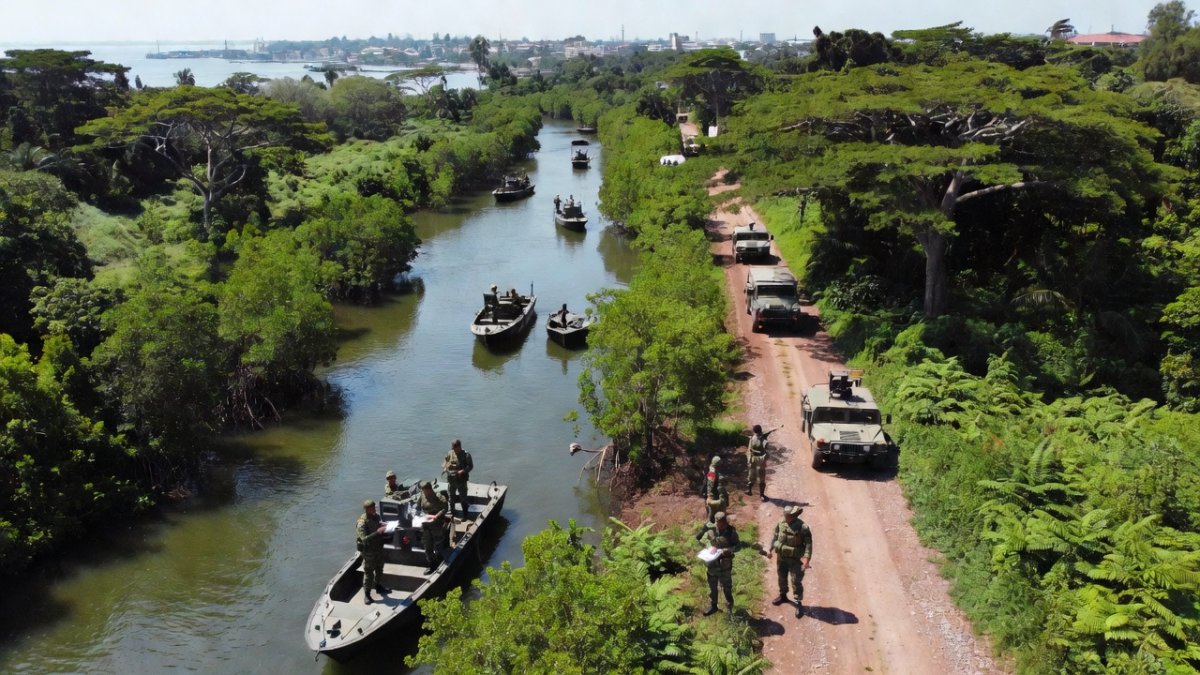
The Ambush Unfolds on Routine Patrol On Saturday morning, a unit from the Secretaría de Marina conducted a standard patrol along rivers and dams around Mazatlán to assess flooding risks ahead of the rainy season. The marines moved through rural stretches near the city when armed individuals opened fire from concealed positions. The attack killed one marine and left three others
The Ambush Unfolds on Routine Patrol
On Saturday morning, a unit from the Secretaría de Marina conducted a standard patrol along rivers and dams around Mazatlán to assess flooding risks ahead of the rainy season. The marines moved through rural stretches near the city when armed individuals opened fire from concealed positions. The attack killed one marine and left three others injured, with two later reported out of danger and one remaining in serious condition at a local military hospital.
SEMAR confirmed the marines were not engaged in any offensive operation but were simply surveying water levels and infrastructure. The sudden nature of the assault, involving coordinated gunfire, caught the patrol off guard in an area that had seen limited direct confrontations in recent months. Families in nearby colonias heard the exchange of fire and immediately sheltered indoors, a reaction that has become common in parts of Sinaloa over the past two years.
Local residents described the sound of sustained automatic weapons echoing across the countryside. One mother in a colonia on the southern edge of Mazatlán recounted gathering her children and moving to an interior room until the noise stopped. Such moments have interrupted daily routines for thousands of families who rely on the relative calm of the coastal city for work and schooling.
Second Confrontation in El Rosario Municipality
Approximately 180 kilometers north of Mazatlán in the municipality of El Rosario, a separate clash erupted later the same day. Security forces engaged a group of armed suspects, resulting in the deaths of 10 criminals. Authorities seized weapons, ammunition, and tactical equipment during the operation, according to statements from the Gabinete de Seguridad de México.
Three Colombian nationals were detained following the confrontation. Their presence has drawn attention to possible cross-border connections within the ongoing criminal dynamics in Sinaloa. SSPC officials noted that the individuals were found with the group but provided no further operational details at the time of the initial report.
The distance between the two incidents suggests coordinated activity across a wide area. El Rosario has experienced sporadic violence tied to territorial disputes, and the latest event adds to concerns among local farmers and small business owners who must navigate checkpoints and restricted movement on rural roads.
Broader Turmoil in Sinaloa Since July 2024
Sinaloa has experienced sustained internal conflict within the Sinaloa Cartel following the July 2024 handover of Ismael “El Mayo” Zambada to United States authorities by Joaquín Guzmán López. The resulting divisions between the Los Mayos and Los Chapitos factions have produced nearly 2,700 deaths across the state since September 2024, according to cumulative tallies reported by multiple Mexican outlets.
SSPC attributed the Mazatlán ambush specifically to the Los Chapitos faction. The group has been linked to several high-profile actions in recent months as it seeks to consolidate control over key routes and coastal access points. The Sheinbaum administration has continued elements of the previous security framework while adjusting operational emphasis toward intelligence-led interventions.
El Mayo’s recent announcement through his legal representatives that he intends to accept a life sentence in the United States has not reduced tensions on the ground. Instead, the power vacuum has intensified competition among remaining leaders, affecting supply chains and local economies that depend on legitimate commerce alongside informal networks.
Effects on Mazatlán Families, Businesses, and Tourism
Mazatlán’s tourism sector, which employs thousands of families in hotel, restaurant, and service jobs, has faced renewed uncertainty. Hotel occupancy rates dipped in the days following the incidents as some visitors altered travel plans. Small business owners along the malecón reported fewer customers during evening hours when families typically gather.
Teachers in public schools noted increased absenteeism among students whose parents work in tourism or fishing. Many families have begun discussing relocation options to other states, though economic ties and generational roots make such decisions difficult. Rural communities near the patrol route have seen reduced foot traffic at local markets.
Healthcare workers at IMSS and ISSSTE facilities in Mazatlán have treated both direct victims of violence and residents experiencing stress-related conditions. The cumulative strain on these institutions reflects the broader pressure placed on public services when security incidents occur in quick succession.
Official Response and Security Strategy
During the Tuesday morning mañanera, President Claudia Sheinbaum addressed the incidents alongside members of the Gabinete de Seguridad. The administration emphasized continued coordination between SEMAR, the Guardia Nacional, and state authorities while avoiding specific operational timelines. Officials reiterated that routine patrols will continue despite the risks.
SSPC statements highlighted the use of intelligence to locate the second group in El Rosario. The seizure of equipment was presented as evidence of ongoing efforts to disrupt armed networks. State governments in Sinaloa have requested additional federal support for rural areas where terrain complicates rapid response.
Congreso de la Unión members from Sinaloa have called for hearings to examine resource allocation for SEDENA and SEMAR units operating in the region. Discussions have included references to the AMLO-era National Guard expansion and its current effectiveness under the Sheinbaum administration.
IED Deployment and Operational Implications
The ambush involved improvised explosive devices, a tactic that raises concerns for future patrols. SEMAR personnel have increased training on detection methods, though the devices add complexity to operations in riverine and agricultural zones. Such weapons have appeared sporadically in Sinaloa since the escalation of factional fighting.
Security analysts note that IED use requires specialized knowledge and materials, pointing to possible adaptation by criminal groups facing conventional military pressure. The devices can be placed along predictable routes used during flooding assessments, forcing patrols to alter established patterns.
Communities near surveyed dams have expressed worry that explosive remnants could affect agricultural work or children playing in open areas. Local leaders have asked for clearer communication from authorities about cleared zones and any ongoing risks to civilian movement.
International Dimensions and Next Steps
The arrest of three Colombian nationals has prompted questions about external networks operating within Sinaloa’s criminal landscape. FGR investigations are expected to examine travel records and possible links to larger trafficking corridors. Such cases have appeared intermittently in Mexican ports and border regions over the past decade.
Residents in Mazatlán and surrounding municipalities continue daily life while monitoring official updates. Many express hope that sustained federal presence, combined with social programs, can gradually reduce the appeal of criminal recruitment among young people in vulnerable colonias.
INEGI data on economic activity in Sinaloa shows the state’s reliance on both tourism and agriculture, sectors directly affected by prolonged insecurity. Community organizations have begun informal discussions about neighborhood watches and cooperation with local police to protect schools and markets.
Tags: Sinaloa, Mazatlán, SEMAR, Sheinbaum, cartel violenceBy Rosa Martinez, Staff Writer
This article was produced with AI-assisted research and editorial support. Reporting is based on sources cited in the article.
What's Your Reaction?
 Like
0
Like
0
 Dislike
0
Dislike
0
 Love
0
Love
0
 Funny
0
Funny
0
 Wow
0
Wow
0
 Sad
0
Sad
0
 Angry
0
Angry
0
Latin America/Andes Correspondent at Global1.News. Based in Bogota, covering politics, environment, energy, and social movements across the Andean region. Passionate about environmental journalism and communities protecting their land.











Comments (0)