
BBC Investigation Identifies Jailers Running Russia's Torture Prisons in Occupied Ukraine
In a recent BBC News report, the broadcaster's investigative unit, BBC Eye Investigations, uncovered a sprawling system of secret detention centres in Russian-occupied Ukraine where torture, sexual violence, and systematic abuse of civilians have been documented for years. BBC Investigation Identifies Jailers Running Russia's Torture Prisons in Occupied Ukraine Kyiv, Ukraine –
In a recent BBC News report, the broadcaster's investigative unit, BBC Eye Investigations, uncovered a sprawling system of secret detention centres in Russian-occupied Ukraine where torture, sexual violence, and systematic abuse of civilians have been documented for years.
BBC Investigation Identifies Jailers Running Russia's Torture Prisons in Occupied Ukraine
Kyiv, Ukraine – 8 July 2026 — A comprehensive BBC World Service investigation has identified the perpetrators behind a network of secret detention centres in Russian-occupied Ukraine where systematic torture, sexual violence, and the arbitrary detention of civilians have become standard practice, according to survivors, human rights organisations, and Ukrainian prosecutors.
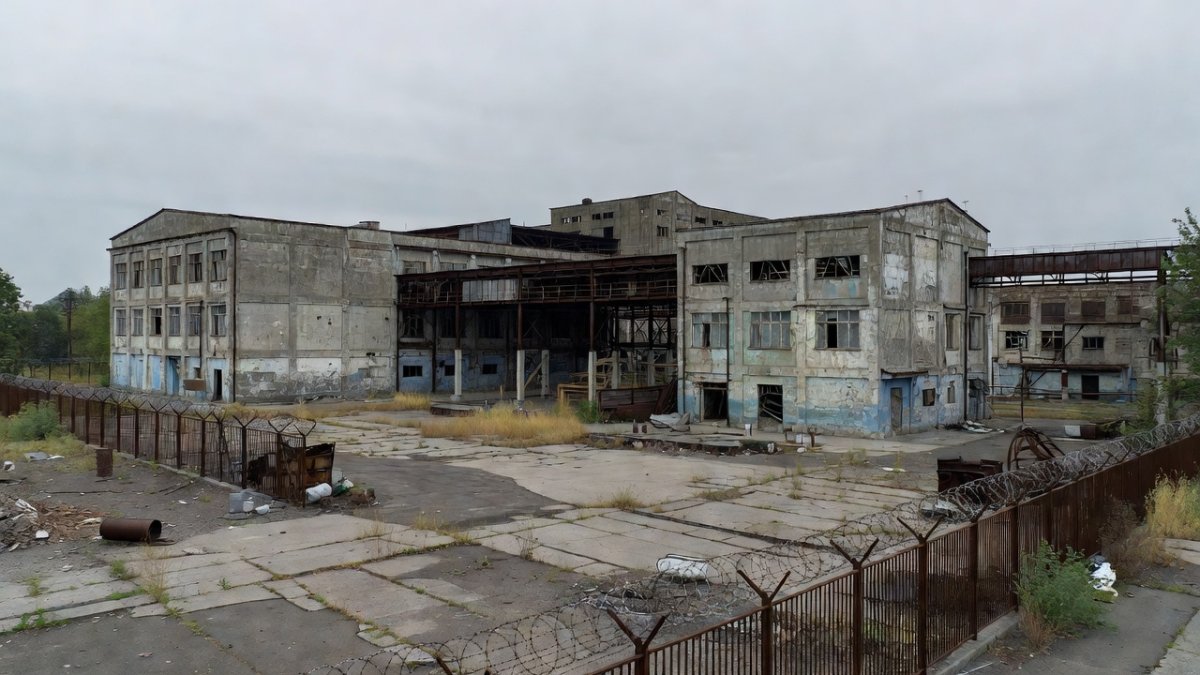
The Izolyatsia Nightmare
Liudmyla Huseinova was 64 years old when masked men snatched her from outside her home in Novoazovsk, a small city in the Donetsk region, one October morning in 2019. A safety engineer at a poultry farm, she had been helping care for orphans under Russian-backed occupation and delivering food to Ukrainian forces — a gesture of patriotism that would cost her three years of freedom, and nearly her sanity.
Liudmyla Huseinova spent three years and 13 days inside Izolyatsia, the former factory and art gallery in the Donetsk region that Russian-backed forces turned into one of the most feared detention centres. According to her account, detainees were forced to stand motionless from 06:00 to 22:00 each day. Bright lights remained on throughout the night, preventing sleep. Beatings occurred regularly, and electric shocks were administered to extract confessions or information. She recalled being pinched repeatedly and mocked as “a raisin” by guards. On one occasion, Ruslan Yeriomichev, known by the alias “Yermak,” ordered her to eat uncooked food mixed with soil and rubbish. The most harrowing episode came when a man identified as “Koval” sexually assaulted her while Yurii Temerbek watched and laughed, according to Liudmyla Huseinova’s testimony to BBC Eye Investigations journalists Tania Kharchenko and Samuel Horti.
Liudmyla Huseinova had been accused of spying for Ukrainian forces after her humanitarian work with orphans and soldiers. She was taken first to facilities run by the MGB, the Ministry of State Security of the self-proclaimed Donetsk People’s Republic, before transfer to Izolyatsia. The site, once a cultural space, became a symbol of arbitrary detention where civilians disappeared for months or years without charge or family notification. Liudmyla Huseinova was finally released in a prisoner exchange in October 2022 and now lives in Kyiv, where she runs an NGO supporting other women who survived detention.
The Men Who Ran the Prisons
Yurii Temerbek was a Ukrainian traffic policeman before 2014, a husband and father of two now aged 56 with a grandchild. Today he lives freely in the Rostov region of southwestern Russia, near the Ukrainian border. The BBC investigation, working with Ukrainian open-source investigators Bohdan Kosokhatko and Vladyslav Chyryk from Truth Hounds, identified him as one of the men who participated in Liudmyla Huseinova’s arrest and was present during her sexual assault.
Ruslan Yeriomichev, aged 46 and using the alias “Yermak,” served as a guard at Izolyatsia and was identified by Bellingcat and journalist Stanislav Aseyev as having forced Liudmyla Huseinova to consume contaminated food. Andrey Spivak, aged 40 and formerly a policeman in Omsk, Russia, ran a detention facility in Kherson. He has been charged with cruel treatment of civilians and violations of the laws of war. All three men acquired Russian passports after 2014 and now appear to live ordinary lives. Temerbek’s family resides in the Rostov region, while Spivak has returned to Omsk and registered his car as a taxi. Social media images show family holidays, fishing trips, and everyday routines, even as survivors such as Liudmyla Huseinova and Oleksii Sivak continue to live with lasting trauma.
A System of Systematic Brutality
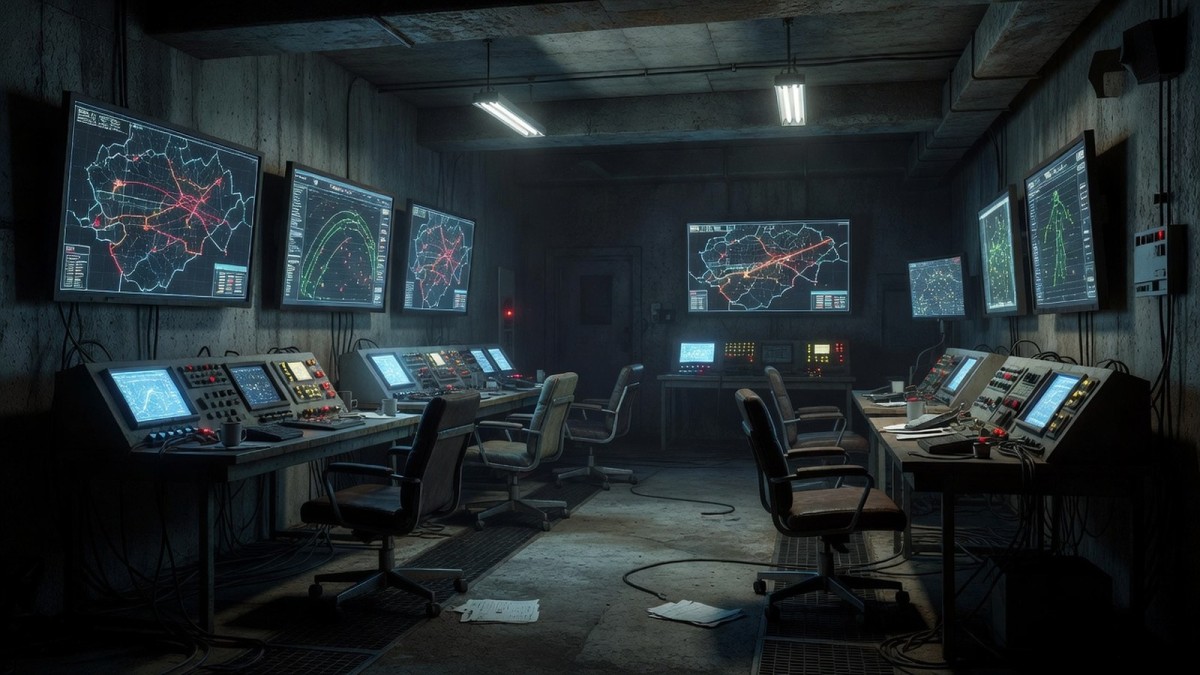
The UN OHCHR has declared the torture and ill-treatment of civilians in Russian-run detention “systematic and widespread.” Methods described by multiple detainees include prolonged beatings, electric shocks applied to sensitive body parts including the genitals, as recounted by survivor Oleksii Sivak, mock executions, and various forms of sexual violence. Civilians were frequently detained arbitrarily, with families left without information about their whereabouts for months. In May 2026 the UN added Russia to its blacklist of countries suspected of committing sexual violence in conflict. Russian officials dismissed these allegations as “groundless lies.” Between 2023 and 2025 the BBC mapped 93 detention sites inside occupied Ukraine and 102 sites inside Russia itself. Roughly one-third of these locations appeared unofficial, operating from tax offices, hotels, and garages rather than recognised prisons.
Ukrainian prosecutors have documented that more than 2,000 people passed through such centres since 2022. The OHCHR continues to record consistent patterns of abuse across facilities in Donetsk, Kherson, and other occupied areas. These practices affect ordinary Ukrainians and Russians alike, as families on both sides of the border struggle with the disappearance of relatives and the absence of any transparent legal process. International organisations have not been granted free access to these detention centres, limiting independent verification of conditions and the scale of violations. The Kremlin has accused the OHCHR of bias, framing its reports as politically motivated rather than grounded in evidence gathered from survivor testimonies and other available documentation.
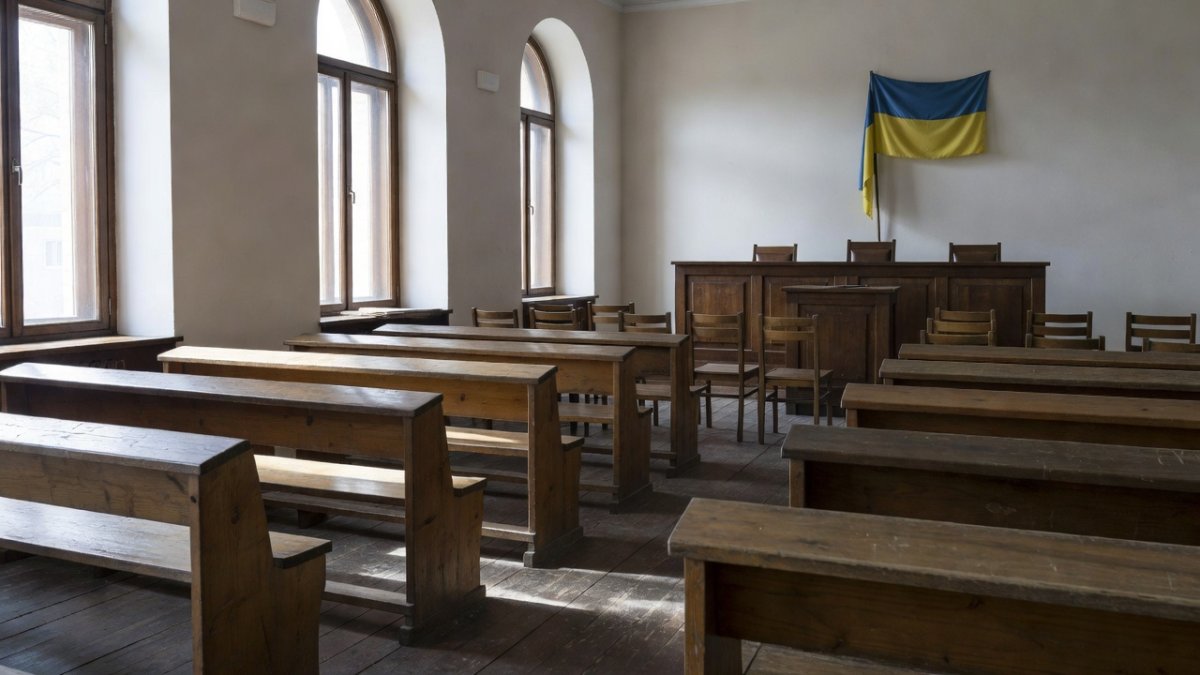
16,000 Disappeared — and Only One Conviction
Ukrainian authorities state that more than 16,000 civilians have been taken captive or disappeared since 2014. Prosecutors have recorded over 400 cases of conflict-related sexual violence against civilians. Of these, 85 people have been charged and 30 sentenced, almost all in absentia. Only one individual has actually been imprisoned inside Ukraine: a former head of Izolyatsia who was arrested in Kyiv in 2021 and sentenced to 15 years. The Izolyatsia site itself remains operational, according to Ukraine’s prosecutor general’s office. This stark contrast between the documented scale of abuse and the near-total absence of accountability illustrates the practical difficulties of securing justice when perpetrators reside in Russia or occupied Crimea.
The International Criminal Court has issued arrest warrants for senior Russian officials over war crimes in Ukraine, yet lower-level figures such as Yurii Temerbek, Ruslan Yeriomichev, and Andrey Spivak continue to move freely. The detention system described by survivors operates within broader Kremlin power structures that shield those carrying out day-to-day abuse from external scrutiny.
Kremlin’s Response and the Road to Justice
The Russian Embassy in the UK stated that Russia “consistently advocated respect for international law and the rule of law” and that any allegations of crimes are documented and investigated. The Kremlin has repeatedly accused the OHCHR of bias. Survivors including Liudmyla Huseinova and Oleksii Sivak continue to press for accountability through Ukrainian courts and international mechanisms. Liudmyla Huseinova now runs an organisation that supports other women detainees and organises parcels for those still held. “For me, justice is not revenge,” she has said. “I want them to be punished by law.”
Oleksii Sivak was arrested in Kherson in 2022 and subjected to electric shocks during detention. He escaped when Ukrainian forces retook the city in November 2022, as Russian forces lacked sufficient vehicle space to transport all detainees during their withdrawal. He now seeks accountability for the abuses he endured, adding his voice to calls for prosecutions through Ukrainian courts.
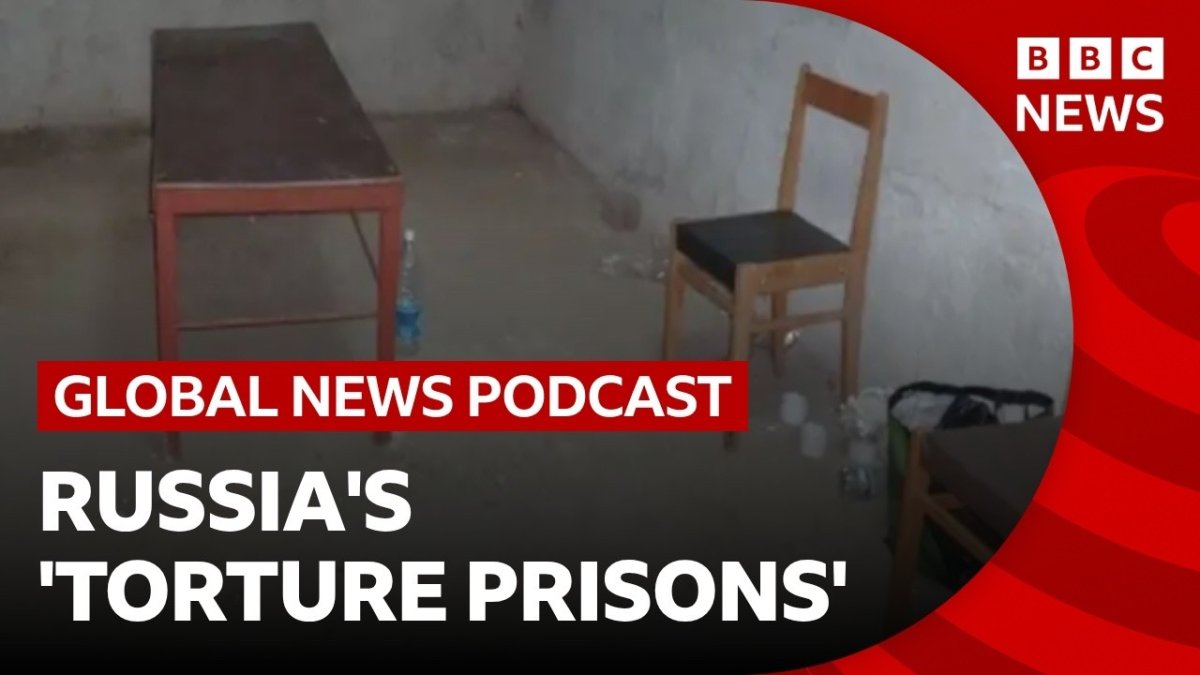
Analysis — An Impunity Gap With No End in Sight
This investigation reveals a deeply troubling reality: perpetrators live openly in Russia and occupied Ukraine, their identities known to authorities yet beyond the reach of Ukrainian or international justice. The International Criminal Court has issued arrest warrants for senior Russian officials over war crimes in Ukraine, but these lower-level perpetrators operate in a legal vacuum. Unless political will emerges to pursue them systematically, the deterrence effect remains zero. For the thousands of families who still do not know what happened to their loved ones, this investigation is both a step forward and a painful reminder of how far justice remains.
Russia’s systematic human rights violations have further eroded its international standing, complicating diplomatic engagement and reinforcing perceptions of institutional disregard for legal norms. The limited reach of international justice mechanisms becomes especially clear when perpetrators remain inside Russia, where domestic authorities show no inclination to cooperate with external investigations or extradition requests. This dynamic sustains an impunity gap that weakens broader efforts to uphold accountability in armed conflict.
What Comes Next for Ukraine's Captives
Ukrainian prosecutors continue to build cases against perpetrators. The site of Izolyatsia is still operating. For the more than 16,000 families still waiting for news about loved ones, the BBC investigation offers some names and faces but few answers. The International Criminal Court's jurisdiction is challenged by Russia's refusal to cooperate. Survivors like Liudmyla and Oleksii continue to push for justice through Ukrainian courts, demanding that the international community not forget those still in captivity.
By Irina Volkov, Staff Writer
This article was produced with AI-assisted research and editorial support. Reporting is based on sources cited in the article.
What's Your Reaction?
 Like
0
Like
0
 Dislike
0
Dislike
0
 Love
0
Love
0
 Funny
0
Funny
0
 Wow
0
Wow
0
 Sad
0
Sad
0
 Angry
0
Angry
0
Russia/Eastern Europe Correspondent at Global1.News. Covering Russian politics, energy, security, and the shifting dynamics of the post-Soviet space. Provides clear-eyed analysis on one of the world's most opaque regions.











Comments (0)