
Russia's Largest Oil Refinery Halts Production After Drone Attack
Russia's largest oil refinery, located in the Omsk region of western Siberia, has halted key operations after a Ukrainian drone strike on Monday. The attack marks one of Ukraine's longest-range operations in the ongoing conflict. Industry sources confirm that the facility, owned by Gazprom Neft and responsible for significant portions of the country's gasoline output, stopped s
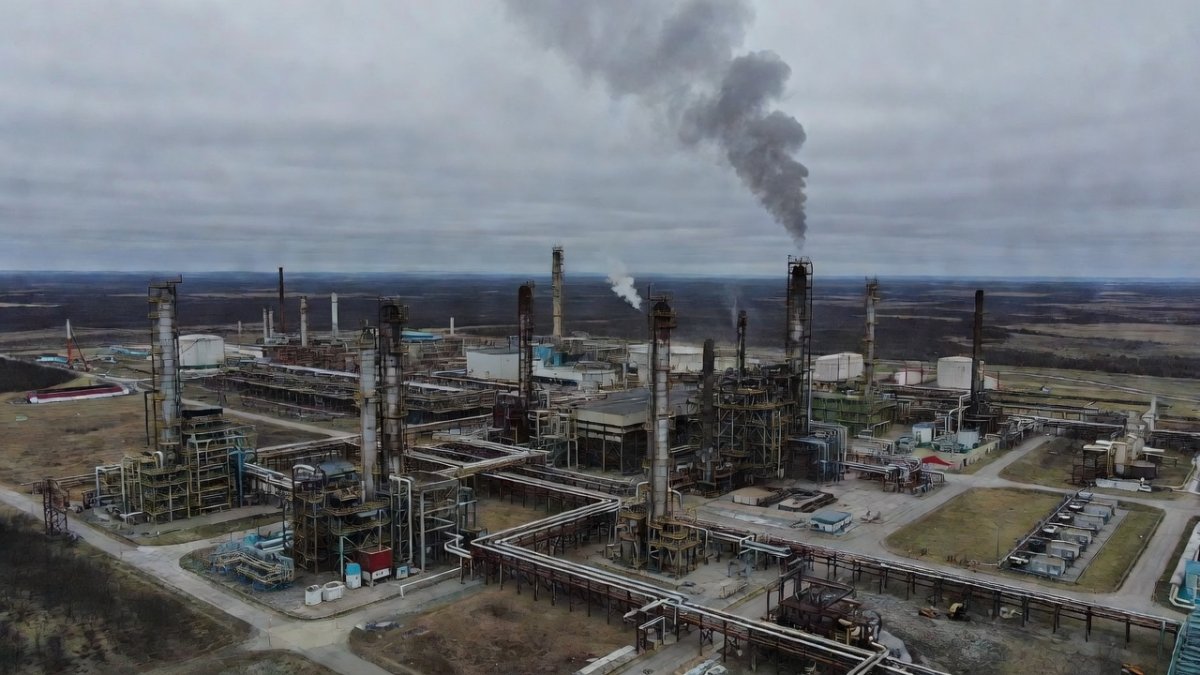
The Strike on the Omsk Refinery
The Omsk oil refinery processed 22 million tons of oil in 2024, equivalent to around 440,000 barrels per day. It produced 5 million tons of gasoline and 8 million tons of diesel during that period. The Monday strike damaged facilities at the plant, according to Anatoly Seryshev, President Vladimir Putin's representative in Siberia. No plant personnel were injured in the incident.
Seryshev stated that damage assessment is currently underway and that competent services have organized restoration work. Gazprom Neft, the owner of the refinery, did not immediately reply to requests for comment on the situation.
Damage to Primary Processing Units
A crude distillation unit known as CDU-10 caught fire and sustained damage. This unit accounts for around 38 percent of the plant's production capability and has a capacity of 24,580 metric tons per day. Separately, another primary processing unit, CDU-11, was taken offline even though it was not directly hit. CDU-11 accounts for 37 percent of the plant's capacity and can process 24,000 tons of oil per day. Network links essential to its operation were damaged, according to industry sources.
The sources noted that CDU-11, which entered operation in 2023, could resume work in the near future. The Omsk refinery also maintains two mothballed primary refining units, CDU-7 and CDU-8, each with a production capacity of 10,000 tons. In theory, the plant could restart these units to offset some losses.
Impact on National Fuel Production
The halt at the Omsk facility, Russia's top producer of gasoline, is likely to exacerbate fuel shortages across the country. The refinery stopped all sales of gasoline and diesel on the St. Petersburg International Mercantile Exchange on Tuesday, based on data from the exchange itself. This interruption affects both retail and wholesale channels that rely on output from the western Siberian plant.
Case Study from the Vologda Region
Vologda region Governor Georgy Filimonov experienced the fuel supply issues directly on Monday evening. He ran out of gasoline while driving and had to hitch a ride with traffic police. This occurred just one hour after he urged residents not to give in to panic and hoard fuel amid the nationwide supply crisis. Filimonov described the event as experiencing Russia's fuel supply woes firsthand.
Fuel Shortages Reach Ordinary Russians
Since June, Russian regions have increasingly faced higher gasoline prices at the pump and, in some cases, outright shortages. These problems stem from Ukrainian attacks on oil refineries and fuel supply networks. Filimonov announced partial limits on retail gasoline sales to motorists in his region, noting that regional demand for fuel has doubled while wholesale shipments from refineries have stagnated.
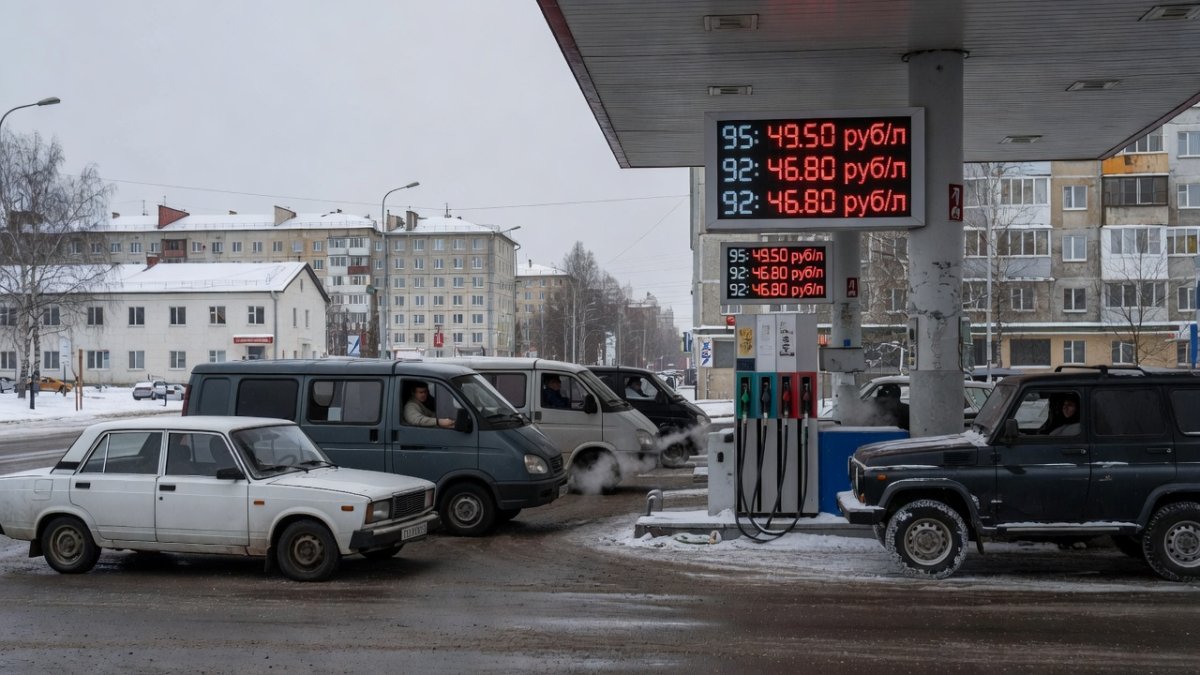
Price Increases Across Retail Markets
Nationwide, retail gasoline prices have climbed 11.6 percent since January. As of June 29, the average price reached 72.38 rubles per liter, or $3.52 per gallon. The combination of halted production at major facilities like Omsk and reduced shipments has contributed directly to these rises in multiple areas.
Restoration Efforts and Future Operations
Authorities have begun assessing damage at the Omsk site and organizing restoration work, as stated by Anatoly Seryshev. The affected units represent a substantial share of daily processing capacity, with CDU-10 and CDU-11 together covering 75 percent of the plant's capability before the incident. Industry sources indicate that while some units may return online soon, the immediate halt has already disrupted exchange sales and regional supply chains.
By Irina Volkov, Staff WriterThis article was produced with AI-assisted research and editorial support. Reporting is based on sources cited in the article.
What's Your Reaction?
 Like
0
Like
0
 Dislike
0
Dislike
0
 Love
0
Love
0
 Funny
0
Funny
0
 Wow
0
Wow
0
 Sad
0
Sad
0
 Angry
0
Angry
0
Russia/Eastern Europe Correspondent at Global1.News. Covering Russian politics, energy, security, and the shifting dynamics of the post-Soviet space. Provides clear-eyed analysis on one of the world's most opaque regions.









Comments (0)