
Canadian NATO Intern Arrested on Espionage Charges — Minister Vows Investigation
Arrest at NATO Headquarters Raises Alarm in Ottawa The detention of a Canadian national working as an intern at NATO's Supreme Headquarters Allied Powers Europe has prompted a swift response from federal officials in Ottawa. Belgian authorities arrested the individual on July 25 following raids at the suspect's residence and workplace inside the SHAPE command centre in Mons.
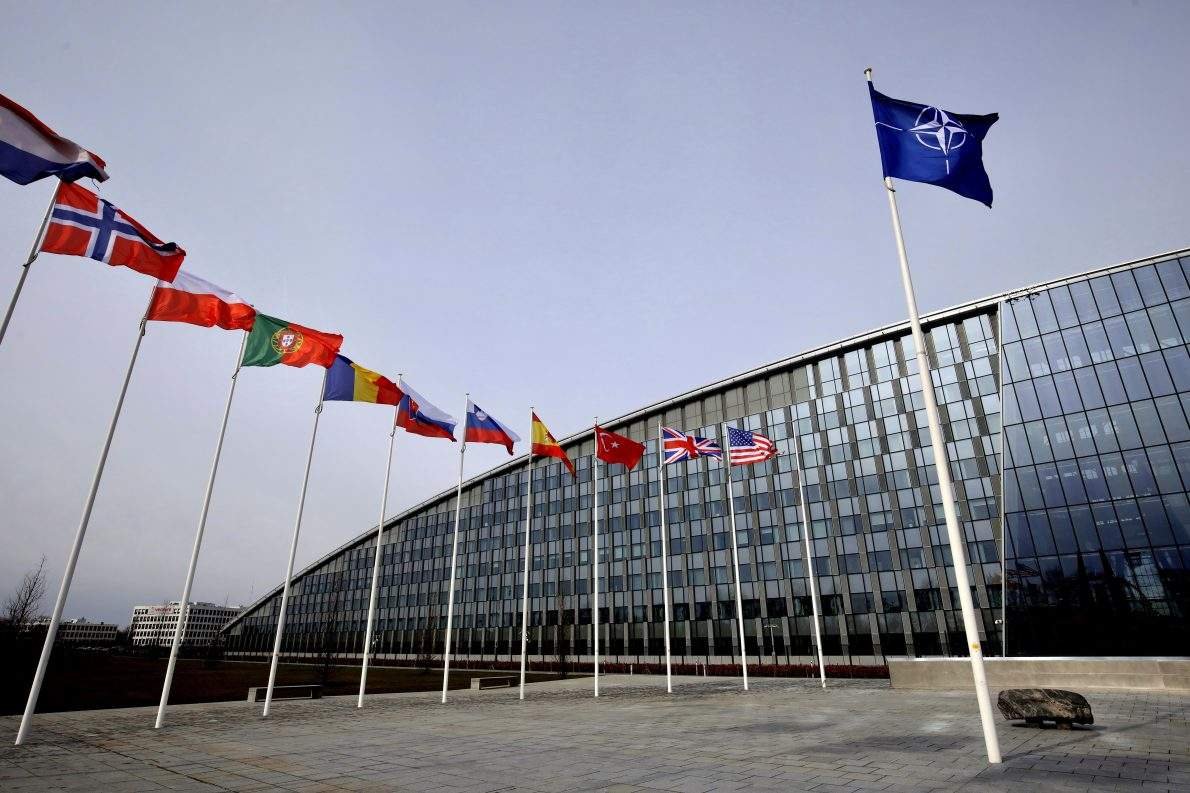
Arrest at NATO Headquarters Raises Alarm in Ottawa
The detention of a Canadian national working as an intern at NATO's Supreme Headquarters Allied Powers Europe has prompted a swift response from federal officials in Ottawa. Belgian authorities arrested the individual on July 25 following raids at the suspect's residence and workplace inside the SHAPE command centre in Mons. The Belgian federal prosecutor's office described the suspect as a Canadian national of Chinese origin and confirmed charges related to espionage and participation in a criminal organisation. Searches were conducted on July 23 at the suspect's home and at the SHAPE facility after NATO security services tipped Belgian military intelligence. The suspect, a Canadian woman of Chinese origin serving as an intern, now faces formal charges of espionage and participation in a criminal organisation.
Public Safety Canada has stated that the matter remains under active investigation and that Canadian agencies continue to coordinate closely with allied partners. The incident has drawn attention to the security protocols surrounding interns at sensitive NATO facilities and the broader challenge of foreign interference within the alliance. This development occurs against a backdrop of heightened scrutiny of China's activities, following NATO's 2021 decision to label the country a security challenge for the first time in alliance history.
Minister Anandasangaree Vows Thorough Review
Public Safety Minister Gary Anandasangaree has described the allegations as quite serious and committed the Government of Canada to a full examination of the case. In remarks issued from New Westminster, British Columbia, the minister emphasised the need to determine the facts and to prevent similar incidents from occurring in the future. Officials will examine whether the intern performed any work for Canadian agencies prior to the posting at SHAPE. The minister stated that authorities intend to "get to the bottom of this" through coordinated efforts with international partners.
The minister's statement aligns with longstanding Canadian practice of supporting alliance security while upholding principles of due process and transparency. Anandasangaree, who previously served as Minister of Justice and Attorney General of Canada before being named Public Safety Minister in 2025, brings extensive legal experience to the portfolio. His background as a Sri Lankan Canadian lawyer and former human rights advocate has informed his approach to balancing national security imperatives with procedural fairness. No additional operational details have been released by Canadian authorities at this stage. This approach mirrors previous responses to sensitive cases involving national security, where ministers have stressed the importance of evidence-based assessments before drawing conclusions about foreign interference.
Belgium's Investigation and NATO Security Procedures
Belgium's Federal Prosecutor's Office initiated the espionage investigation after receiving information from NATO's own security services. The Charleroi Federal Judicial Police (FJP) carried out the searches at the suspect's home and at the SHAPE facility, where the individual had been placed as an intern. The office has indicated that the suspect is alleged to have spied on behalf of a third country and to have been a member of a criminal organisation. The 32-nation alliance, which includes both Canada and Belgium, has faced increasing pressure amid discussions about burden-sharing and the future of collective defence commitments, including commentary from U.S. President Donald Trump regarding European security roles.
SHAPE, or Supreme Headquarters Allied Powers Europe, located in Mons, southwestern Belgium, has served as NATO's strategic command centre since 1967. The facility houses military personnel and civilian staff from across the alliance and maintains one of the highest security clearance regimes within the Western defence structure. The presence of an intern with alleged ties to espionage activities has raised questions about the effectiveness of current vetting processes for temporary personnel. NATO leaders have previously noted concerns about opaque military development and destabilising information activities attributed to China, which in 2021 the alliance formally labelled a security challenge. The current case is being handled through established Belgian judicial channels with support from military intelligence.
Canadian Partnerships with Allied Intelligence Agencies
A spokesperson for Public Safety Canada confirmed that the department cannot comment further while the investigation proceeds. The spokesperson added that all Government of Canada law enforcement and intelligence agencies maintain strong relationships with partner agencies to address threat-related activity. These relationships include regular exchanges with Belgian and other NATO counterparts. The Canadian Security Intelligence Service (CSIS) and the Royal Canadian Mounted Police (RCMP) both play central roles in counter-intelligence work, with CSIS focusing on threat assessment and the RCMP handling criminal investigations under statutes such as the Security of Information Act.
Canadian officials have historically placed emphasis on multilateral cooperation to protect shared defence interests. The current matter will test the effectiveness of those channels in responding to allegations involving a Canadian citizen at an alliance facility. Canada's participation in the Five Eyes intelligence-sharing partnership with the United Kingdom, United States, Australia and New Zealand provides an additional layer of coordination that may inform how Ottawa responds to developments in Mons. The Five Eyes network, long considered the most integrated intelligence alliance among Western nations, enables real-time information sharing on threats that cross national borders.
Implications for NATO Cohesion and Canadian Foreign Policy
The arrest occurs at a time when the alliance faces external commentary on burden-sharing and the future of collective defence commitments. Canadian diplomacy has consistently supported NATO's core functions while advocating for measured assessments of emerging security challenges. The case in Mons may prompt renewed discussion in Parliament about vetting procedures for personnel assigned to international postings. China's foreign interference has been a prominent issue in Canadian politics, with parliamentary committees examining related concerns in recent years. The House of Commons Standing Committee on Public Safety and National Security has held hearings on foreign interference, and the National Security and Intelligence Committee of Parliamentarians (NSICOP) provides ongoing oversight.
Canadian values of fairness and inclusion remain central to Ottawa's approach, even as security concerns are addressed. Any findings from the Belgian investigation will be reviewed in light of domestic legal standards before further action is considered by Canadian authorities. The case has drawn comparisons to the 2019 Cameron Ortis affair, in which a senior RCMP intelligence official was charged under the Security of Information Act with leaking classified information — a case that highlighted persistent challenges in protecting sensitive information within Canadian institutions. The current situation, however, involves allegations of espionage on behalf of a foreign power, which represents a distinct category of threat. Canada-China relations, already strained following the 2018 Huawei executive detention and the subsequent detention of Canadians Michael Kovrig and Michael Spavor, face renewed pressure amid the latest allegations.
Next Steps in the Ongoing Inquiry
Minister Anandasangaree has indicated that the Government of Canada will continue to monitor developments closely. Additional information is expected to emerge as Belgian judicial proceedings advance and as Canadian agencies complete their own internal review. No timeline for the conclusion of either process has been announced. The House of Commons National Security and Intelligence Committee of Parliamentarians (NSICOP) may eventually examine aspects of the case as part of its oversight mandate over security and intelligence matters.
Observers in Ottawa note that the matter underscores the importance of rigorous security screening for all individuals granted access to alliance facilities, regardless of nationality or position. Canadian officials have reiterated their commitment to working with NATO partners to safeguard sensitive information and maintain the integrity of collective defence arrangements. The story was originally reported by Lyndsay Armstrong in Halifax with files from The Associated Press.
Tags: espionage, NATO, Canada, Belgium, Gary Anandasangaree, SHAPE, Mons, Public Safety Canada, foreign interference
By Alex Thompson, Staff Writer
This article was produced with AI-assisted research and editorial support. Reporting is based on sources cited in the article.
What's Your Reaction?
 Like
0
Like
0
 Dislike
0
Dislike
0
 Love
0
Love
0
 Funny
0
Funny
0
 Wow
0
Wow
0
 Sad
0
Sad
0
 Angry
0
Angry
0

Canada Correspondent at Global1.News. Based in Toronto, covering Canadian politics, energy, trade, and US-Canada relations. Provides the Canadian perspective on North American and global affairs.













Comments (0)