
Zack Polanski Under Fire: UK Politics Reels from Guillotine T-shirt Controversy
British politics has been thrown into fresh turmoil after Reform UK reported Green Party leader Zack Polanski to the police over an Instagram carousel featuring a guillotine T-shirt bearing the name "Nigel". The post, shared to his account with hundreds of thousands of followers, has ignited accusations of incitement amid the raw aftermath of a high-profile political murder.
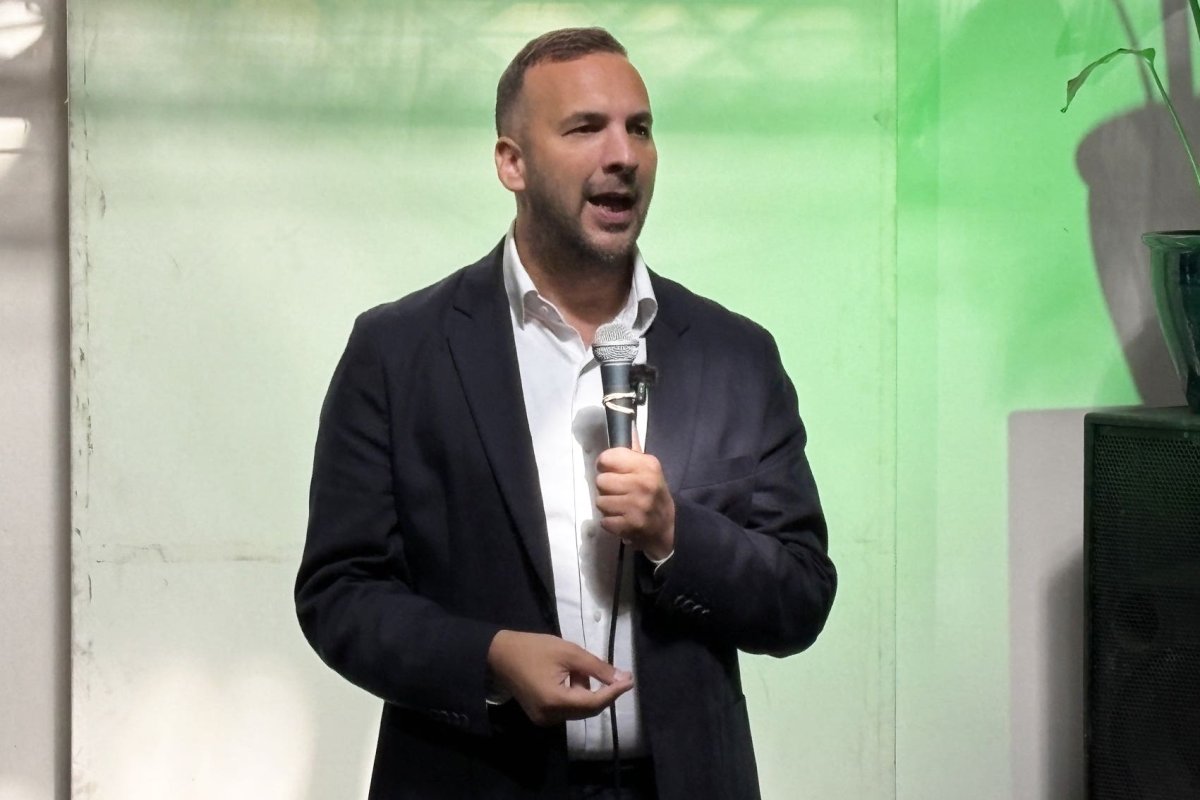
British politics has been thrown into fresh turmoil after Reform UK reported Green Party leader Zack Polanski to the police over an Instagram carousel featuring a guillotine T-shirt bearing the name "Nigel". The post, shared to his account with hundreds of thousands of followers, has ignited accusations of incitement amid the raw aftermath of a high-profile political murder. With tensions already running high across Westminster, the episode threatens to deepen divisions at a moment when public trust in political discourse is fraying.
Zack Polanski Under Fire: UK Politics Reels from Guillotine T-shirt Controversy
London, UK — Article continues...
The Incident Unfolds on Social Media
Reform UK has formally reported Green Party leader Zack Polanski to the police following his sharing of an Instagram carousel that included an image of a man wearing a T-shirt depicting a guillotine alongside the name "Nigel". The post, which referenced the XTC song "We're only making plans for Nigel", appeared among 20 images in a single carousel shared to Polanski's account with its 713,000 followers. The development comes days after the murder of former Conservative MP Ann Widdecombe, heightening sensitivities around threats directed at prominent political figures.
Polanski's Account and the Green Party Response
Polanski, who has led the Green Party of England and Wales since September 2025 and served as a London Assembly member since May 2021, stated that he was tagged in the post and accepted it without viewing the full carousel. A Green Party spokesperson confirmed that Polanski condemns the image on the T-shirt. The party emphasised that the leader clicked accept without realising there was more to the post than initially visible. This explanation forms the core of his defence amid calls for investigation into whether the share constitutes incitement.
Reform UK's Formal Complaints and Farage's Intervention
Reform UK spokesperson Yusuf posted on social media that Polanski had shared a photo calling for the beheading of Nigel Farage, describing the action as incitement to murder that must be treated seriously by the police. The party has also lodged a complaint with the monitoring officer at the Greater London Assembly, where Polanski holds an elected position. Nigel Farage himself called for Polanski's arrest, framing the T-shirt image as a direct plan for decapitation. These steps reflect Reform UK's strategy of escalating the matter through both criminal and assembly oversight channels in Westminster and local government structures.
Police Inquiries and Assembly Oversight
Police have confirmed they are conducting inquiries into the image. No arrests have been made, and the investigation remains at an early stage. The referral to the Greater London Assembly monitoring officer adds a layer of internal scrutiny for elected members, separate from criminal proceedings. Such dual reporting is common in cases involving assembly members, where conduct rules intersect with potential criminal thresholds under UK law. The timing, shortly after the Widdecombe murder, has prompted authorities to examine context around political threats with particular care.
Political Context and the Shadow of Recent Violence
The episode occurs against a backdrop of heightened tension in British politics following the murder of Ann Widdecombe, a former Conservative MP whose death has reverberated through Westminster. Nigel Farage, a central figure in Reform UK and a frequent target of political satire, has positioned the T-shirt post as crossing into direct incitement. The Green Party, traditionally focused on environmental and social justice issues, now finds its leader under scrutiny at a moment when cross-party relations in the Commons and devolved assemblies remain strained. Local councils and the Bank of England have separately noted rising public anxiety over political discourse, though no direct economic measures have been linked to this case.
The murder of former Conservative MP Ann Widdecombe occurred in early July 2026, when she was fatally attacked outside her constituency home in Maidstone, Kent, by an assailant who had previously posted online threats linked to her stance on immigration. The incident, which took place just weeks before the Reform UK complaint against Zack Polanski, has triggered a comprehensive Westminster security review led by the Parliamentary Security Department and the Metropolitan Police. MPs across parties have demanded enhanced personal protection measures, including increased funding for constituency office security and round-the-clock protection for high-profile figures. Parliamentary debates in the House of Commons have highlighted how the killing has intensified fears that political rhetoric is fuelling real-world violence, with several members citing the need for a cross-party committee to examine MP safety protocols.
This tragic event has cast a long shadow over British political discourse, prompting widespread calls for restraint in online commentary and satire. The chilling effect is evident in the reluctance of commentators to engage with certain topics, as fear of misinterpretation grows amid heightened sensitivities. Institutions such as the Independent Parliamentary Standards Authority have begun reviewing guidelines on member conduct, while the Home Office has allocated additional resources to threat assessment teams. The timing of the Polanski post, coming so soon after Widdecombe's death, has amplified scrutiny and led to urgent questions in Parliament about balancing robust debate with the prevention of incitement, underscoring a broader crisis in the tone of UK politics.
The Free Speech Debate in Contemporary UK Politics
Discussions around the limits of expression have intensified, with some commentators questioning whether sharing a carousel containing offensive imagery equates to endorsement or incitement. Others argue that the reference to a guillotine, even in jest via song lyrics, carries different weight in the aftermath of Widdecombe's killing. UK institutions, including the Supreme Court and parliamentary committees, have previously examined similar boundaries in cases involving online content. The incident highlights ongoing tensions between robust political commentary and protections against threats, particularly for figures such as Farage who maintain high public profiles across traditional and social media platforms.
The reference to the XTC song "We're Only Making Plans for Nigel" in the Instagram carousel originates from the 1979 track's satirical take on parental ambitions and societal expectations, yet its pairing with the guillotine imagery has transformed a cultural nod into a flashpoint for debates on free speech. Under UK law, the boundary between protected political satire and criminal incitement remains finely drawn, with courts often examining context, intent and audience reach. Previous cases illustrate the risks, such as the 2012 jailing of a protestor for Facebook posts urging violence during riots, or the 2021 conviction of an individual for online threats against MPs. These precedents show how social media amplification can elevate content beyond mere expression into prosecutable territory, particularly when targeting public figures like Nigel Farage.
The Online Safety Act 2023 further complicates this landscape by imposing duties on platforms to mitigate harmful content, including material that could incite violence, while preserving space for legitimate commentary. Critics argue the legislation risks over-censorship of satirical material, whereas supporters point to its role in protecting democracy from escalating threats. In the Polanski case, the tension lies in whether the carousel's acceptance constitutes reckless sharing or protected political expression, echoing ongoing parliamentary discussions about updating incitement thresholds without stifling dissent in an era of polarised discourse.
Public and Media Reaction Across the Spectrum
Media outlets from the BBC to The Guardian have dissected the controversy with varying degrees of alarm, while social media platforms buzz with competing narratives of victimhood and overreach. Reform UK supporters have rallied behind Farage, framing the episode as evidence of dangerous radicalism on the left, whereas Green Party backers insist the post was an innocent tagging mishap blown out of proportion. Commentators note that the episode has exposed fractures in how different political tribes interpret satire in the digital age, with some fearing it could chill legitimate criticism of powerful figures.
Next Steps and Potential Outcomes
Police inquiries are expected to determine whether the post meets thresholds for further action under existing legislation on incitement. The Greater London Assembly monitoring officer will separately assess any breach of member conduct rules. Reform UK has indicated it will continue pressing both avenues. Polanski's position as London Assembly member and Green Party leader remains unchanged while these processes unfold. Observers in Westminster note that similar complaints have previously led to warnings or, in rarer cases, formal sanctions, though outcomes depend on the specific evidence reviewed by authorities. The episode underscores the challenges facing political leaders navigating rapid social media interactions in a charged national environment.
Potential legal avenues include section 4A of the Public Order Act 1986, which addresses intentional harassment or distress through threatening behaviour, the Communications Act 2003 for sending grossly offensive messages via electronic means, and the Malicious Communications Act 1988 for content intended to cause anxiety or distress. Police inquiries, now underway, will assess whether the post meets the threshold for these offences, with early-stage investigations typically involving digital forensics and witness statements. Outcomes could range from no further action to formal charges, depending on evidence of intent. The Greater London Assembly monitoring officer referral may trigger an internal conduct review, potentially leading to sanctions such as censure or suspension if breaches of the code of conduct are found.
Historical precedents for GLA monitoring officer complaints against assembly members show mixed results, with some cases resulting in warnings and others escalating to full investigations lasting several months. Timeline expectations suggest police could conclude initial inquiries within four to six weeks, though complex social media cases often extend longer due to the need for expert analysis. Should charges proceed, court proceedings might not commence until early 2027, allowing time for both criminal and assembly processes to unfold in parallel while maintaining public confidence in institutional responses.
By Erica Thornton, Staff WriterThis article was produced with AI-assisted research and editorial support. Reporting is based on sources cited in the article.
What's Your Reaction?
 Like
0
Like
0
 Dislike
0
Dislike
0
 Love
0
Love
0
 Funny
0
Funny
0
 Wow
0
Wow
0
 Sad
0
Sad
0
 Angry
0
Angry
0

US Politics and Policy Correspondent at Global1.News. Based in Washington DC, covering American politics, policy, elections, and the courts. Knows how the system works and tells you what it actually means.











Comments (0)