
How Much Does Playing in the World Cup Pay? Inside the Record $871 Million Prize Pool
The 2026 World Cup has landed with a thunderclap that echoes far beyond the pitches, thanks to a record $871 million prize pool that has every nation dreaming bigger than ever before. This massive windfall, more than double the 2022 total, is reshaping how we talk about the beautiful game right here in South Africa and across the continent. Broadcasters and sponsors have respon
The 2026 World Cup has landed with a thunderclap that echoes far beyond the pitches, thanks to a record $871 million prize pool that has every nation dreaming bigger than ever before. This massive windfall, more than double the 2022 total, is reshaping how we talk about the beautiful game right here in South Africa and across the continent. Broadcasters and sponsors have responded with unprecedented investment, creating new pathways for development that reach even the smallest federations.
World Cup Riches Explode: $871 Million Prize Pool Lights Up 2026 Tournament
Johannesburg, South Africa – This July — The money on offer this year has turned the tournament into something truly special, with every team already guaranteed at least $12.5 million just for showing up. That base includes $10 million for qualifying and another $2.5 million for preparation, giving smaller nations a real shot at building for the future. The 48-team format added 16 extra group matches, directly boosting television rights and sponsorship revenue by 65 percent over Qatar 2022 levels when the pool stood at just $440 million.
Local broadcasters such as SuperSport have capitalised on the expanded schedule, beaming every match live to South African audiences through MultiChoice platforms. This commercial surge has not gone unnoticed by the SA Sports Ministry, which sees the figures as proof that sustained investment can lift African football onto the global stage.
The Full $871 Million Prize Money Breakdown
Let us break down exactly where the cash flows. The champions walk away with $50 million, while the runners-up pocket $33 million. Third place earns $29 million. Each of the quarterfinalists receives $19 million, the round-of-16 sides get $15 million apiece, and teams reaching the round of 32 collect $11 million. Even those exiting at the group stage still receive $9 million. This structure rewards progress while ensuring broad participation, a direct result of the expanded 48-team format that has boosted TV rights and sponsorship deals by 65 percent over 2022 levels.
The commercial growth behind these figures is impossible to ignore. Broadcasters and global brands have poured resources into the expanded tournament, creating opportunities that trickle down to development programs everywhere. SAFA officials have already begun modelling how similar revenue streams could support the MultiChoice Diski Challenge and other youth pathways if Bafana Bafana return to the global stage.
Argentina's Stunning 3-2 Comeback Against Egypt
Yesterday's round-of-16 thriller between Argentina and Egypt showed exactly why this World Cup feels different. Egypt led 2-0 through goals from Yasser Ibrahim in the 15th minute and Mostafa Ziko in the 67th, yet Argentina mounted a breathtaking comeback with strikes in the 79th, 89th, and stoppage time. Argentina had never before come from two goals down to win a World Cup knockout match, making the victory historically significant.
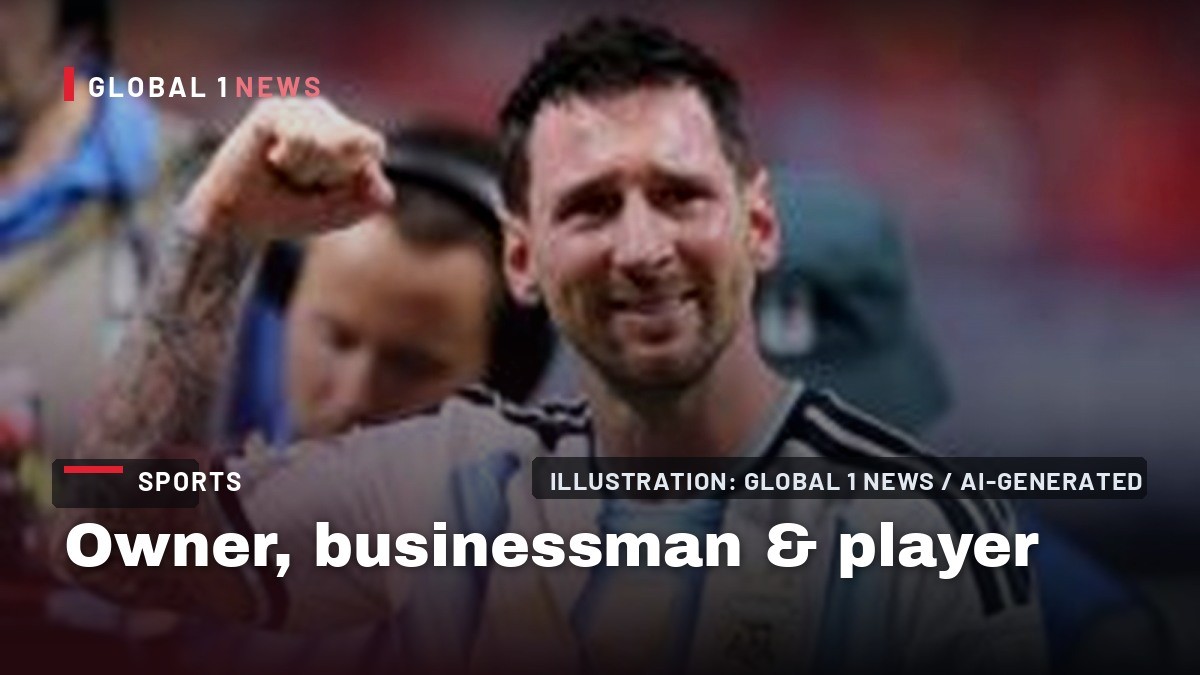
Lionel Messi had a first-half penalty saved by Egyptian goalkeeper Mostafa Shobeir, while Egypt saw a second goal disallowed by VAR for a foul in the buildup. Cristian Romero scored Argentina's first goal in the 79th minute with a header from a cross. Messi equalised in the 89th minute before Enzo Fernandez delivered the winner in stoppage time. Messi now sits on 21 career World Cup goals, including eight in this edition alone across six tournaments.
48-Team Format Drives Commercial Explosion
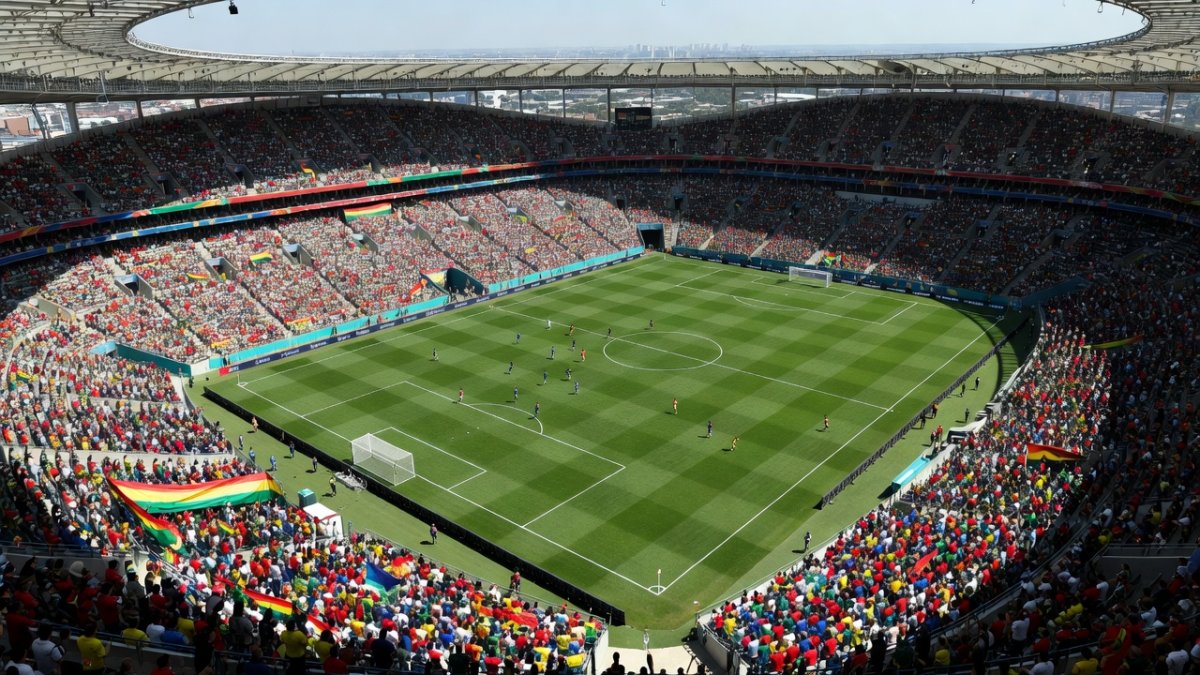
The move to 48 teams has transformed the economics of the tournament. More matches mean more broadcast hours, more sponsorship activations, and deeper engagement from markets that once felt on the outside looking in. This week the numbers speak for themselves as the total pool hit that eye-watering $871 million mark, a 65 percent jump that rewards the expanded calendar and the global appetite for football.
Every additional game creates new storylines and revenue streams that benefit confederations and clubs alike. South African viewers have benefited directly as SuperSport carries the full slate, allowing fans to follow the financial implications in real time.
African Football Development Gains Momentum
Across the continent the impact is already visible. Morocco's presence in the quarterfinals against France proves that African sides can compete at the highest level when given proper resources. The prize money flowing to teams that advance further will fund academies, coaching education, and infrastructure projects that were once pipe dreams. This tournament is accelerating the growth of the game in places where passion has always outstripped facilities.
SAFA has pointed to Morocco's run as a blueprint, urging the SA Sports Ministry to increase grassroots funding so that Bafana Bafana can one day replicate such progress. The record pool serves as both carrot and benchmark for federations still rebuilding after years of limited international exposure.
South African Perspective Through Bafana and SuperSport
Back home Bafana Bafana may not have qualified, yet South African fans remain glued to their screens via SuperSport. Bafana have not reached a World Cup since hosting in 2010 and last qualified on merit in 2002, a drought that has tested SAFA's development strategies. The MultiChoice Diski Challenge continues to serve as a vital pathway, but administrators acknowledge that consistent qualification remains the ultimate goal.
The record prize pool serves as both inspiration and reminder that consistent investment at grassroots level can one day deliver similar rewards for our own national team. Local supporters know the value of these moments, even when watching from afar, and many hope the SA Sports Ministry will use the 2026 spectacle to accelerate long-term planning.
Quarterfinal Lineup Promises Drama
Tonight and over the coming days the quarterfinals deliver mouth-watering ties. France faces Morocco, Spain takes on Belgium, Norway meets England, and Argentina awaits the winner of Switzerland against Colombia. Each clash carries massive financial implications, with quarterfinalists already assured $19 million and potential semifinal runs pushing those figures even higher.
What to Watch For in the Quarterfinals
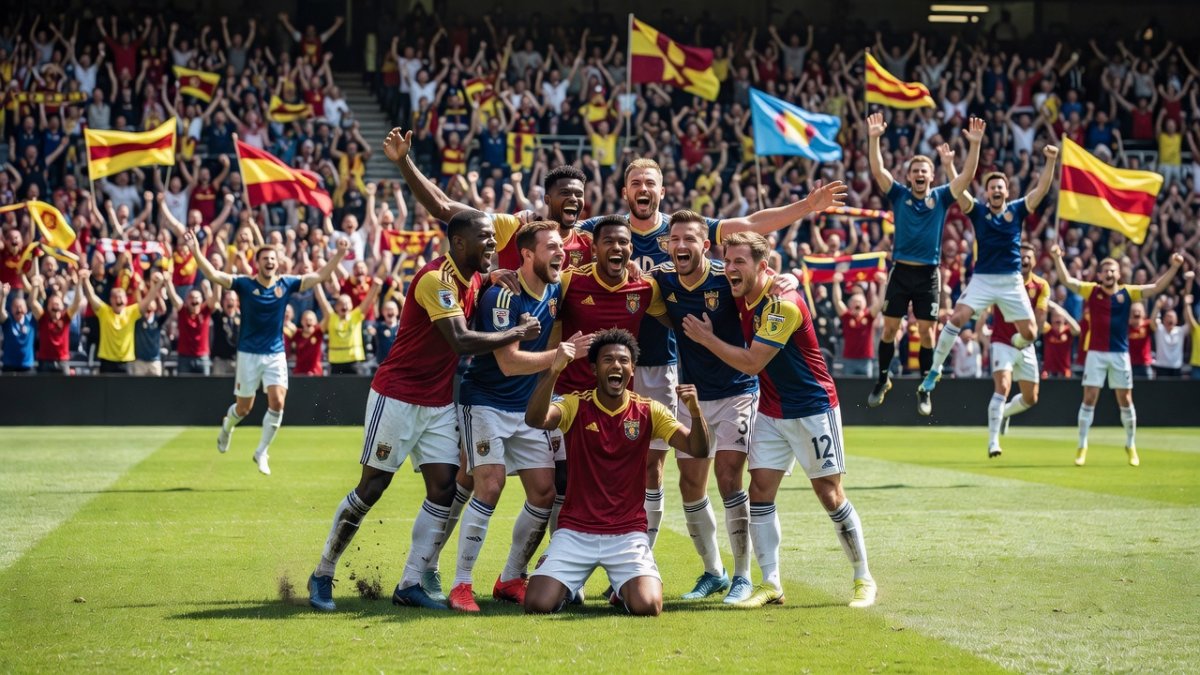
Attention now turns to the specific quarterfinal schedule that will shape the tournament's financial and sporting legacy. Morocco face France on July 9 in Boston, a matchup that pits African ambition against European pedigree. Spain versus Belgium follows on July 10 in Los Angeles, while Norway meets England on July 11 in Miami. Argentina will play the Switzerland-Colombia winner on July 12 in Kansas City.
Each tie offers distinct tactical stories and revenue implications. Morocco's run has already electrified African supporters watching on SuperSport, while Argentina's dramatic comeback has set expectations for another Messi masterclass. Fans across South Africa will be tracking how far these sides progress and what the resulting prize money could mean for global development funds.
What This Means for South African Sports Fans
For South African sports fans the implications stretch well beyond the final whistle. The expanded prize pool highlights how global football can support local growth when federations plan wisely. Watching these matches on SuperSport reminds us of the work still needed at SAFA to build a competitive Bafana side capable of reaching these later stages. The money on offer this year could inspire a new generation of players and administrators to chase excellence with renewed energy.
In the end, the 2026 World Cup is proving that football's biggest stage now carries rewards that can transform entire programs, and South Africa must position itself to benefit from that wave. With Bafana's next qualification cycle already underway, the lessons from this expanded tournament could prove decisive for future cycles.
By Dante Williams, Staff WriterThis article was produced with AI-assisted research and editorial support. Reporting is based on sources cited in the article.
What's Your Reaction?
 Like
0
Like
0
 Dislike
0
Dislike
0
 Love
0
Love
0
 Funny
0
Funny
0
 Wow
0
Wow
0
 Sad
0
Sad
0
 Angry
0
Angry
0

Breaking News and Investigations Correspondent at Global1.News. Based in London, covering global breaking news, security, and investigative stories. Known for digging deeper and connecting the dots across continents.










Comments (0)