
Chile Captures Last Victor Jara Killer Nelson Haase Mazzei
A gripping DW News video exposing Colonia Dignidad as a secret Pinochet-era torture center has stirred fresh outrage across Chile, arriving just weeks before police finally cornered the last...
A gripping DW News video exposing Colonia Dignidad as a secret Pinochet-era torture center has stirred fresh outrage across Chile, arriving just weeks before police finally cornered the last fugitive tied to Victor Jara’s 1973 murder. The arrest of retired colonel Nelson Haase Mazzei brings long-delayed closure to one of Latin America’s most haunting human-rights cases. It also reminds the world that justice can still reach those who once believed they would never be held accountable.
Chile Closes Final Chapter on Victor Jara Killing
Santiago, Chile — Article continues...
Breaking Development in Southern Chile
The PDI detained retired army colonel Nelson Haase Mazzei on a Tuesday morning in rural Puyehue, southern Chile, ending his flight from a 25-year sentence for the 1973 homicide and qualified kidnapping of folk singer Victor Jara and Communist Party official Littre Quiroga. The arrest occurred weeks after a DW News video detailed how Colonia Dignidad operated as a secret torture center during the Pinochet years, underscoring the continuing reach of those networks into the present. With this detention, every individual convicted in the Jara case is now either deceased or in custody, closing a legal file that began more than five decades ago.
Details of the Operation in Puyehue
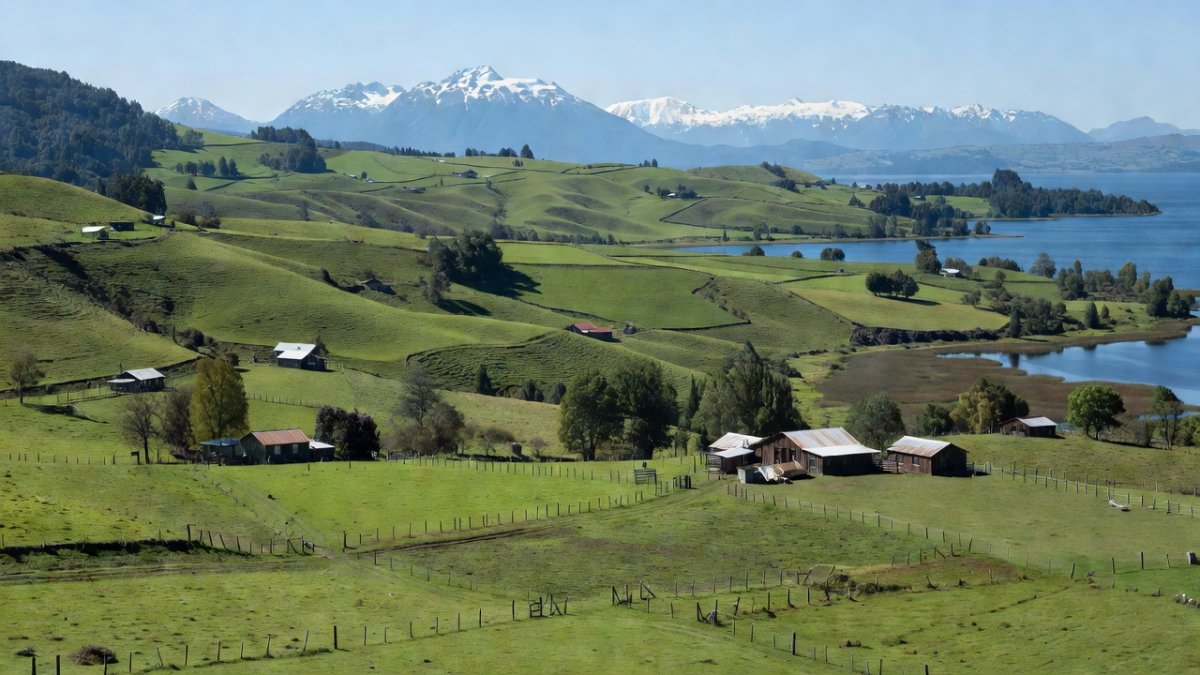
PDI officers surrounded a modest farmhouse outside Puyehue after receiving a tip from local residents who recognized the 78-year-old former colonel from circulated photographs. Haase offered no resistance and was flown to Santiago the same afternoon for processing at the PDI headquarters.
Victor Jara's Final Days After the Coup
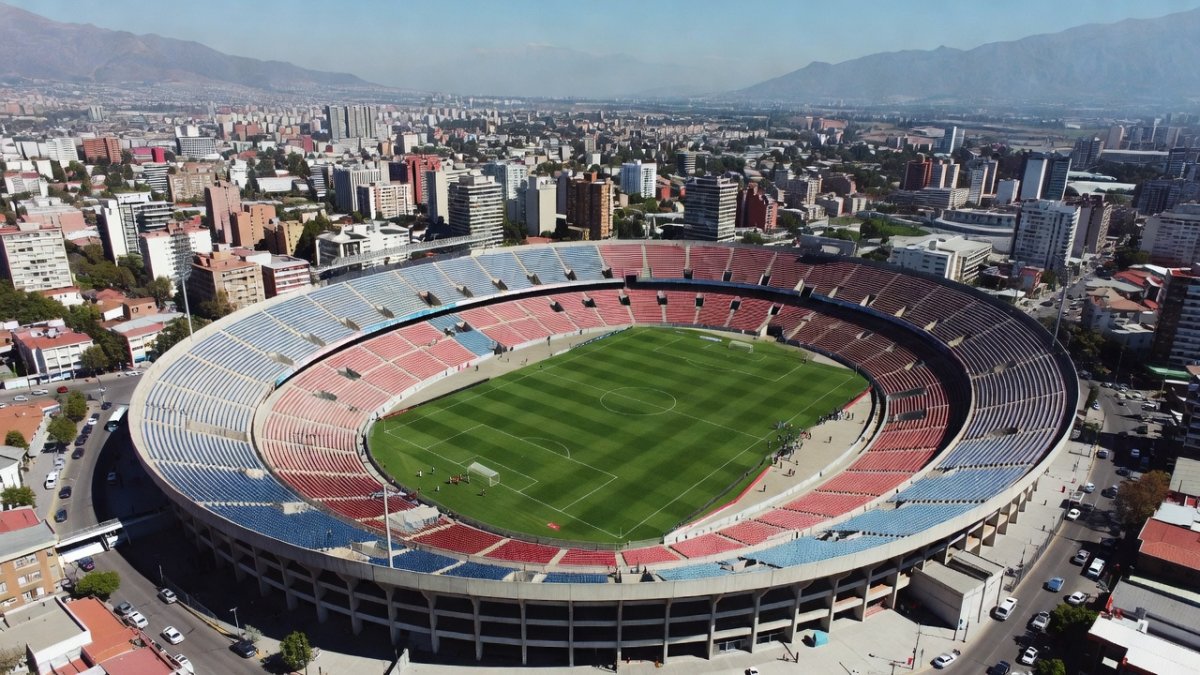
Victor Jara, then 40 and a world-renowned theater director and member of the Communist Party, was arrested at the State Technical University on the day of the 1973 military coup. He was taken to Chile Stadium, later renamed Victor Jara Stadium, where he endured repeated torture before being shot 44 times five days later. His body was left at the stadium entrance as a warning to others. Victor Jara, born in 1932 in Lonquén, Chile, rose from rural poverty to become a central figure in the Nueva Canción Chilena movement, composing over 200 songs that blended folk traditions with social commentary. His international fame grew through European tours in the late 1960s and early 1970s, where he performed alongside artists like Pete Seeger and recorded albums that reached audiences in Spain, France, and the United States. In the days after the September 11, 1973, military coup, Jara was detained at the Estadio Chile in Santiago, a venue holding up to 5,000 prisoners, where he continued singing "Venceremos" to fellow detainees before guards broke his hands and killed him with 44 bullets on September 16. His cultural significance endures through works such as "Te Recuerdo Amanda" from 1969, which highlighted working-class struggles, and "El derecho de vivir en paz," written in solidarity with Vietnam. Decades later, the stadium was renamed Estadio Víctor Jara in 2003, and his widow Joan Turner documented the events in her 1974 book "Víctor: An Unfinished Song." These details underscore how Jara's final hours transformed a sports arena into a symbol of repression while cementing his role as a voice for Latin American workers. The Pinochet dictatorship that followed left 3,200 documented victims of execution, disappearance, or torture before Chile's return to democracy in 1990.
Haase's Conviction and Flight
In 2023 a Chilean court sentenced Haase to 25 years and two days for his role in the homicides and qualified kidnappings of Jara and Quiroga. He failed to report to prison and remained at large until the Puyehue operation. Prosecutors established that Haase, then a young army officer, participated directly in the stadium detentions and subsequent executions, evidence corroborated by survivor testimony and military records released during Chile's post-dictatorship truth commissions.
Human Cost for Families and Communities
Joan Jara, the singer's widow, and their daughters have waited through decades of court filings, exhumations, and appeals for this moment of accountability. In Santiago's working-class neighborhoods where Jara's songs still echo at community gatherings, residents describe the capture as both relief and reminder of the dictatorship's reach into everyday life. Similar stories of waiting families appear across Chile, Argentina, and Uruguay, where relatives of the disappeared continue to press for closure. Chilean families have pursued justice across generations, with Víctor Jara's daughter Amanda Jara leading efforts that resulted in the 2018 conviction of eight former military officers for his murder. Amnesty International has tracked these cases since 1973, issuing reports that documented over 3,000 disappearances and providing legal support to relatives testifying in Santiago courts. The Chilean Museum of Memory and Human Rights, opened in 2010 in Santiago, houses 1,200 artifacts from the dictatorship era, including Jara's guitar, and hosts annual exhibits attended by thousands of visitors seeking closure. Artists today, such as Chilean singer-songwriter Ana Tijoux, cite these ongoing trials as inspiration for their work addressing state violence, while groups like the Association of Relatives of the Detained-Disappeared maintain weekly vigils in Santiago's Plaza de la Constitución. Data from the museum shows that 40 percent of its 300,000 annual visitors are under 30, reflecting how the human cost passes to younger generations still awaiting full accountability for crimes committed nearly 50 years ago.
Colonia Dignidad and the Wider Torture Network
The DW News report on Colonia Dignidad, the German agricultural colony turned interrogation site, illustrates how Haase's unit operated within a larger system of secret prisons. Former prisoners have testified that detainees from the stadium were sometimes transferred to such remote locations for further abuse. The video's timing, just weeks before the arrest, has renewed public discussion in Chile about the unfinished work of identifying all perpetrators who benefited from those hidden facilities.
Meaning for Latin American Accountability
For readers across Latin America, the capture demonstrates that sustained judicial pressure can still produce results long after a dictatorship ends. Mexico's own experiences with forced disappearances during its dirty war, along with ongoing cases in Colombia and Peru, show that the Chilean model of specialized human-rights courts offers one path forward. The fact that every convicted participant in Jara's murder is now accounted for strengthens arguments for similar specialized units elsewhere in the region. This arrest sets a precedent by demonstrating that even decades after the fact, extradition and prosecution remain possible, much like Argentina's 1985 trial of the juntas that convicted five former leaders for crimes during the 1976-1983 dictatorship. In Peru, the 2001 Truth and Reconciliation Commission documented 69,000 deaths and led to the 2009 conviction of former president Alberto Fujimori, showing how regional mechanisms can address systematic abuses. Mexico's ongoing cases of over 100,000 forced disappearances since 2006 highlight persistent challenges, yet Chile's action against Nelson Haase offers a model for cross-border cooperation. Human rights observers note that such outcomes encourage similar pursuits in countries like Colombia and Brazil, where military-era cases remain unresolved. The precedent strengthens calls for updated extradition treaties, as seen in recent Inter-American Court rulings that have pressured governments to reopen files from the 1970s and 1980s.
Next Steps in the Chilean Courts
Haase will face formal sentencing confirmation hearings in Santiago within the coming weeks. Legal observers expect defense motions citing age and health, yet prosecutors have signaled they will seek immediate incarceration given the gravity of the original crimes. Civil society groups plan public vigils at Victor Jara Stadium to mark the end of the fugitive phase and to honor the 3,200 victims whose cases remain partially unresolved.
By Rosa Martinez, Staff WriterThis article was produced with AI-assisted research and editorial support. Reporting is based on sources cited in the article.
What's Your Reaction?
 Like
0
Like
0
 Dislike
0
Dislike
0
 Love
0
Love
0
 Funny
0
Funny
0
 Wow
0
Wow
0
 Sad
0
Sad
0
 Angry
0
Angry
0

Latin America/Andes Correspondent at Global1.News. Based in Bogota, covering politics, environment, energy, and social movements across the Andean region. Passionate about environmental journalism and communities protecting their land.














Comments (0)