
US and Iran Pause Strikes Third Day, Trump Signals Diplomacy
In a recent BBC News report, the United States and Iran entered a third consecutive day without exchanging military strikes, as President Donald Trump announced that "very friendly negotiations" were underway. The pause, which began on Friday at the request of mediating countries, has raised cautious hopes of a return to diplomacy after nearly two weeks of escalating hostilities that unravelled the ceasefire signed in June.
In a recent BBC News report, the United States and Iran entered a third consecutive day without exchanging military strikes, as President Donald Trump announced that "very friendly negotiations" were underway. The pause, which began on Friday at the request of mediating countries, has raised cautious hopes of a return to diplomacy after nearly two weeks of escalating hostilities that unravelled the ceasefire signed in June. While Trump expressed optimism that "something could happen", Tehran has denied that any direct talks are taking place, leaving the diplomatic path uncertain.
US and Iran Hold Fire for Third Day as Trump Signals Openness to Talks
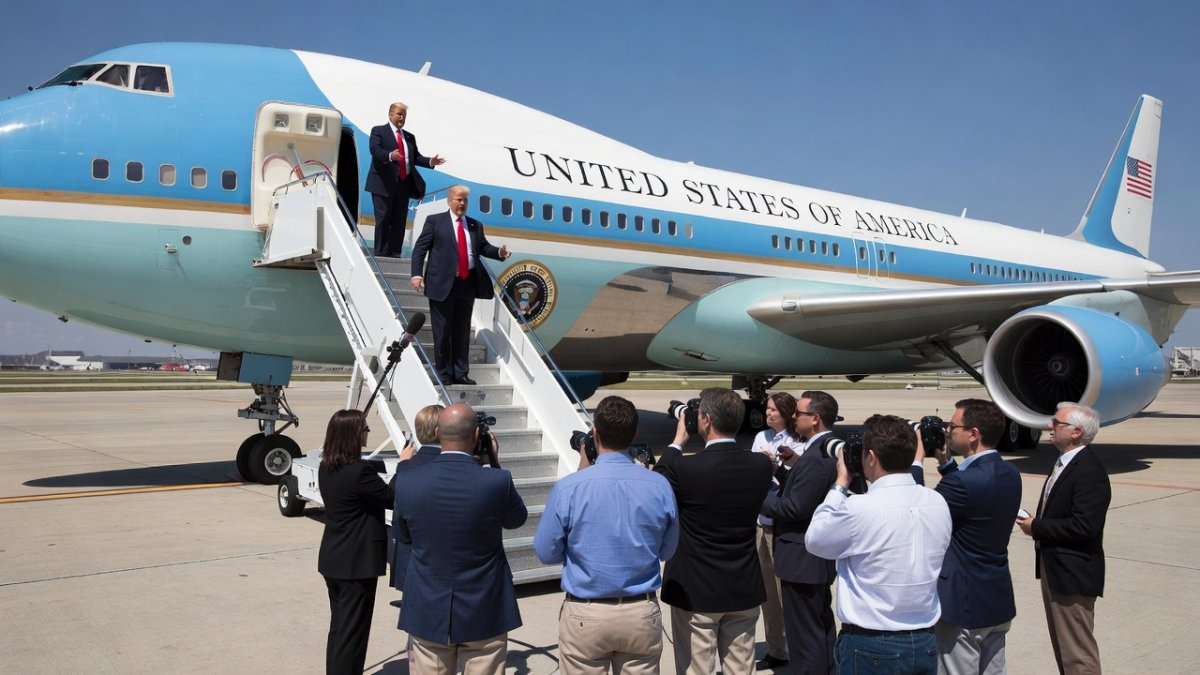
Washington, DC – 28 July 2026 — The United States and Iran observed a third straight day without exchanging military strikes on Monday, as President Donald Trump said he had paused the bombing campaign to give diplomacy an opportunity to succeed. Speaking to reporters aboard Air Force One, Trump said "there are very friendly negotiations going on" about the conflict and expressed optimism for a resolution. "I think there's a good chance that something could happen," he said, while warning that Washington would "go back to doing what we were doing" before the pause if the negotiations failed. Tehran, however, has denied that any direct talks between the two sides are taking place.
A Fragile Pause After Weeks of Escalation
The pause, which began on Friday, follows nearly two weeks of daily US strikes against Iranian targets and tit-for-tat attacks that effectively unravelled the ceasefire agreement reached in June. Trump said he had decided to halt the strikes because the countries mediating between Washington and Tehran had asked him to give the talks another chance. Iran has also halted its retaliatory attacks, an Iranian army spokesperson confirmed on Sunday. The US ambassador to the UN said the pause was intended to "make space" for diplomatic efforts, though no formal framework for negotiations has been announced. The lull comes after some of the heaviest exchanges since the war began in February, raising questions about whether both sides are genuinely prepared to return to the negotiating table or merely regrouping for the next phase of the conflict.
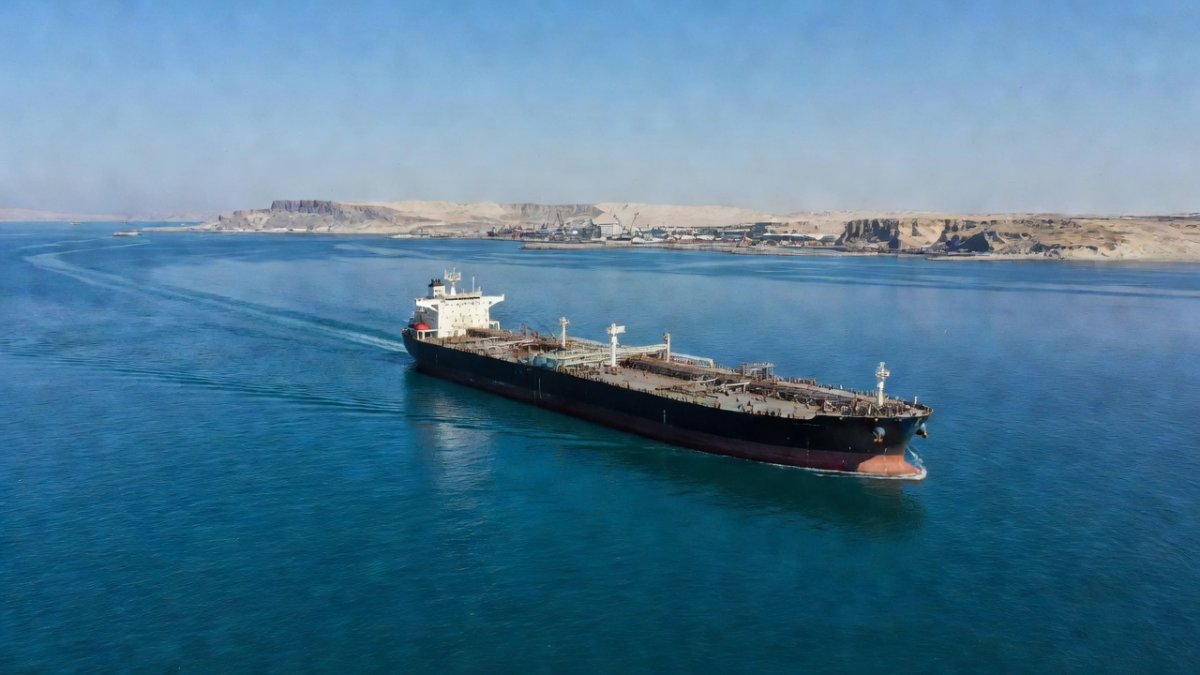
The United States military has said its strikes were aimed to "degrade Iran's ability to threaten commercial shipping in the Strait of Hormuz" — the strategically vital waterway through which approximately one-fifth of the world's oil passes. The campaign, known as Operation Epic Fury, has targeted Iranian naval assets, missile batteries, and coastal defence systems along the Persian Gulf and the Gulf of Oman. According to US Central Command, the strikes have significantly reduced Iran's capacity to disrupt maritime traffic, though Iranian forces have continued to launch attacks using drones and small boats. An Iranian army spokesperson said on Sunday that Tehran had halted "retaliatory" attacks in the region in response to the US pause. The statement was notable for its carefully measured language — neither confirming direct talks nor ruling them out entirely. Iranian foreign ministry spokesman Esmail Baghaei confirmed that Iran and Oman held several rounds of technical talks in Tehran on Friday and Saturday to discuss management of the Strait of Hormuz, though he framed these as separate from any broader negotiations with Washington.
Oil Markets Respond to Diplomatic Signals
The pause in hostilities sent immediate ripples through global energy markets. The price of Brent crude oil fell by more than 9 per cent on Monday, dropping to $87.59 a barrel at one point, as traders priced in the possibility of de-escalation and the reopening of the Strait of Hormuz to normal commercial shipping. The drop provided some relief to consumers and import-dependent economies that have been grappling with elevated energy costs since the war began in February. However, analysts caution that the rally in oil prices could resume just as quickly if the pause collapses and fighting resumes. The Strait of Hormuz has been at the centre of the conflict from the outset. The US and Israel launched their initial strikes against Iran on 28 February, triggering a cycle of retaliation that has drawn in regional actors and disrupted global trade routes. In June, Iran and the United States signed a memorandum of understanding to stop military operations and reopen the waterway, as well as to reach a comprehensive agreement to end the war over the following 60 days. But the deal proved fragile. On 13 July, Iranian forces attacked tankers in the Strait of Hormuz, prompting Washington to resume air strikes against Iran and reinstate its naval blockade of the country's ports. Tehran retaliated with attacks on US military facilities and bases across the Middle East, killing four American soldiers. The US strikes have since killed dozens of people, according to Iran's health ministry.
Military Readiness Debate Intensifies
Aboard Air Force One, Trump dismissed media reports that after five months of intensive combat operations, US ammunition stockpiles were running low. "We have a lot of ammunition. We have a lot of the mid-level stuff too, more than we could ever use, no matter what," the president said. "But we have a lot. I'd like to have more." He added that a "lot of equipment" was being built, in particular Patriot anti-ballistic missiles — among the US military's most valued defensive systems. "That system is going up. We have a lot," Trump said. White House spokesperson Anna Kelly reinforced the president's message, stating that the US military "has more than enough munitions, ammo, and stockpiles to serve all of President Trump's strategic goals and beyond, and Operation Epic Fury has exposed what happens when you mess with the United States." She added that the president had urged defence contractors to "constantly produce more made-in-America weapons, which are the best in the world." The statements came amid growing scrutiny of the Pentagon's inventory levels and the sustainability of a prolonged air campaign against a determined adversary with significant defensive capabilities, raising deeper questions about the long-term costs of the conflict even as the tactical pause holds.
Regional and International Dimensions
Beyond the immediate US-Iran standoff, the conflict has drawn in a widening circle of regional and international actors. Ukraine has dismissed Iranian threats of retaliation following Kyiv's targeting of an Iranian cargo vessel in the Caspian Sea on Saturday, adding a new dimension to the crisis. The incident highlights how the US-Iran war has created overlapping theatres of confrontation that extend well beyond the Persian Gulf. Ukraine's willingness to strike Iranian assets reflects the growing interconnection between the Middle East conflict and the war in Eastern Europe, with both Iran and Russia deepening their military cooperation in recent months. The conflict has also taken a heavy toll on US military personnel. More than 600 US service members have been injured since the war began in February, according to Pentagon figures cited in BBC reporting — a number that underscores the intensity of the Iranian retaliation, which has included missile and drone attacks on US bases in Gulf states and Israel. The human cost on the Iranian side has been substantial as well, with dozens killed in US strikes, according to Iran's health ministry. Meanwhile, Iran's regional proxies — including Hezbollah in Lebanon and various militias in Iraq and Syria — have maintained a heightened state of alert, though none have escalated their own operations during the current pause, suggesting they are awaiting Tehran's direction.
The Role of Mediating Countries in Sustaining the Pause
Mediating countries played a decisive role in securing the current pause, with Trump explicitly stating that their requests prompted him to halt strikes on Friday. These nations have urged both Washington and Tehran to use the window for substantive discussions rather than renewed confrontation. The US ambassador to the UN emphasised that the pause creates necessary space for diplomacy, while Iranian foreign ministry spokesman Esmail Baghaei highlighted the technical talks with Oman as evidence of ongoing regional engagement. An Iranian army spokesperson reiterated that Iran has halted retaliatory actions during this period. Such coordinated restraint from mediators underscores the broader Middle East dynamics at play, where stability in the Strait of Hormuz directly influences energy flows and regional security arrangements involving multiple Gulf states.
Analysis — Diplomacy at a Crossroads and Broader Geopolitical Implications
The current pause represents the most significant diplomatic opening since the breakdown of the June ceasefire, but the path forward remains deeply uncertain. Trump's stated willingness to negotiate contrasts sharply with Tehran's public denial that any direct talks are taking place. The technical talks between Iran and Oman in Tehran suggest that backchannel communication is occurring, but whether this can translate into a formal negotiating framework is far from clear. The mediating countries — understood to include Oman, which has historically served as an interlocutor between Washington and Tehran — face a formidable challenge in bridging the two sides' positions. For the Kremlin and other global powers watching from the sidelines, the US-Iran conflict presents both risks and opportunities. A prolonged war in the Persian Gulf keeps oil prices elevated, benefiting Russia as a major energy exporter while straining Western economies. But an uncontrolled escalation — particularly one that draws in Iran's proxies or triggers a broader regional confrontation — could destabilise energy markets in ways that hurt all parties. As the third day of quiet passes, the question is not simply whether talks will happen, but whether either side is prepared to make the compromises necessary for a durable peace. Trump's warning that he will "go back to doing what we were doing" puts the onus squarely on Tehran to engage meaningfully, even as Iranian leaders face their own domestic pressures to resist appearing to capitulate to American demands. The next 48 to 72 hours will be critical in determining whether this pause becomes the foundation for renewed diplomacy or merely a brief interlude before the next round of escalation. With oil markets watching every signal and regional powers positioning themselves for either outcome, the stakes could hardly be higher. This development also carries significant implications for global stability, as any resolution or renewed conflict in the Strait of Hormuz could reshape energy security across Europe and Asia, influencing Russia's strategic calculations in the wider Middle East.
By Irina Volkov, Staff Writer
This article was produced with AI-assisted research and editorial support. Reporting is based on sources cited in the article.
What's Your Reaction?
 Like
0
Like
0
 Dislike
0
Dislike
0
 Love
0
Love
0
 Funny
0
Funny
0
 Wow
0
Wow
0
 Sad
0
Sad
0
 Angry
0
Angry
0
Russia/Eastern Europe Correspondent at Global1.News. Covering Russian politics, energy, security, and the shifting dynamics of the post-Soviet space. Provides clear-eyed analysis on one of the world's most opaque regions.












Comments (0)