
Koppal PUBG Tragedy Exposes Gaps in India's Digital Addiction Response
In the early hours of June 7, 2026, an 18-year-old resident of Ayodhya village in Gangavathi taluk, Koppal district, Karnataka, fatally stabbed his father and elder sister before critically injuring his mother and attempting suicide, with police confirming PUBG addiction as the primary trigger after repeated family restrictions on gameplay. This case aligns directly with the Ec
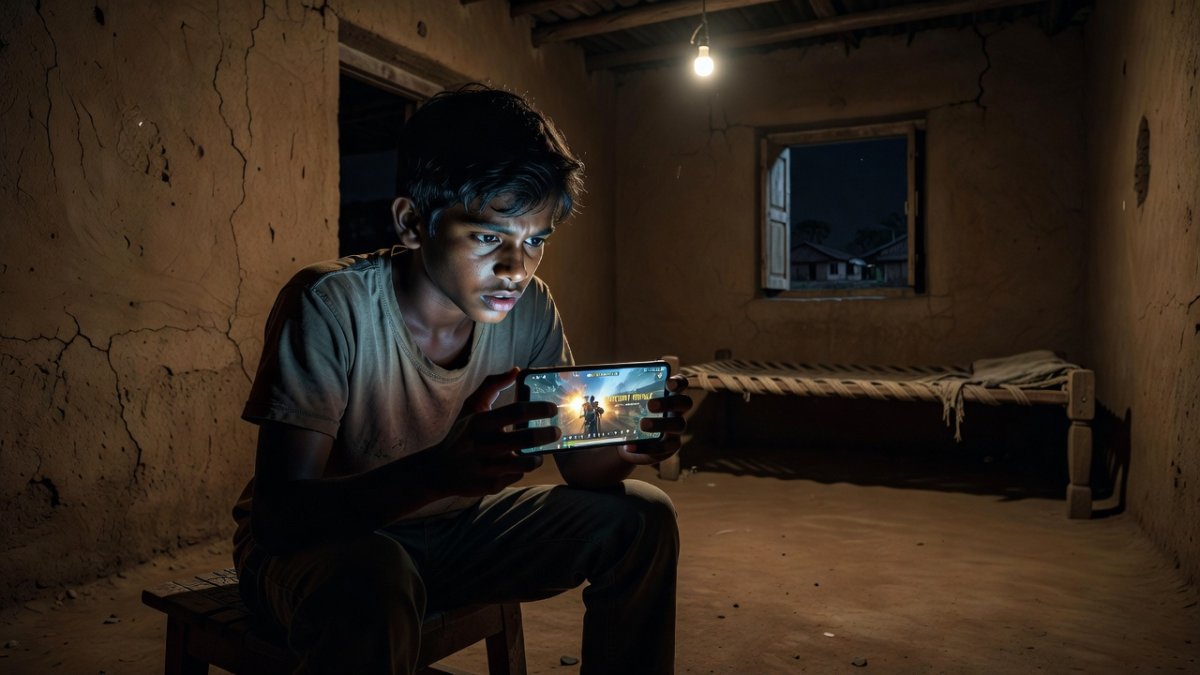
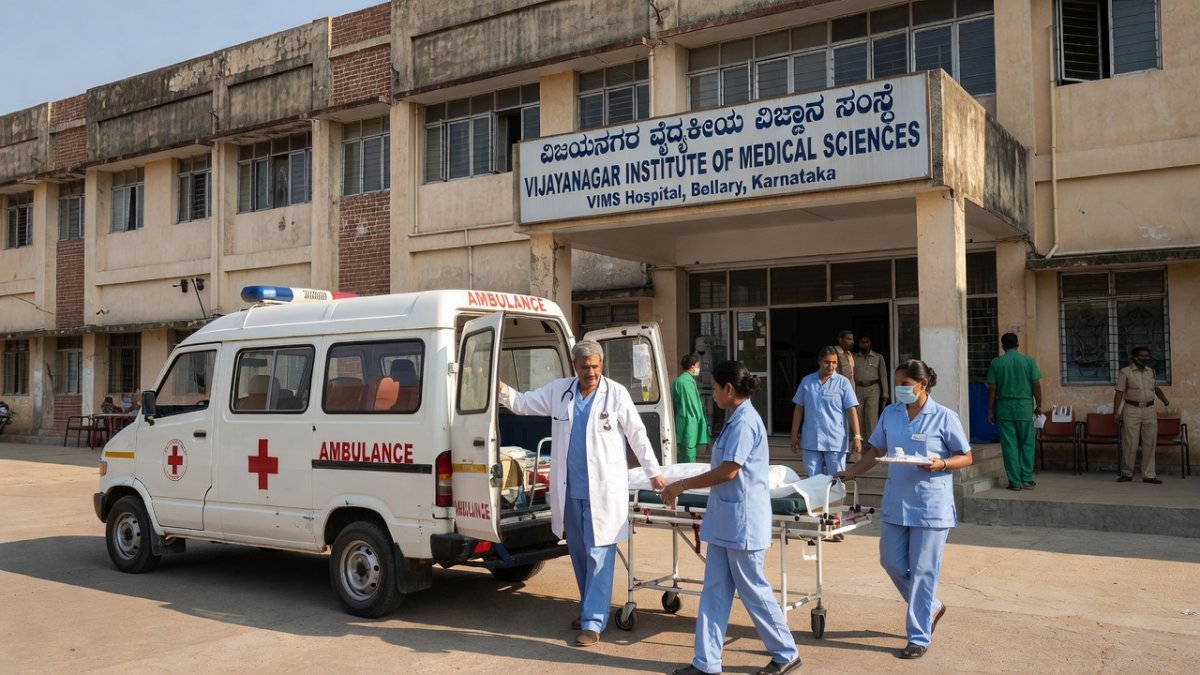
Koppal Tragedy Exposes Gaps in India's Digital Addiction Response: From Gaming Disorder to Family Violence Koppal, Karnataka – June 7, 2026 — The incident at VIMS Hospital in Bellary, where the surviving mother and the perpetrator remain under treatment, has intensified scrutiny on unregulated mobile gaming platforms across rural Karnataka.
The Koppal Incident and Immediate Health Response
The 18-year-old attacked family members with a knife after disputes over his excessive PUBG sessions on Battlegrounds Mobile India. His father and sister died at the scene, while his mother sustained multiple stab wounds. Both survivors are receiving care at VIMS Hospital, Bellary, under protocols for trauma and psychiatric evaluation.
Digital Addiction Classified as Public Health Crisis
The Economic Survey 2025-26, tabled in Parliament on January 29, 2026, explicitly linked excessive screen time to anxiety, depression, sleep deprivation, and declining academic outcomes among children and adolescents. WHO's ICD-11 classification of Gaming Disorder (6C51) as a mental health condition provides the clinical framework now being applied in Indian hospitals.
Regulatory Measures Under the 2025 Gaming Act
The Promotion and Regulation of Online Gaming Act, effective since May 1, 2026, prohibits real-money wagering features and restricts addictive design elements in games. However, enforcement remains limited in districts like Koppal, where access to unregulated versions of PUBG continues unchecked through informal networks.
NIMHANS Data and Evidence-Based Interventions
NIMHANS in Bengaluru operates a dedicated Technology Use Clinic for digital addiction cases among teenagers. Its 2026 study demonstrated that 15 minutes of daily yoga reduced gaming addiction risk by 47 percent in participating adolescents. The ongoing National Mental Health Survey 2 (NMHS-2), covering all states and union territories, is expected to quantify the scale of gaming-related disorders for targeted policy responses.
Implications for Indian Healthcare and Education Systems
For families in rural Karnataka and similar regions, the absence of school-based screening programs and limited access to NIMHANS-style clinics leaves adolescents vulnerable. Taxpayers fund expanding mental health infrastructure, yet integration with education departments in states like Karnataka remains fragmented compared to exploratory social media restrictions under consideration in Andhra Pradesh and Goa.
The Bottom Line
The Koppal double murder-suicide attempt illustrates how untreated gaming disorder, flagged in the Economic Survey 2025-26 and addressed partially by the 2025 Gaming Act, can escalate to fatal violence. With NIMHANS data showing a 47 percent risk reduction through simple yoga interventions and NMHS-2 underway nationwide, India must accelerate integration of digital addiction screening into primary healthcare and school systems to protect its youth population. — By Dr. Raj Patel, Staff Writer
This article was produced with AI-assisted research and editorial support. Reporting is based on sources cited in the article.
What's Your Reaction?
 Like
0
Like
0
 Dislike
0
Dislike
0
 Love
0
Love
0
 Funny
0
Funny
0
 Wow
0
Wow
0
 Sad
0
Sad
0
 Angry
0
Angry
0

Caribbean Correspondent at Global1.News. Based in Port of Spain, Trinidad, covering Caribbean politics, economy, energy, climate, and culture. Amplifying the voices and stories of the Caribbean region.















Comments (0)