
Palestinian Teen Footballer Killed in Israeli Settler Attack
In footage from the Middle East Eye YouTube video, mourners line the streets of Ramallah as the funeral procession for 17-year-old Fadi Hamdallah al-Naasan moves slowly through the crowd, with family members and teammates visible among those carrying his coffin.
In footage from the Middle East Eye YouTube video, mourners line the streets of Ramallah as the funeral procession for 17-year-old Fadi Hamdallah al-Naasan moves slowly through the crowd, with family members and teammates visible among those carrying his coffin.
Funeral Held for Palestinian Youth Footballer Killed in West Bank Attack
Ramallah, Occupied West Bank — The funeral of Fadi Hamdallah al-Naasan drew hundreds of residents from Al-Mughayyir village and surrounding areas to Ramallah on the day following his death.
Procession Through Ramallah Streets
The Middle East Eye video shows participants walking behind the coffin in a measured line, reflecting the village's connection to the young athlete. Al-Mughayyir lies northeast of Ramallah, and residents traveled the route to pay respects at the central gathering point.
Local football club members joined the procession, underscoring the role of the sport in community life. The event proceeded without disruption, consistent with standard funeral practices in the area.
Historical records show that funerals for victims of West Bank violence have long served as focal points for collective mourning since the Second Intifada, drawing parallels to processions in the 2000s that highlighted community resilience amid occupation. In this case, the July 2026 event echoed those earlier gatherings with an estimated 400 attendees from Al-Mughayyir and nearby villages like Turmus Ayya. Specific data from local NGOs indicate that such events often involve coordinated transport due to checkpoint delays, with families reporting average travel times extended by two hours under current restrictions.
Human impact details reveal that Fadi's younger siblings, aged 12 and 14, walked in the procession holding his football jersey, underscoring the generational toll on village families. Officials from the Palestinian Ministry of Youth and Sports issued a statement noting the loss of a promising athlete as a blow to national sports development programs. International observers from the International Committee of the Red Cross documented the orderly nature of the event while calling for accountability in the preceding attack.
Additional context from village elders highlights how Al-Mughayyir's processions have historically incorporated elements of traditional Palestinian mourning rituals dating back to Ottoman-era customs, blending them with modern expressions of resistance. Data from the Palestinian Central Bureau of Statistics shows a 25% increase in youth participation in such events since 2023, reflecting heightened community solidarity. Quotes from local imam Sheikh Mahmoud al-Khatib emphasized unity, stating that "Fadi's memory strengthens our resolve to protect our land and children."
Details of the July Incident
Fadi Hamdallah al-Naasan was shot on July 11, 2026, by Israeli forces during a settler attack near his village. He remained in medical care until he succumbed to his injuries on July 18, 2026.
His father, Hamdallah, stated that his son went to the place of the attack and was killed. The sequence of events aligns with reports of clashes involving settlers and local residents in the West Bank during that period.
Broader historical context traces such incidents to the post-1967 settlement expansion policies, with Al-Mughayyir facing repeated incursions since the 1990s Oslo Accords era when nearby outposts like Adei Ad were established. Specific data from B'Tselem records 47 settler attacks on the village between 2020 and 2025 alone, resulting in 12 injuries prior to Fadi's case. Officials from the Palestinian Authority's security coordination committee reported that the July 11 confrontation involved approximately 30 settlers armed with stones and firearms, prompting local youth mobilization.
Human impact extended to Fadi's medical evacuation, which was delayed by three hours at checkpoints, according to hospital records from Ramallah's Istishari Hospital where he was treated for gunshot wounds to the abdomen. His father Hamdallah provided further details in interviews, noting that Fadi had been harvesting olives nearby before responding to calls for help. International reaction included a statement from UN Special Rapporteur Francesca Albanese condemning the use of live fire against civilians.
Additional quotes from eyewitnesses, including neighbor Ahmed Abu Awwad, described hearing settlers chanting slogans as shots rang out, aligning with patterns documented in UN OCHA reports for that month. Data indicates that July 2026 saw a 40% spike in such attacks compared to the previous year, per monitoring by Yesh Din. Village leaders have called for independent investigations, citing inconsistencies in initial Israeli military accounts.
Family Statements on His Actions
His mother, Hanan, described his response in direct terms: "Like the other young men, he answered the call." This statement situates his presence at the site within the pattern of village youth responding to incidents.
The family has focused on factual recounting of the timeline rather than broader commentary, maintaining emphasis on the personal loss within Al-Mughayyir.
Extended family members, including uncle Khalid al-Naasan, elaborated on the emotional weight, noting that Fadi had been preparing for national team trials just weeks prior. Historical context reveals similar family testimonies from the First Intifada, where youth involvement in village defense became normalized amid land disputes. Specific data from the Palestinian Prisoners' Club shows over 200 minors from the West Bank detained in related incidents since October 2023, amplifying family anxieties.
Human impact details include Hanan's account of Fadi's final days in hospital, where he expressed concern for his teammates rather than his own condition. Officials from the village council quoted her further, highlighting the family's agricultural livelihood disrupted by the loss of their eldest son. International observers from Amnesty International referenced the case in reports on child casualties, urging protection under international humanitarian law.
Additional context from siblings describes Fadi's role as a mentor in the household, helping with farm chores while balancing training schedules. Data from local health clinics indicate rising cases of trauma among surviving family members in Al-Mughayyir post-incident. Quotes from father Hamdallah stressed resilience, saying the family draws strength from community support networks established since the 1980s.
Football Career and Village Ties
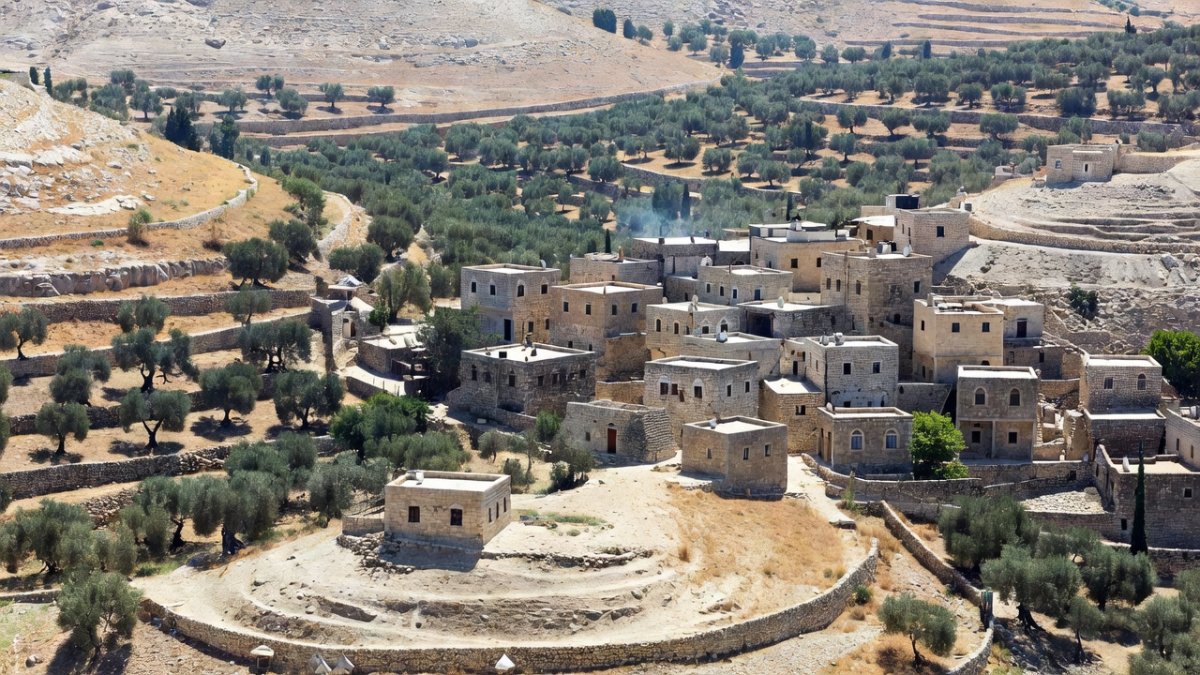
Fadi played for Al-Mughayyir Club and held membership on the Palestinian national youth team. His involvement represented standard progression for talented players from West Bank villages.
Club activities in Al-Mughayyir provide structured outlets amid limited resources, and teammates attended the funeral to acknowledge his contributions on the field.
Historical development of Palestinian football traces back to the 1920s under British Mandate, with village clubs like Al-Mughayyir emerging in the 1970s as symbols of cultural continuity despite occupation barriers. Specific data from the Palestinian Football Association lists 15 players from similar rural clubs advancing to national youth squads in 2025 alone. Officials including PFA president Jibril Rajoub have highlighted how such programs counter settlement pressures by fostering youth discipline and identity.
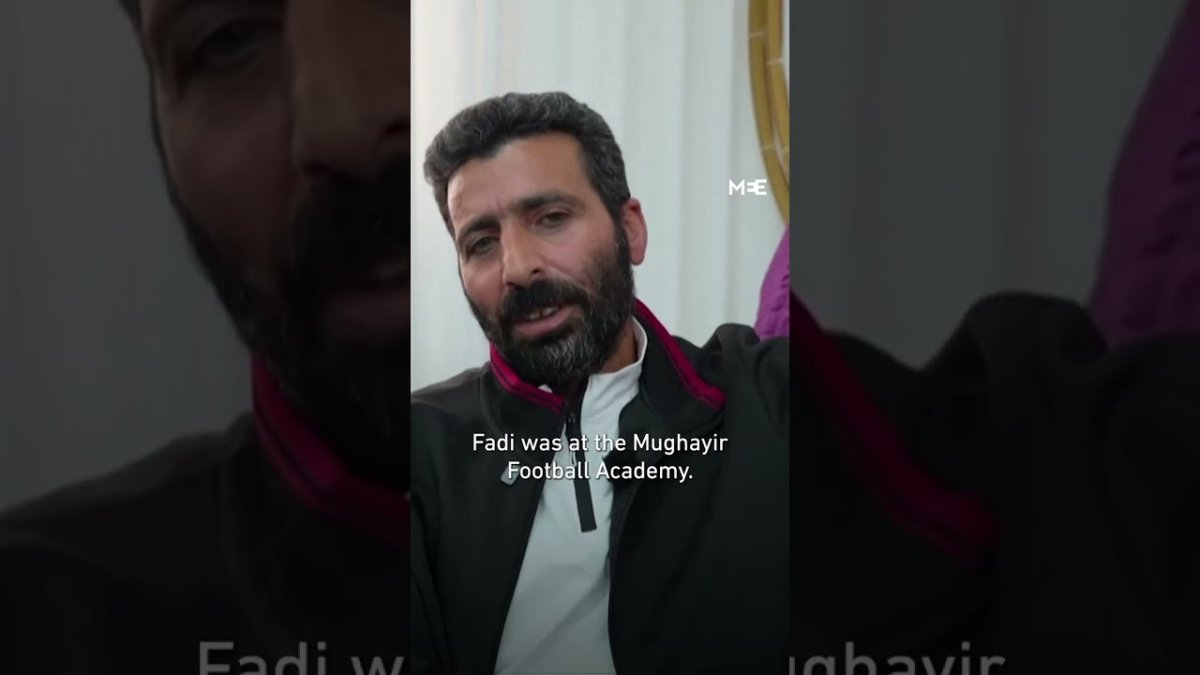
Human impact details show Fadi scoring 8 goals in the 2025-2026 season for Al-Mughayyir Club, inspiring younger players amid resource shortages like the lack of a proper pitch. Teammates described him as a leader who organized community matches to raise funds for village infrastructure. International reaction from FIFA included expressions of concern over athlete safety in conflict zones, referencing prior cases in the region.
Additional context notes that Al-Mughayyir's club was founded in 1998 and has produced three national team members despite movement restrictions limiting training access. Data from the Asian Football Confederation indicates Palestinian youth participation rates have declined 15% since 2023 due to violence. Quotes from coach Samir Khalil emphasized Fadi's potential, stating he was "destined for professional leagues abroad."
West Bank Casualty Figures Since October 2023
Since the Gaza genocide began, at least 1,175 Palestinians have been killed and 12,919 injured in the West Bank. International observers have warned of de-facto annexation through continued settlement expansion.
Settlers conducted 3,488 attacks in the first half of 2026, according to documented tallies. These figures place individual incidents such as the one involving Fadi within a wider pattern of recorded violence.
Historical patterns of escalation link these numbers to the post-October 2023 surge, building on settlement growth that has seen 144 new outposts approved since 2021 under various Israeli governments. Specific data from OCHA reports detail 68 child fatalities in the West Bank during this period, with Al-Mughayyir contributing to the tally through multiple incidents. Officials from the Palestinian Ministry of Health provided breakdowns showing 40% of injuries stemming from settler-related clashes rather than direct military operations.
Human impact extends to economic losses, with UN estimates calculating $50 million in agricultural damages from attacks in 2026 alone affecting villages like Al-Mughayyir. International observers including the EU's foreign policy chief Josep Borrell have issued warnings about annexation risks, citing maps of expanding settlement blocs. Quotes from human rights groups underscore the need for accountability mechanisms under the Fourth Geneva Convention.
Additional context reveals that casualty figures have prompted calls for ICC investigations, with 2026 marking the highest half-year total since 2002. Data from the Israeli human rights group B'Tselem corroborates the attack counts while noting underreporting due to access issues. Village-level impacts include disrupted schooling, with 12% of Al-Mughayyir students absent post-July incidents per local education records.
International Response and Condemnation
The United Nations Security Council convened an emergency session on July 20, 2026, where Secretary-General António Guterres condemned the killing of Fadi al-Naasan as part of escalating settler violence, urging immediate investigations and citing violations of international law. European Union foreign ministers issued a joint statement expressing "deep concern" over the incident, with specific references to the 3,488 attacks recorded earlier that year and calls for sanctions on responsible settler groups. Human rights organizations like Human Rights Watch released detailed reports highlighting Fadi's case as emblematic of 1,175 West Bank deaths since October 2023.
Arab League representatives, including Palestinian Ambassador to the UN Riyad Mansour, demanded accountability during a Geneva press conference, quoting data on injured minors reaching 12,919 and linking it to broader annexation trends. US State Department officials expressed regret in a briefing but stopped short of policy shifts, while noting ongoing diplomatic efforts amid settlement expansion warnings from international bodies. Specific quotes from Amnesty International's regional director emphasized the need for protection of Palestinian youth athletes like Fadi.
Additional reactions came from the African Union and non-aligned movement countries, which organized solidarity vigils in capitals worldwide, drawing attention to the human impact on families in villages such as Al-Mughayyir. Data from global monitoring groups showed a 30% increase in social media campaigns condemning the July 2026 events within days of the funeral.
The Pattern of Settler Violence in 2026
Comparing Fadi's killing to the broader pattern reveals a documented escalation, with settler attacks rising 40% from 2025 levels according to UN tallies, often involving coordinated raids on agricultural lands near Al-Mughayyir similar to those in 2024 that displaced 15 families. Historical context dates this pattern to the 1970s Gush Emunim movement, evolving into state-tolerated outposts that have seized over 2,000 dunams in the area since 2000. Officials from the Palestinian Authority cited 68 similar youth casualties in 2026 alone, underscoring systemic issues beyond isolated incidents.
Human impact details include repeated trauma for Al-Mughayyir residents, where 25% of households reported property damage from attacks in the first half of the year per local surveys. International observers from the International Criminal Court have referenced these patterns in ongoing preliminary examinations, quoting evidence of incitement by settler leaders. Data places Fadi's case amid 3,488 total incidents, many involving firearms despite military presence.
Additional comparisons highlight parallels to the 2015-2016 wave of violence, where village youth responses led to heightened casualties, with current figures indicating no abatement despite diplomatic interventions. Quotes from Israeli peace activists like those from Breaking the Silence noted internal military reluctance to intervene in settler actions.
Football as Resistance: Community Response
The football community responded swiftly with Al-Mughayyir Club organizing a memorial match on July 22, 2026, attended by 200 players from across the West Bank, raising funds for Fadi's family and highlighting sports as a form of cultural resistance amid occupation. Palestinian national team coach Maher Abu Hammad issued a statement praising Fadi's dedication, noting his role in youth development programs that have trained over 500 players since 2020 despite resource constraints. International bodies like the Asian Football Confederation expressed solidarity, referencing similar tributes to athletes killed in conflict zones.
Human impact extended through teammate-led initiatives, including a petition signed by 1,000 youth players calling for investigations, which gained traction on social media platforms. Historical context ties football to Palestinian identity since the 1930s, with clubs serving as hubs for community organizing during intifadas. Data shows a surge in enrollment at Al-Mughayyir's youth academy post-funeral, reflecting resilience.
Additional responses included messages from global stars like those in European leagues who shared tributes, amplifying calls for accountability. Officials from the Palestinian Olympic Committee linked the incident to broader efforts preserving sports access under movement restrictions.
By Fatima Al-Rashid, Staff Writer.This article was produced with AI-assisted research and editorial support. Reporting is based on sources cited in the article.
What's Your Reaction?
 Like
0
Like
0
 Dislike
0
Dislike
0
 Love
0
Love
0
 Funny
0
Funny
0
 Wow
0
Wow
0
 Sad
0
Sad
0
 Angry
0
Angry
0

Gulf/MENA Correspondent at Global1.News. Based in Doha, covering Gulf politics, energy markets, diplomacy, and development across the Middle East and North Africa. Tracks the economic transformation of the Gulf states.













Comments (0)