
Sheinbaum Accepts Trump Invitation to 2026 World Cup Final
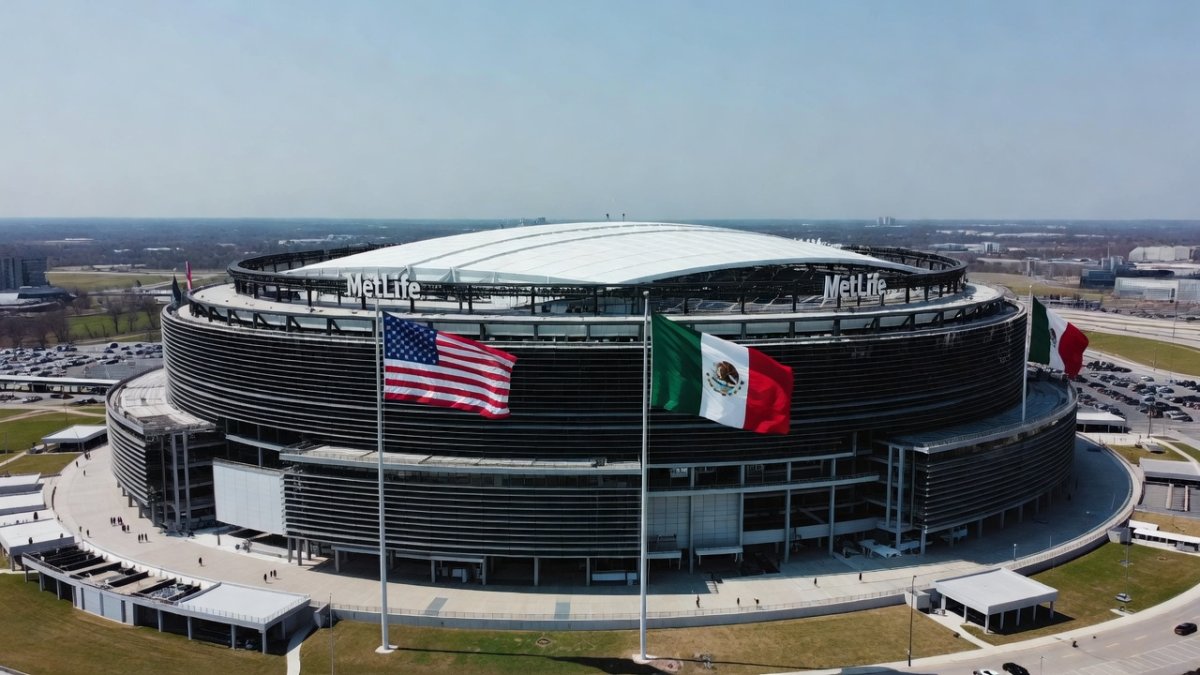
Sheinbaum Accepts Personal Invitation from Trump President Claudia Sheinbaum has accepted a direct invitation from US President Donald Trump to attend the 2026 FIFA World Cup final this Sunday at MetLife Stadium in East Rutherford, New Jersey. The match pits defending champions Argentina against Spain, and Sheinbaum will join other world leaders for the event.
Sheinbaum Accepts Personal Invitation from Trump
President Claudia Sheinbaum has accepted a direct invitation from US President Donald Trump to attend the 2026 FIFA World Cup final this Sunday at MetLife Stadium in East Rutherford, New Jersey. The match pits defending champions Argentina against Spain, and Sheinbaum will join other world leaders for the event.
This marks the first in-person encounter between the two presidents since the World Cup draw ceremony in December 2025 at the Kennedy Center in Washington, D.C. Trump arrived at the stadium via Marine One helicopter and is scheduled to present the trophy to the winning team.
Spanish Prime Minister Pedro Sanchez and Canadian Prime Minister Mark Carney are also expected to attend, along with FIFA President Gianni Infantino. The gathering brings together the three co-host nations for the tournament's climax.
Sheinbaum announced her acceptance during her regular mañanera press conference, describing the invitation as a gesture that honors Mexico’s role in the tournament. Mexican officials viewed the decision as a pragmatic step that keeps communication channels open even when tensions run high. Political figures across parties noted that the shared stage with Carney at the December 2025 draw already showed the three leaders could appear together despite differences.
The symbolic weight of Trump arriving by Marine One and later presenting the trophy adds a ceremonial layer to the encounter. For many observers in Mexico City, the image of the two presidents seated near each other at MetLife Stadium represents both the promise and the complexity of neighborly diplomacy. The moment is expected to be watched closely by families on both sides of the border who hope dialogue can ease everyday concerns.
Mexico's Role as Proud Co-Host Nation
Mexico helped bring the 2026 World Cup to life alongside the United States and Canada, with Estadio Azteca in Mexico City hosting the opening match and additional games played in Guadalajara and Monterrey. Fans across the country followed every moment with deep pride in their nation's contribution.
Despite this central role, Sheinbaum had not attended any matches in person until accepting the invitation for the final. Ordinary Mexicans in colonias and rural communities gathered around televisions in taquerías and public plazas to celebrate the games hosted on home soil.
The co-hosting experience strengthened national identity, as families shared stories of past World Cups and looked forward to future opportunities for Mexican soccer. The final now offers a chance for the president to represent that shared pride on an international stage.
In Guadalajara, families filled neighborhood plazas each evening to watch matches on large screens, while in Monterrey small business owners extended hours to accommodate fans wearing green jerseys. In Mexico City, residents near Estadio Azteca prepared special menus and decorations for the June 11 opening match, turning the event into a neighborhood celebration that lasted well into the night.
The economic impact reached countless small businesses, from street vendors selling team scarves to restaurants in the pueblos mágicos that hosted cultural nights featuring regional music and food. These gatherings allowed communities to showcase hospitality and reminded younger generations of Mexico’s long soccer heritage. The final at MetLife Stadium now extends that sense of collective pride to the international level.
Complex Relationship with the United States
Relations between Mexico and the United States have faced significant strain in recent months, including disputes over the deaths of 17 Mexican citizens in ICE custody. Mexico has sent 11 diplomatic notes to the US government and is pursuing legal action on behalf of the families affected.
Trump has publicly accused Mexican authorities of ties to cartels, while Sheinbaum has responded with strong statements defending national sovereignty. These exchanges have created a tense backdrop for any high-level interaction between the two leaders.
Despite the friction, the shared World Cup final creates a moment of diplomatic engagement. Observers note the unusual sight of former critics sitting together for the match, reflecting the intertwined histories of the neighboring countries.
Mexico’s legal strategy involves coordination among federal prosecutors and the Secretaría de Relaciones Exteriores to support the affected families through formal channels. The eleven diplomatic notes detail concerns over due process and conditions in custody, underscoring the government’s commitment to accountability. Sheinbaum has used her mañanera briefings to address these cases directly, emphasizing that national sovereignty remains non-negotiable.
Broader cartel accusations from Washington have prompted sharp rebuttals from Mexican officials who stress that security cooperation must respect each country’s institutions. The SRE continues to manage day-to-day communications to prevent further escalation. Against this backdrop, the World Cup final offers a rare public setting where both presidents can demonstrate that dialogue persists even when serious disagreements remain unresolved.
Impact on Mexican Communities and Families
For families in Mexico, the president's attendance carries mixed emotions. Many feel pride that Sheinbaum will stand among world leaders at a tournament Mexico helped organize, yet they remain deeply affected by the ongoing cases involving the 17 citizens who died in US custody.
In taquerías from Mexico City to Monterrey, conversations often turn to how bilateral issues touch daily life. Workers, students, and small business owners wonder whether this meeting might open doors for better cooperation on migration and security matters that affect their communities.
Sheinbaum's approval rating stands at 64 percent according to recent Pew Research, showing continued support even as she navigates these challenges. Ordinary Mexicans continue to follow the story closely, hoping for outcomes that protect families on both sides of the border.
Migrant families with relatives working in the United States watch the news with particular attention, concerned that diplomatic friction could affect remittances or travel. In border communities, small business owners report that uncertainty over policy has already influenced cross-border commerce and family visits. Civil society groups and human rights organizations have urged both governments to prioritize the 17 cases during any conversations that arise at the final.
During recent mañanera sessions, Sheinbaum has fielded questions from journalists about how the administration balances national pride with the need to defend citizens abroad. Many families express cautious hope that the visibility of the World Cup setting might encourage quieter progress on pending legal matters. The 64 percent approval rating suggests that citizens appreciate steady leadership even when results remain uncertain.
Looking Ahead After the Final
The final at MetLife Stadium closes a tournament that showcased Mexican hospitality and organizational strength. As fans watch from home or gather in plazas, the event highlights both the joy of soccer and the realities of international relations.
Sheinbaum's decision to attend underscores the importance of maintaining dialogue even during difficult periods. Mexican communities will continue to monitor developments, particularly regarding the legal efforts connected to the ICE custody cases.
Whether this appearance leads to concrete progress remains to be seen, but for now it places Mexico's president at the center of a global moment that millions of her compatriots are experiencing together.
After the tournament, pending diplomatic notes and legal proceedings will require continued attention from both capitals. Mexican families hope that any renewed contact can translate into practical improvements in migration procedures and consular protection. Skepticism remains common in border towns where residents have seen past summits yield limited immediate change.
For the Sheinbaum administration, the appearance at the final forms part of a broader foreign-policy approach that combines firm defense of sovereignty with pragmatic engagement. Ordinary Mexicans will judge the longer-term value of the moment by whether it contributes to safer conditions for citizens living and working across the border. The shared love of soccer offers a temporary bridge, yet the underlying work of protecting families continues long after the final whistle.
Tags: Sheinbaum, Trump, World Cup 2026, Mexico US relations, FIFA final, Mexican communities, Claudia Sheinbaum
By Rosa Martinez, Staff Writer
This article was produced with AI-assisted research and editorial support. Reporting is based on sources cited in the article.
What's Your Reaction?
 Like
0
Like
0
 Dislike
0
Dislike
0
 Love
0
Love
0
 Funny
0
Funny
0
 Wow
0
Wow
0
 Sad
0
Sad
0
 Angry
0
Angry
0
Latin America/Andes Correspondent at Global1.News. Based in Bogota, covering politics, environment, energy, and social movements across the Andean region. Passionate about environmental journalism and communities protecting their land.













Comments (0)