
How Men with Female Surnames are Standing Up to Ridicule in Kenya
Across the diverse landscapes of Africa, names serve as powerful anchors to our ancestors and families, yet in Kenya a growing number of men are embracing their mothers' surnames despite facing societal pushback. This trend among the Kikuyu and beyond highlights evolving family dynamics and challenges traditional notions of identity in profound ways.
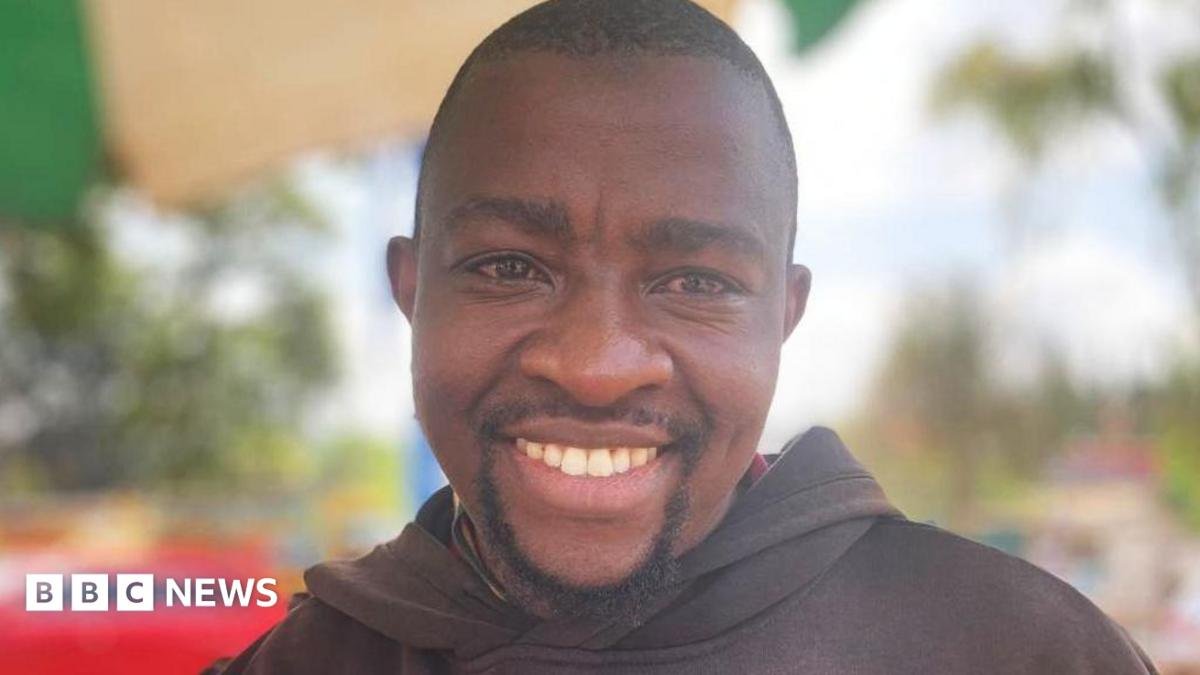
Across the diverse landscapes of Africa, names serve as powerful anchors to our ancestors and families, yet in Kenya a growing number of men are embracing their mothers' surnames despite facing societal pushback. This trend among the Kikuyu and beyond highlights evolving family dynamics and challenges traditional notions of identity in profound ways.
How Men with Female Surnames are Standing Up to Ridicule in Kenya
Nairobi, Kenya — In the bustling capital, a quiet shift in family naming practices is gaining attention as more men choose to carry their mothers' names into public life.
Understanding Kenya's Surname Practices
In many Kenyan communities, children have long carried their father's first name as a surname, a practice rooted in patrilineal customs. This tradition reflects deep ties between family identity and paternal lineage across the country. Yet an increasing number of families, especially among the Kikuyu, are shifting toward maternal surnames. This change sparks debate across the country, with men bearing these names often facing ridicule that women with similar names rarely encounter.
The Rise of Maternal Surnames Among the Kikuyu
The Kikuyu, Kenya's largest ethnic group, show the clearest trend toward children taking their mother's name. Cultural expert Wairimu Mukuuru links this directly to the growing number of single-mother families. Academic George Gathigi adds that women now often fill roles once seen as male, positioning the mother as both parents in daily life. These patterns show how naming practices adapt while communities seek to honor the roles of both parents in daily life.
Public Figures Embracing Maternal Lineage
Several prominent Kenyans demonstrate this choice openly. MP John Njuguna Wanjiku carries his mother's name into parliament. Musician Kigia wa Esther, now in his sixties, selected his mother's name for his stage identity while performing benga music. Journalist Simon Macharia Wangui chose his mother's surname after his father remained absent and his mother passed when he was twelve. These examples highlight personal decisions that connect individuals to their immediate caregivers rather than distant paternal lines.
The Stigma and Societal Perceptions
Men with female surnames frequently meet mockery that questions their discipline or masculinity. Broadcaster Evans Kibe Waceke notes that society often views children raised by single mothers as undisciplined. Motivational speaker Robert Burale argues that such surnames undermine traditional ideas of manhood. TV personality Fred Muitiriri even dropped his mother's name after experiencing embarrassment and depression. In contrast, girls and women face little of this censure, revealing a clear gender double standard that resonates with ongoing discussions about male identity across the continent.
Blogs in Kenya have labeled female surnames a yoke around men's necks or an effort to womanise the Kikuyu man. These descriptions highlight how the stigma targets men specifically, questioning their place in society while leaving women untouched by similar judgment. Journalist Simon Macharia Wangui remains proud of his decision despite any identity questions, showing personal resolve against these perceptions. The experiences of men like Fred Muitiriri illustrate the emotional weight of this double standard. His depression after facing embarrassment points to the deeper impact on mental well-being when societal expectations clash with family realities. This pattern continues to shape how Kenyan men navigate public and private life.
Cultural and Historical Context in Kikuyu Society
Kikuyu cultural official Mugwe wa Nuhii points to deep historical roots. The community traces its lineage to the ten daughters of Gikuyu and Mumbi, known collectively as the House of Mumbi. This matrilineal foundation offers a natural basis for honoring mothers' names today. Similar ancestral stories appear in various African societies, reminding us that naming practices have always adapted while preserving core values of family and belonging. The House of Mumbi story underscores how Kikuyu identity has long centered on maternal figures alongside paternal lines. This historical emphasis provides context for current choices among families where mothers serve as primary caregivers. Such roots allow modern shifts to feel like a continuation rather than a break from tradition. These cultural elements connect directly to the experiences of men embracing maternal surnames. By drawing on the legacy of Gikuyu and Mumbi, individuals find strength in honoring the immediate family bonds that shape their lives. This approach strengthens community ties across generations.
Reflections from an African Perspective
Single-parent households grow in cities from Dakar to Nairobi due to work, migration, and social change. The Kenyan stories of men claiming their mothers' names therefore sit within wider continental conversations about how families adapt while holding on to dignity. Journalist Simon Macharia Wangui remains proud of his decision despite any identity questions. His stance encourages us to value lived family bonds over rigid expectations, a message that strengthens communities continent-wide.
Moving Toward Greater Acceptance
The stories of these Kenyan men illustrate quiet resistance to ridicule. By claiming their mothers' names, they affirm the central role women play in raising the next generation. This shift does not erase tradition but updates it for present-day life. Across Africa, from Kikuyu villages to neighborhoods elsewhere on the continent, such choices invite dialogue on what truly defines family strength and personal dignity in our shared future.
By Amara Diop, Staff WriterThis article was produced with AI-assisted research and editorial support. Reporting is based on sources cited in the article.
What's Your Reaction?
 Like
0
Like
0
 Dislike
0
Dislike
0
 Love
0
Love
0
 Funny
0
Funny
0
 Wow
0
Wow
0
 Sad
0
Sad
0
 Angry
0
Angry
0

West Africa/Sahel Correspondent at Global1.News. Dakar-based journalist covering politics, security, climate, and development across Francophone and Anglophone West Africa. Tells the stories of a region undergoing profound transformation.









Comments (0)