
Gulf of Paria Tensions Rise as Venezuela Calls for Answers on Oil Spill from Trinidad and Tobago
Venezuela has formally demanded information and compensation from Trinidad and Tobago over a May 1 oil spill in the Gulf of Paria, claiming serious environmental damage. Port of Spain disputes the scale, calling it a minor 10-barrel spill. The dispute threatens energy cooperation and regional relations across the Caribbean.
Venezuela Issues Formal Demand Over Shared Waters Incident
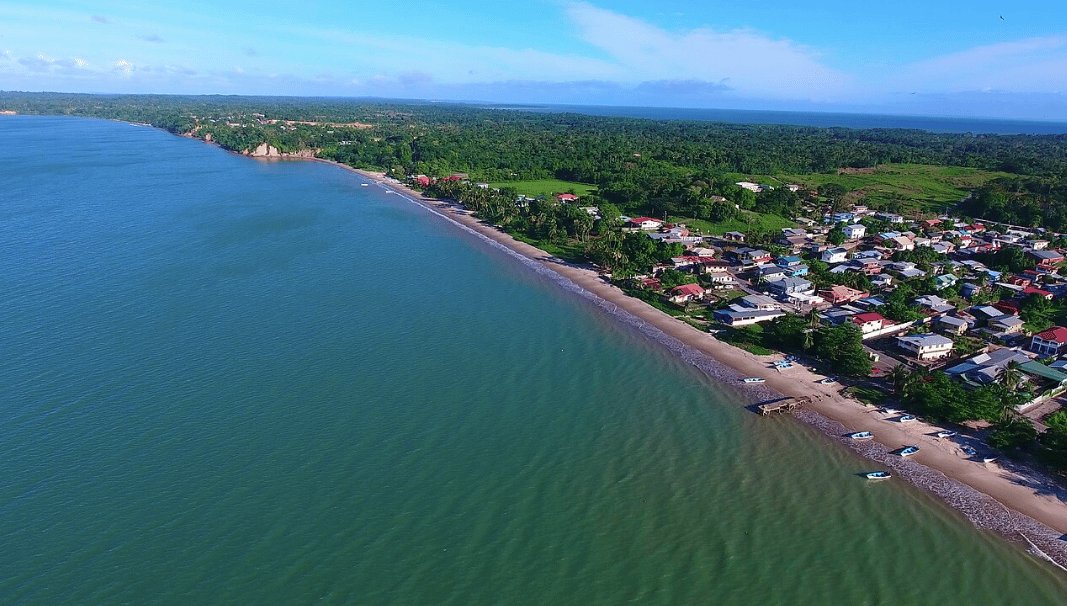
Venezuela has taken a firm diplomatic step by demanding information and compensation from Trinidad and Tobago following an oil spill reported on 1 May. Foreign Minister Yvan Gil addressed the press in Caracas, highlighting concerns that the incident originated in Trinidadian waters and could affect the shared Gulf of Paria. Several communiques have already reached Port of Spain, seeking details on the spill's reach and any measures taken to limit further harm.
Our neighbours across the narrow stretch of water view the matter with urgency, given the Gulf's role in supporting marine life and coastal livelihoods on both sides. The call for compensation reflects long-standing sensitivities around cross-border environmental risks in this part of the Caribbean. Trinidad and Tobago officials have acknowledged receipt of the messages and are reviewing the details provided.
Cross-border environmental disputes have marked Caribbean relations for decades, from the 1970s oil leaks near the Guyana-Venezuela border that affected shared river systems to more recent concerns over bauxite runoff impacting Jamaican and Haitian waters. Neighbours have often turned to quiet diplomacy rather than confrontation, recognising that currents and winds pay little heed to political lines drawn on maps. These episodes remind communities that the sea connects rather than divides us.
CARICOM has played a steady mediating role in such matters, convening technical working groups and sharing best practices on pollution response. Its secretariat has facilitated joint monitoring protocols after incidents in the Eastern Caribbean, helping member states avoid escalation while protecting livelihoods. This regional body offers a trusted space where small nations can speak with one voice on environmental threats that no single country can manage alone.
Trinidad's diaspora, particularly in New York, Toronto and London, watches these tensions with a mix of pride and worry. Many families still have relatives fishing the Gulf or working on the platforms, and they fear that heated words could overshadow the everyday cooperation that keeps communities fed. Social media groups buzz with calls for calm, urging both governments to put marine health above political posturing.
Disputed Scale of the Spill at Main Soldado Field
Trinidad and Tobago's state-run Heritage Petroleum has described the event as a contained release of roughly 10 barrels of crude oil from the offshore Main Soldado field near Point Fortin. The company maintains that response teams acted swiftly and that the slick posed limited ongoing threat once booms and skimmers were deployed. This account stands in contrast to Venezuelan statements warning of possible drift toward their shores and risks to fishing grounds and coastal communities.
Caracas has also raised the possibility of a second, larger spill, though no independent confirmation of additional volumes has emerged so far. The difference in assessments underscores how even modest releases can generate wider concern when they occur in a body of water shared by two nations. Local fishermen in south-west Trinidad have long monitored activity around the Soldado platforms, and any visible sheen on the water quickly raises questions in nearby villages.
Heritage Petroleum operates more than sixty wells at Main Soldado, many of them legacy platforms dating back to the 1950s that require constant maintenance in the shallow Gulf waters. The company has invested in newer subsea pipelines and automated leak detection systems, yet older infrastructure remains vulnerable to corrosion and storm damage. Local engineers know every valve and riser by name, understanding that even small releases can travel quickly across the shared basin.
Environmental assessments in Trinidad follow guidelines set by the Environmental Management Authority, combining satellite imagery, water sampling and visual surveys by trained responders. Teams deploy within hours of any report, using fluorometers to measure oil concentrations and modelling software to predict slick movement. These protocols, refined after earlier incidents, aim to give decision-makers clear data rather than speculation.
Fishermen in Point Fortin and surrounding villages already feel the pinch when slicks appear. A single day of lost fishing can mean missing school fees or the weekly market run, and families worry about longer-term damage to crab and conch stocks that sustain many households. Women who process and sell the catch at roadside stalls speak of empty tables and rising prices that hit the poorest hardest.
The Gulf of Paria as Vital Ecological and Economic Space
The Gulf of Paria forms a shallow inlet between Trinidad and Venezuela, serving as both an important production zone for oil and gas and a sensitive habitat for fish and other marine species. Communities on the Trinidad side, from Point Fortin to Icacos, depend on these waters for livelihoods tied to fishing and small-scale coastal trade. On the Venezuelan side, similar reliance exists among villages that draw their catch from the same currents.
Because the Gulf sits at the heart of regional energy activity, any pollution event carries implications beyond immediate cleanup costs. The area supports pipelines, platforms and related infrastructure that contribute to national revenues in both countries. At the same time, the shallow depths mean pollutants can linger longer and affect seagrass beds and mangrove fringes that act as nurseries for commercial fish stocks. Residents here understand that protecting these waters means safeguarding both jobs and the Sunday fish market tables that feed many families.
Energy Relations Between Trinidad and Tobago and Venezuela
Cooperation in the energy sector has formed a steady thread in relations between the two countries for decades. Projects such as the bp-operated Loran gas field and discussions around the Dragon gas development illustrate how shared resources can create mutual benefit when managed carefully. Trinidad and Tobago has long positioned itself as a hub for liquefied natural gas exports through facilities like Atlantic LNG, while Venezuela holds substantial reserves that could one day flow through joint infrastructure.
These ties have survived periods of political strain, partly because both economies feel the pressure of fluctuating oil and gas prices. Recent talks have focused on reviving cross-border gas flows that could support power generation and industrial use on the Trinidad side. Against this backdrop, an environmental incident in the Gulf of Paria risks complicating ongoing commercial negotiations and reminding everyone that technical cooperation must include robust safeguards for the marine environment.
Negotiations over the Dragon gas field have moved in fits and starts, with recent agreements allowing limited volumes to flow once infrastructure upgrades are complete. Trinidadian engineers have visited Venezuelan facilities to assess pipeline readiness, while Caracas seeks steady revenue from reserves that have sat largely untapped. Both sides recognise that joint development could ease domestic energy shortages if political and technical hurdles are cleared.
The US sanctions waiver tied to the Dragon deal has opened a narrow window for cooperation, permitting certain financial transactions and equipment transfers that were previously blocked. This limited relief has encouraged cautious optimism among energy officials, yet any new environmental incident risks drawing renewed scrutiny from Washington and slowing progress. The waiver's renewal depends partly on demonstrated responsible stewardship of shared waters.
Atlantic LNG continues to anchor Trinidad's role as the Caribbean's leading natural gas exporter, processing cargoes that reach markets from Europe to Asia. The facility's four trains rely on a steady mix of local and imported feedstock, making stable relations with Venezuela strategically important. An unresolved spill could complicate future joint ventures by raising insurance premiums and prompting stricter environmental reviews before any new cross-border project advances.
Regional Environmental and Economic Implications
Small island developing states across the Caribbean already face rising costs for imported fuel and food, alongside the need to rebuild tourism numbers after the pandemic. An unresolved spill in the Gulf could add pressure by affecting fish supplies that help keep local markets affordable. CARICOM members have watched similar incidents elsewhere and understand how quickly a localised release can influence regional food security and the reputation of Caribbean seafood exports.
Climate pressures, including stronger storms during the hurricane season, further complicate matters because rough seas can spread any remaining oil more widely. The Office of Disaster Preparedness in Trinidad and Tobago routinely coordinates with regional partners on such risks, yet the current episode highlights gaps in real-time information sharing between neighbours. For communities already stretching household budgets, any threat to fishing income or higher seafood prices lands directly on kitchen tables from Port of Spain to Georgetown.
Small island developing states remain acutely vulnerable to oil spills because their economies rest on narrow resource bases and fragile coastlines. A single incident can close beaches, halt fishing and damage tourism reputations built over years, leaving governments with recovery bills that stretch already tight budgets. Caribbean nations have learned through bitter experience that prevention costs far less than cleanup.
The economic toll of spills on SIDS often runs into tens of millions, covering lost fishing days, health costs from contaminated seafood and long-term habitat restoration. Insurance policies frequently fall short when multiple countries claim damages, leaving gaps that national treasuries must fill. Liability frameworks under regional agreements help, yet enforcement remains uneven across different legal systems.
Compensation mechanisms such as the International Oil Pollution Compensation Funds offer some recourse, but claims processes can drag on for years while communities wait. Neighbouring states are now calling for faster joint assessment teams and pre-agreed payout formulas so that fishermen and market vendors do not bear the heaviest burden while paperwork moves slowly through distant offices.
Diplomatic Steps That May Follow
Both governments have channels through CARICOM and bilateral mechanisms that can be used to exchange data and arrange joint assessments. Trinidad and Tobago has indicated it will respond to the Venezuelan communiques, while Caracas continues to press for detailed surveys of affected areas. Past practice suggests that technical teams from each side could meet to review spill trajectory models and agree on any further monitoring.
Observers note that measured diplomacy has helped resolve similar cross-border issues in the past, particularly when energy interests remain at stake. The Prime Minister and the Attorney General are expected to receive updates from the Ministry of Energy and Heritage Petroleum before any formal reply is drafted. In the meantime, fishermen and coastal residents on both sides will continue watching the water and hoping for clear communication that protects the shared Gulf for future generations.
Under the International Convention on Civil Liability for Oil Pollution Damage and the United Nations Convention on the Law of the Sea, affected states can request joint investigations and seek compensation through established arbitration channels. Trinidad and Venezuela could invoke bilateral maritime boundary agreements that already contain provisions for environmental incidents in the Gulf of Paria, allowing technical experts to lead rather than politicians.
The United Nations Environment Programme and CARICOM's disaster risk reduction unit stand ready to support independent monitoring if both capitals agree. Past disputes have been settled through quiet fact-finding missions rather than public confrontation, preserving the energy cooperation both nations need. Regional bodies can also help draft standardised reporting templates that reduce future misunderstandings over spill volumes and trajectories.
Observers expect an initial technical exchange within the next fortnight, followed by a possible joint survey of affected shorelines before the rainy season intensifies currents. A formal reply from Port of Spain is anticipated soon, after which working groups could begin drafting any compensation framework. Communities on both sides hope these steps move steadily rather than stall in procedural delays.
By Sharon Sahatoo, Staff WriterThis article was produced with AI-assisted research and editorial support. Reporting is based on sources cited in the article.
What's Your Reaction?
 Like
0
Like
0
 Dislike
0
Dislike
0
 Love
0
Love
0
 Funny
0
Funny
0
 Wow
0
Wow
0
 Sad
0
Sad
0
 Angry
0
Angry
0

Caribbean Correspondent at Global1.News. Based in Port of Spain, Trinidad, covering Caribbean politics, economy, energy, climate, and culture. Amplifying the voices and stories of the Caribbean region.










Comments (0)