
Regina Couple Killed in Rare Black Bear Attack at Saskatchewan Cabin
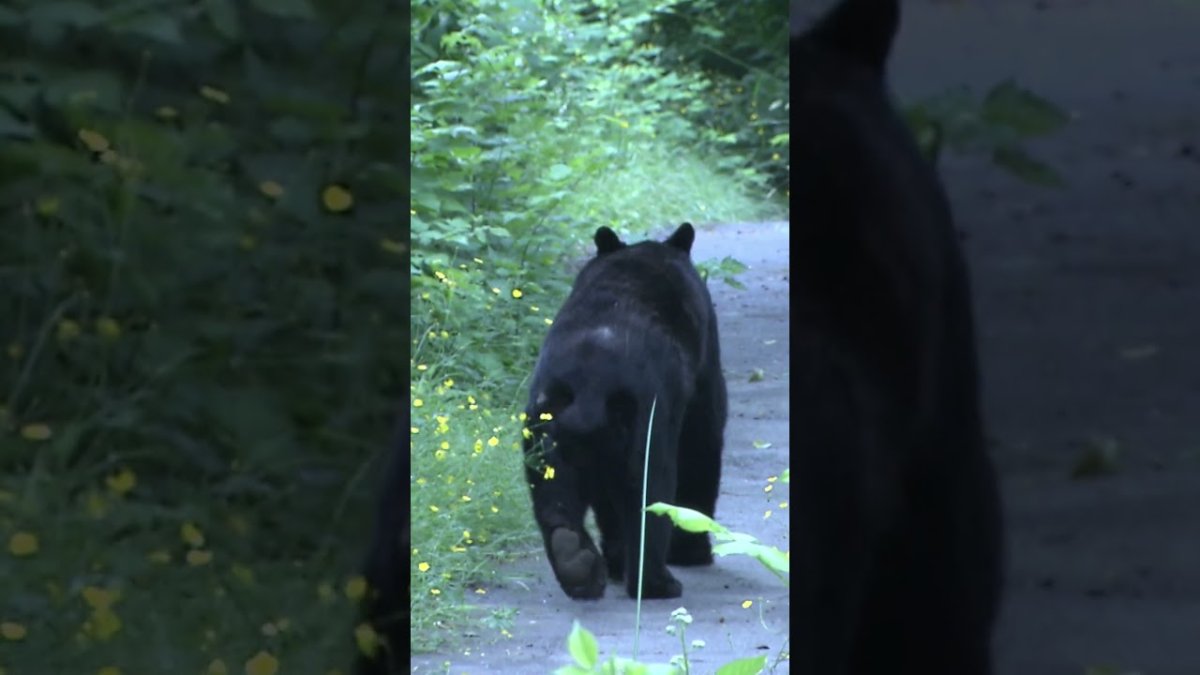
The CBC News YouTube video broadcast this week detailed the tragic events at McTavish Lake, where conservation officers responded to reports of a black bear attack on a retired Regina couple who had flown into their remote cabin on Wednesday.
The CBC News YouTube video broadcast this week detailed the tragic events at McTavish Lake, where conservation officers responded to reports of a black bear attack on a retired Regina couple who had flown into their remote cabin on Wednesday.
Saskatchewan Retirees Killed in Rare Black Bear Attack Near La Ronge
Regina, Saskatchewan — A retired couple from Regina, Jay and Deb MacDonald, both in their early 70s, were killed by a black bear at their cabin on McTavish Lake, about 90 kilometres north of La Ronge, on Wednesday. The pair had flown into the remote site to stay at the property they also leased to others, but family members grew concerned when the couple failed to answer repeated calls.
The Fatal Attack at McTavish Lake
Family member Donjames LeBlanc, Deb MacDonald's brother, contacted police after the couple did not respond to messages. Officers discovered Jay MacDonald's body near the lakeshore on Wednesday. Deb MacDonald's remains were located the following day in the woods close to the cabin. Conservation officers euthanised a black bear believed to have been involved in the attack, and the animal was transported to the Western College of Veterinary Medicine for a full necropsy to determine its condition and any contributing factors.
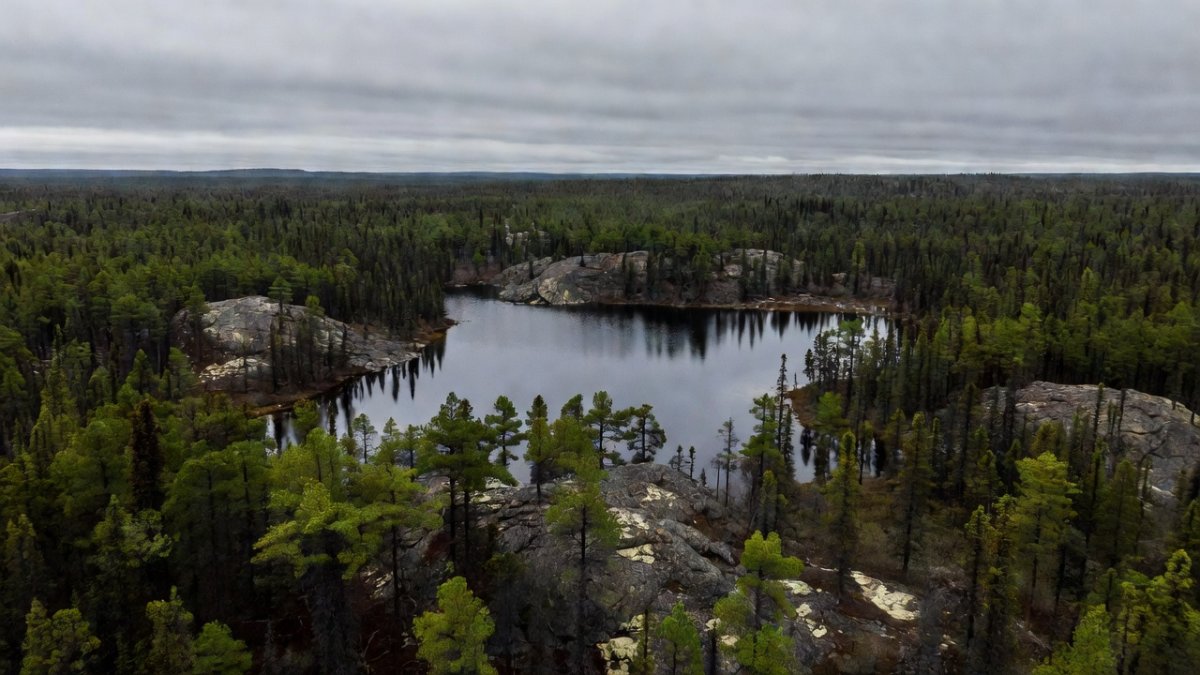
The remote McTavish Lake cabin, situated roughly ninety kilometres north of La Ronge in northern Saskatchewan, sits amid dense boreal forest and rocky outcrops typical of the Canadian Shield. This terrain features thick stands of spruce and jack pine interspersed with muskeg and small waterways, rendering overland travel impractical and dangerous even for experienced locals. The MacDonald couple, both in their early seventies, relied on a chartered float plane to reach their seasonal retreat, a common practice for fly-in properties in the region where no permanent roads or trails connect to southern infrastructure. Their last known contact occurred shortly after landing on July 15, 2026, after which family members raised concerns when scheduled check-ins went unanswered, prompting authorities to organise an aerial search that located the scene within forty-eight hours.
Search teams from the Royal Canadian Mounted Police and Saskatchewan Ministry of Environment first spotted signs of disturbance from the air before landing to confirm the tragic outcome. The isolation of the site meant that response times stretched longer than in more accessible areas, underscoring the inherent risks of remote cabin ownership. Neighbours and outfitters familiar with McTavish Lake noted that the lake itself offers limited landing options for aircraft, further complicating any emergency evacuation or routine supply runs during the short northern summer season.
Profiles of the Victims
Jay MacDonald had spent his career in the farm equipment industry, while Deb MacDonald worked as a nurse before both retired. The couple had previously discussed the numerous black bears frequenting the McTavish Lake area, yet they continued to visit their cabin regularly. Their decision to fly in on Wednesday reflected the typical travel pattern for accessing the isolated property roughly 90 kilometres north of La Ronge.
Police and Conservation Response
The Saskatchewan RCMP investigated the scene but withdrew once no criminal element was identified. The Saskatchewan Coroner's Service and the Saskatchewan Conservation Officer Service continue to examine all aspects of the incident. The Ministry of Community Safety issued a public warning urging cabin owners, residents, and outdoor enthusiasts across the province to exercise heightened caution in bear country.
The Ministry of Community Safety has responded by issuing updated public advisories for the La Ronge and surrounding northern districts, reminding residents and visitors of seasonal bear activity peaks in mid-summer. Conservation officers stationed in remote outposts conduct regular patrols and respond to reported incidents by assessing whether individual bears pose an ongoing threat, often resulting in relocation or, in rare cases, euthanasia when public safety is at immediate risk. Following the McTavish Lake attack, the euthanised bear was transported to the Western College of Veterinary Medicine in Saskatoon for a full necropsy to determine its age, health status, and any underlying factors that may have contributed to the aggression.
These procedures help authorities refine future management strategies and contribute to broader scientific understanding of bear populations in changing northern ecosystems.
Historical Context of Bear Attacks in Saskatchewan
Fatal black bear attacks remain rare in Saskatchewan, yet this incident marks the fifth known fatality in the province's recorded history. In May 2026, a 27-year-old man died at a remote uranium exploration site in northern Saskatchewan. In 2020, 44-year-old Stephanie Blais was killed near her family's cabin north of Buffalo Narrows. The first documented cases occurred in 1983 near what is now Narrow Hills Provincial Park, where two men died in separate maulings.
The May 2026 fatality involving a twenty-seven-year-old man from India occurred at a uranium exploration camp farther north, where workers encountered a bear exhibiting unusual boldness near active drilling equipment. That incident marked the fourth known fatal attack in the province before the McTavish Lake event and highlighted vulnerabilities at industrial sites where food waste and human activity can attract wildlife. In contrast, the 2020 death of Stephanie Blais near Creighton involved a defensive encounter during a hiking trip, while the 1983 Nipawin tragedy claimed two lives in a remote hunting camp under circumstances that investigators later linked to an emaciated bear struggling with natural food shortages.
Fatal bear attacks remain exceptionally rare in Saskatchewan largely because the province’s vast wilderness allows most animals to avoid sustained human contact, yet recent cases suggest subtle shifts in bear behaviour tied to changing food availability and increased northern development. Conservation records indicate that only five such incidents have been documented over more than four decades, a statistic that reflects both effective management practices and the low human population density across the northern half of the province.
Expert Analysis on Bear Behaviour
University of Saskatchewan bear expert Doug Clark stated that the province must address offensive aggression by black bears, a behaviour in which animals attack people for food or reasons unrelated to self-defence. Clark emphasised the importance of researching local wildlife activity before travel and always carrying bear spray. These recommendations align with standard practices promoted by Canadian wildlife agencies for northern regions.
University of Saskatchewan expert Doug Clark has emphasised the distinction between offensive aggression, in which a bear actively seeks out humans as potential prey, and the more common defensive reactions triggered when an animal feels cornered or surprised. In the McTavish Lake case, preliminary observations point toward food motivation as a contributing factor, possibly because the bear had learned to associate cabins with easy calories. Clark advises cabin owners to maintain scrupulous food storage protocols, including the use of bear-proof containers and the suspension of garbage away from living areas, while travellers should carry and know how to deploy bear spray as a primary deterrent rather than relying solely on firearms.
Northern visitors are also urged to travel in groups, make noise on trails, and avoid areas with fresh bear sign such as tracks or scat. Clark notes that proactive awareness reduces the likelihood of surprise encounters, which remain the leading cause of defensive attacks across Canada’s boreal regions.
Memorial Service and Community Impact
A mass for the couple was held at Christ the King Church in Regina on Thursday, drawing family, friends, and members of the local community. The service honoured the MacDonalds' long-standing ties to both Regina and their northern cabin retreat. Neighbours and leaseholders in the La Ronge region have expressed shock at the loss, underscoring the shared reliance on remote properties across Saskatchewan's northern landscape.
The loss of Jay and Deb MacDonald has sent ripples through the tight-knit community of remote cabin owners who rely on fly-in access for summer escapes and family traditions. Operators of fishing lodges in the La Ronge region report heightened anxiety among clients, with some cancellations already affecting bookings for the remainder of the season and raising concerns about long-term economic viability in an area where tourism supports many seasonal jobs. Socially, the tragedy has prompted renewed discussions at community meetings about collective responsibility for bear safety education and the emotional toll on families who must now weigh the cherished solitude of the north against heightened risks.
Local leaders stress that while the events are statistically uncommon, they underscore the need for sustained investment in prevention programs that protect both residents and the tourism economy that sustains northern Saskatchewan.
The deaths highlight ongoing challenges in balancing human activity with wildlife in Canada's northern provinces, where residents and visitors must remain vigilant. Conservation efforts and public education remain central to reducing future risks in areas like McTavish Lake.
By Alex Thompson, Staff WriterThis article was produced with AI-assisted research and editorial support. Reporting is based on sources cited in the article.
What's Your Reaction?
 Like
0
Like
0
 Dislike
0
Dislike
0
 Love
0
Love
0
 Funny
0
Funny
0
 Wow
0
Wow
0
 Sad
0
Sad
0
 Angry
0
Angry
0

Canada Correspondent at Global1.News. Based in Toronto, covering Canadian politics, energy, trade, and US-Canada relations. Provides the Canadian perspective on North American and global affairs.













Comments (0)