
Shizuoka Governor Approves Maglev Construction After Impasse
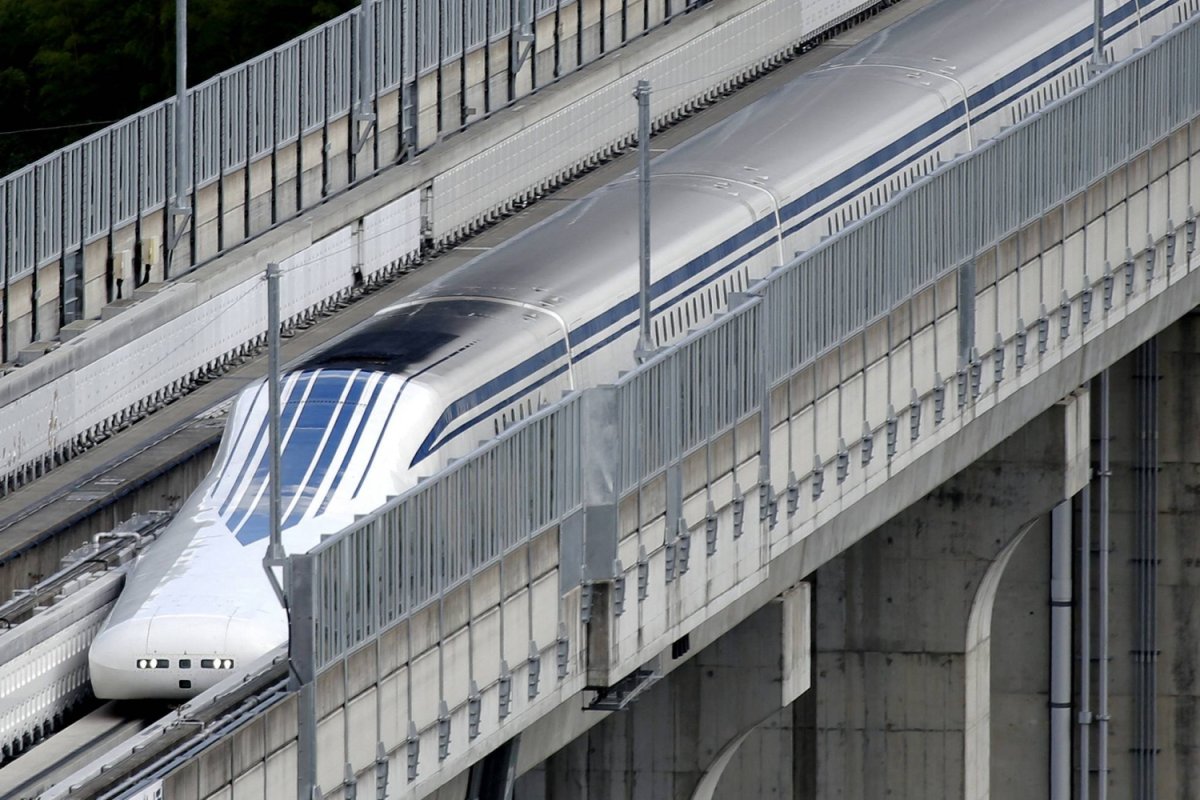
Shizuoka Governor Approves Maglev Construction After Impasse The decision by Shizuoka Governor Yasutomo Suzuki on July 7, 2026, to approve construction of the stalled Shizuoka section marks a decisive shift in one of Japan’s most protracted infrastructure disputes. This approval concludes nearly nine years of opposition that had prevented progress on the Linear Chuo Shinkansen
Shizuoka Governor Approves Maglev Construction After Impasse
The decision by Shizuoka Governor Yasutomo Suzuki on July 7, 2026, to approve construction of the stalled Shizuoka section marks a decisive shift in one of Japan’s most protracted infrastructure disputes.
This approval concludes nearly nine years of opposition that had prevented progress on the Linear Chuo Shinkansen maglev line between Shinagawa and Nagoya.
Corporate Japan, particularly Central Japan Railway Co. (JR Tokai), can now move toward formalizing a construction agreement scheduled for July 18, 2026.
Historical Context of the Shizuoka Impasse
Construction of the Shizuoka section had remained blocked since 2017 under former Governor Heita Kawakatsu, who cited risks that tunneling would diminish the flow of the Oi River.
The Oi River serves as a critical water source for Shizuoka, supporting irrigation for rice paddies and the prefecture’s renowned tea fields.
The prolonged standoff compelled JR Tokai to abandon its original 2027 target for opening the Shinagawa-Nagoya segment.
Following Kawakatsu’s resignation in May 2024, Governor Suzuki adopted a dialogue-oriented approach that emphasized both economic benefits and disaster-prevention advantages of the maglev project.
Environmental Safeguards and Expert Panel Review
A prefectural expert panel completed its review in March 2026 by accepting all 28 environmental protection measures demanded by Shizuoka authorities.
Public briefing sessions concluded in late June 2026, allowing the governor to assess that resident understanding had advanced sufficiently.
In his statement, Suzuki noted that agreement with prefectural residents, riverside municipalities, and related organizations had progressed to the point where a formal construction agreement could be concluded.
He acknowledged that some residents continue to express unease over water resources and pledged that the prefecture would address these concerns thoroughly.
Engineering Complexities of the 8.9-Kilometer Section
The approved Shizuoka section covers 8.9 kilometers within the prefecture as part of the approximately 25-kilometer Southern Japan Alps tunnel.
This portion lies adjacent to the Nagano section, where tunnel depth reaches a maximum of 1,400 meters below the surface.
Recognized as one of the most technically demanding segments of the entire route, the original plan allocated an estimated ten years for its completion.
JR Tokai has indicated that work will commence immediately once procedures are finalized, with construction potentially beginning within the year.
Implications for Japan’s High-Speed Rail Network
The resolution in Shizuoka removes a major obstacle to extending Japan’s next-generation high-speed rail corridor westward from Tokyo.
JR Tokai’s ability to proceed reflects broader corporate efforts to integrate advanced maglev technology into the national transport grid.
Successful completion of this section would strengthen connectivity between major economic centers, supporting long-term infrastructure goals pursued by Japanese industry and government bodies.
Next Steps and Revised Project Timeline
With the July 18, 2026, agreement approaching, JR Tokai will begin construction activities and subsequently announce a revised opening schedule for the Tokyo-Nagoya leg.
Current projections place the earliest possible opening of this segment in 2036.
The prefecture’s continued oversight of water-resource concerns will accompany the construction phase, ensuring that local priorities remain integrated into project execution.
Tags: Shizuoka maglev, Linear Chuo Shinkansen, JR Tokai, Yasutomo Suzuki, Oi River, maglev construction, Chuo Shinkansen delay, Southern Japan Alps tunnel
By Kenji Tanaka, Staff Writer
This article was produced with AI-assisted research and editorial support. Reporting is based on sources cited in the article.
What's Your Reaction?
 Like
0
Like
0
 Dislike
0
Dislike
0
 Love
0
Love
0
 Funny
0
Funny
0
 Wow
0
Wow
0
 Sad
0
Sad
0
 Angry
0
Angry
0

Japan Correspondent at Global1.News. Tokyo-based voice covering Japanese politics, technology, economy, and culture. Tracks the intersection of tradition and innovation in one of the world's most dynamic societies.















Comments (0)