
ispace Secures 500 kg Starship Capacity for 2030 Lunar Cargo
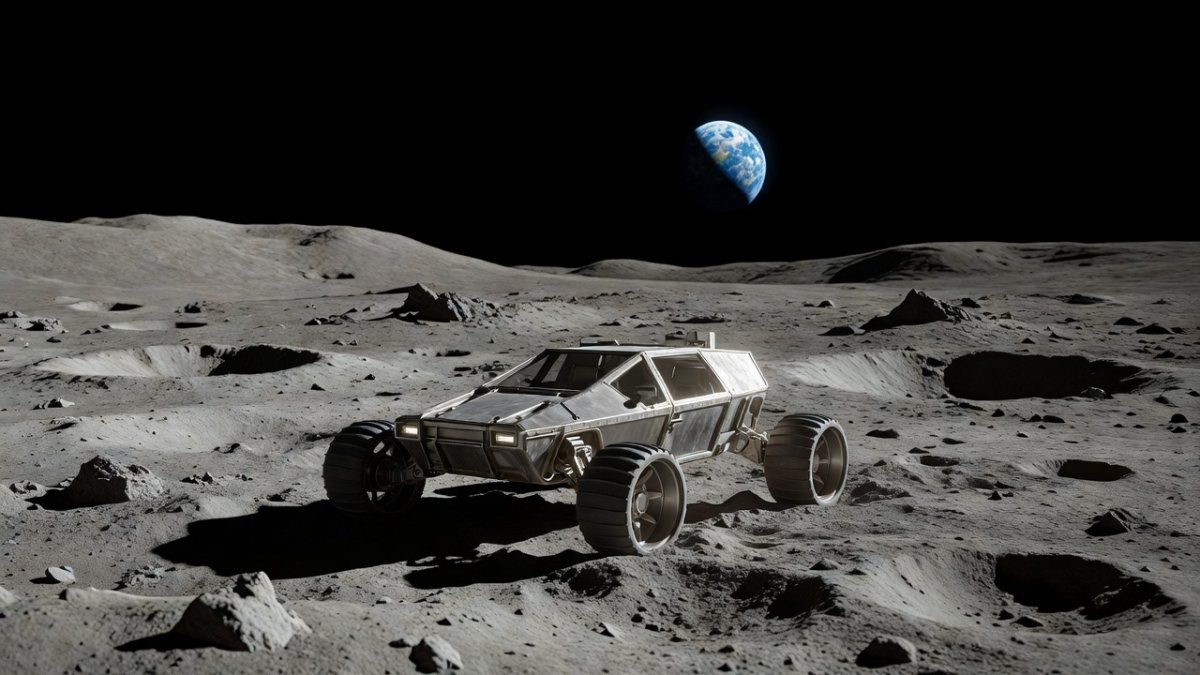
Tokyo Firm ispace Books SpaceX Starship Capacity Tokyo-based ispace has purchased 500 kg of payload capacity on a future SpaceX Starship mission for USD $50 million. The agreement positions the Japanese company to deliver customer cargo to the lunar surface as early as 2030. ispace will develop a Mobile Cargo System, a lunar surface vehicle, that will transport payloads after t
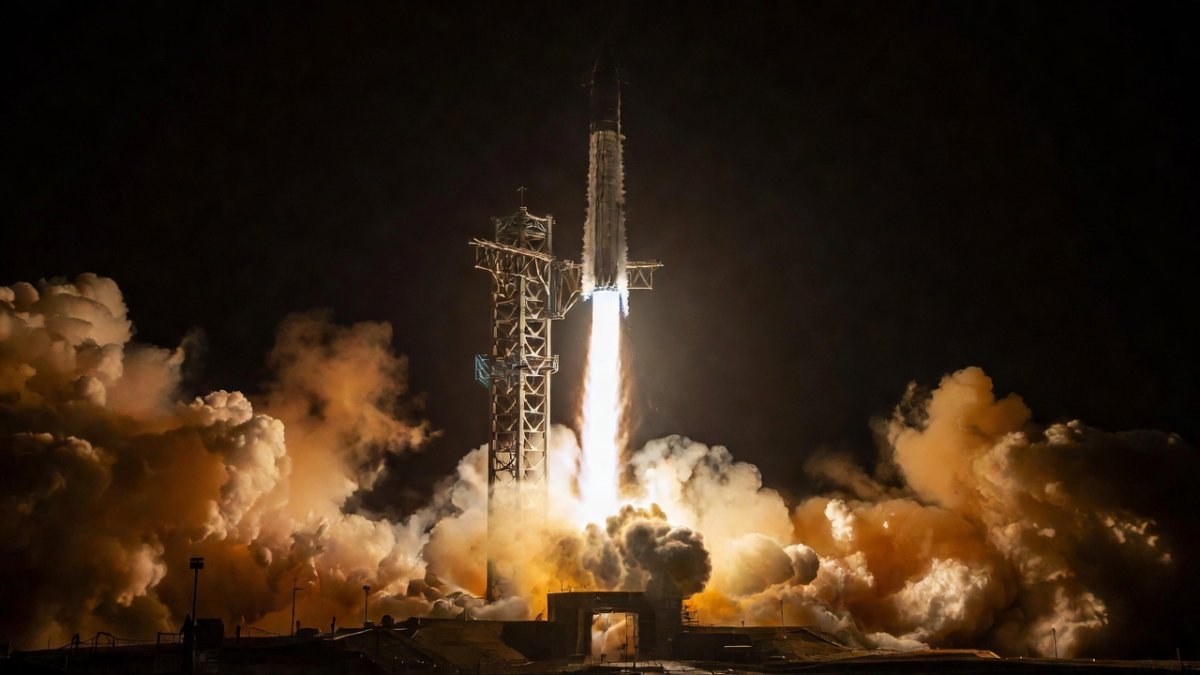
Tokyo Firm ispace Books SpaceX Starship Capacity
Tokyo-based ispace has purchased 500 kg of payload capacity on a future SpaceX Starship mission for USD $50 million. The agreement positions the Japanese company to deliver customer cargo to the lunar surface as early as 2030. ispace will develop a Mobile Cargo System, a lunar surface vehicle, that will transport payloads after the Starship lands. This move builds on ispace’s existing efforts to establish reliable lunar access for commercial and government clients.
Chief Executive Officer Takeshi Hakamada confirmed that SpaceX approached ispace first with the integrator concept. The company plans to combine Starship’s large capacity with its own smaller landers to serve different market segments. Executive Vice President Hideari Kamiya described ispace as a lunar access integrator that treats Starship services like buses and its dedicated landers like taxis. This dual approach allows ispace to address both high-volume and specialized payload needs.
Japan’s Expanding Space Industry Context
Japan has steadily increased its presence in the global space sector since ispace was founded in 2010. The company listed on the Tokyo Stock Exchange Growth market, reflecting investor interest in commercial space activities. Government support through JAXA programs and international partnerships has helped Japanese firms pursue lunar and deep-space projects. ispace’s latest agreement with SpaceX further integrates Japanese technology into U.S.-led lunar infrastructure initiatives.
National policy emphasizes private-sector participation to reduce costs and accelerate timelines. ispace’s work on the Ultra lander and Mobile Cargo System aligns with these goals by creating reusable lunar logistics assets. The $50 million transaction demonstrates that Japanese companies can secure premium capacity on next-generation vehicles. Continued success could strengthen Japan’s position in the emerging cislunar economy.
Industry observers note that Japan’s precision manufacturing strengths suit the demanding requirements of lunar surface operations. ispace’s experience with the HAKUTO-R missions provides practical data for future designs. Collaboration with SpaceX expands the range of options available to Japanese payload customers. These developments occur alongside NASA’s Artemis program, which plans to use Starship for crewed landings targeted in 2028.
Structure and Pricing of the $50 Million Agreement
The contract covers 500 kg of payload capacity at a total cost of USD $50 million. This equates to approximately $100,000 per kilogram, a premium rate that reflects early access to lunar logistics. ispace views the pricing as acceptable for securing reliable transport ahead of wider market competition. The company intends to resell portions of this capacity to commercial and government customers.
Market analysis indicates that $100,000 per kilogram remains high compared with projected future costs once Starship achieves routine operations. Early adopters pay the premium to validate payloads and establish operational procedures. ispace’s role as integrator reduces technical barriers for smaller customers who cannot contract directly with SpaceX. SpaceX Vice President of Commercial Sales Stephanie Bednarek stated that ispace’s services provide a valuable pathway for smaller payloads to reach the Moon today.
The deal also supports ispace’s broader lunar infrastructure market strategy. The company is developing multi-unit Mobile Cargo System configurations capable of handling ton-class payloads over time. This positions ispace to capture recurring revenue from surface transportation services after initial landings. Premium pricing today helps fund the engineering work required for these larger systems.
Technical Risks Including Starship Development and Past Landings
Starship remains under active development, and U.S. regulators grounded the vehicle following a test-flight mishap. These regulatory and technical hurdles introduce schedule uncertainty for the 2030 target. ispace must coordinate its Mobile Cargo System design with evolving Starship interfaces and performance data. Any delays in Starship certification directly affect ispace’s delivery commitments.
ispace’s own HAKUTO-R missions launched on Falcon 9 rockets in 2023 and 2025 both failed to achieve soft lunar landing. These setbacks prompted the company to consolidate lander development into a single Ultra design with 200 kg cargo capacity. Three Ultra landing attempts are now targeted by 2030, including one under NASA’s CLPS program. The Ultra vehicle must demonstrate reliable performance before customers commit larger payloads.
Additional risks arise from the integration of the Mobile Cargo System with Starship’s lunar landing configuration. The vehicle must survive the landing environment and then operate autonomously across the regolith. ispace has not yet conducted end-to-end tests of this combined architecture. Successful execution will require close coordination with SpaceX on timelines and interface specifications.
Complementary Lunar Infrastructure Developments
ispace plans to deploy multiple Mobile Cargo System units to expand surface mobility services. These vehicles will carry customer payloads across the lunar surface after Starship touchdown. The company’s infrastructure market strategy includes both single-mission and multi-unit deployments for ton-class cargo. This capability differentiates ispace from pure launch providers.
U.S. lunar rover startup Astrolab has separately booked Starship payload space, illustrating growing commercial interest. NASA’s Artemis program continues to advance Starship-based landing plans targeted for 2028. ispace’s three planned Ultra missions by 2030 will provide additional flight heritage that supports these larger efforts. The combination of Starship heavy lift and Ultra precision landing creates a layered logistics architecture.
Hideari Kamiya’s bus-and-taxi analogy clarifies how ispace intends to serve distinct customer segments. Large, standardized payloads can ride Starship while time-sensitive or specialized items use dedicated Ultra landers. This integrated model reduces overall mission risk for end users. It also allows ispace to optimize revenue across different price points and schedule requirements.
Outlook for Lunar Economy Participation
The $50 million transaction signals that early lunar logistics command premium prices while supply remains limited. As Starship flight cadence increases, per-kilogram costs are expected to decline, broadening market access. ispace’s position as an integrator allows it to capture value at both the transportation and surface-mobility layers. Continued execution on the Ultra program will determine whether the company can convert capacity purchases into sustained operations.
Japan’s space sector benefits from these commercial milestones through technology demonstration and supply-chain growth. ispace’s Tokyo headquarters and Tokyo Stock Exchange listing keep investment and expertise within the domestic ecosystem. Successful 2030 landings would mark a significant step toward routine lunar commerce involving Japanese firms. The coming decade will test whether premium early pricing translates into scalable lunar infrastructure.
alt="ispace Mobile Cargo System concept on lunar surface">
 alt="SpaceX Starship during lunar landing simulation">
Tags: ispace, SpaceX Starship, lunar cargo, Takeshi Hakamada, Mobile Cargo System, Japan space industry, Ultra lander, NASA CLPS, $100000 per kg, HAKUTO-R, Artemis program, lunar infrastructure
By Kenji Tanaka, Staff Writer
This article was produced with AI-assisted research and editorial support. Reporting is based on sources cited in the article.
What's Your Reaction?
 Like
0
Like
0
 Dislike
0
Dislike
0
 Love
0
Love
0
 Funny
0
Funny
0
 Wow
0
Wow
0
 Sad
0
Sad
0
 Angry
0
Angry
0

Japan Correspondent at Global1.News. Tokyo-based voice covering Japanese politics, technology, economy, and culture. Tracks the intersection of tradition and innovation in one of the world's most dynamic societies.














Comments (0)