
Donated Breast Milk Cuts NEC in Preemies by 38% - Study
Imagine the relief of parents whose tiny newborn, born far too soon, gets an extra layer of protection against a devastating illness... The Heartbreaking Reality for Preterm Families Parents of babies born before 32 weeks often face weeks or months in neonatal intensive care units, watching their fragile infants fight for every breath and every ounce of weight gain. The constan
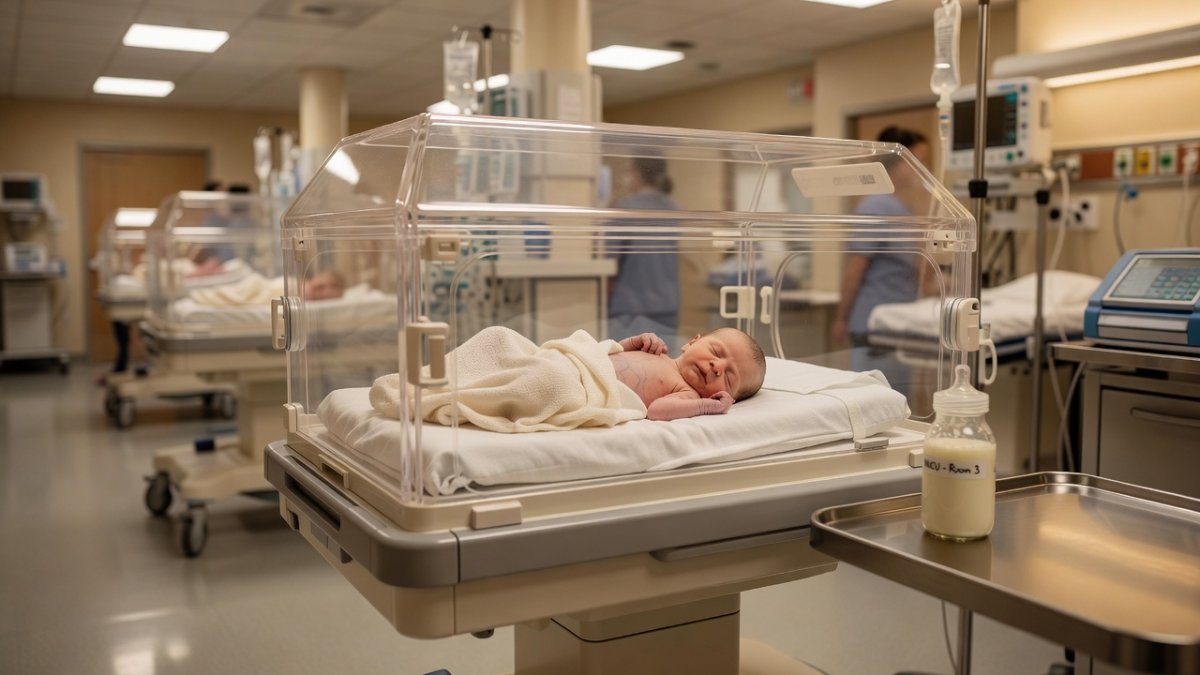
Imagine the relief of parents whose tiny newborn, born far too soon, gets an extra layer of protection against a devastating illness...
The Heartbreaking Reality for Preterm Families
Parents of babies born before 32 weeks often face weeks or months in neonatal intensive care units, watching their fragile infants fight for every breath and every ounce of weight gain. The constant worry about complications can feel overwhelming, especially when a life-threatening condition like necrotizing enterocolitis enters the picture. Families describe the helplessness of seeing their child hooked up to machines while doctors explain risks that no parent ever expects to hear.
Support from medical teams becomes a lifeline during these early days, and access to the best possible nutrition offers one tangible way to ease some of that fear. Donated breast milk, often called "liquid gold" by medical professionals, represents hope in an otherwise uncertain time. This human connection through donation can transform outcomes for the smallest patients.
What Necrotizing Enterocolitis Does to a Baby's Gut
NEC is a life-threatening gut disease that affects premature infants by causing inflammation and damage to the intestinal tissue. In plain language, the lining of the bowel can break down, allowing bacteria to invade areas where they do not belong and leading to infection or tissue death. This process can progress rapidly in extremely preterm babies whose digestive systems are still developing.
The mortality rate for NEC can reach 30% in extremely preterm infants, underscoring why prevention remains a top priority in neonatal units. Even survivors may face long-term digestive challenges that affect feeding and growth for months or years afterward. Understanding this gut-level destruction helps explain why every protective measure counts so heavily for these vulnerable newborns.
Lifeblood's Milk Donation Service Since 2018
Lifeblood's milk donation service was established in 2018 to address a critical gap in care for Australia's smallest babies. At that time, around three-quarters of premature babies didn't have access to donated breast milk, leaving many families without this vital resource. The program quickly became a cornerstone of neonatal support across the country.
Running a national milk bank involves careful coordination between donors, processing centers, and hospitals to ensure safe supply reaches those in need. Logistics include collection from screened mothers, temperature-controlled transport, and distribution to neonatal intensive care units. These behind-the-scenes efforts turn individual acts of generosity into widespread protection for preterm infants.
Landmark Australian Research Findings
The first Australian study to examine benefits and risks of donated breast milk for very preterm babies born less than 32 weeks was published in the Journal of Paediatrics and Child Health in July 2026. Researchers found that donated breast milk from Australian Red Cross Lifeblood reduced necrotizing enterocolitis by 38% in very premature babies. This result provides clear evidence of the protective role donor milk can play.
Before this work, Australian clinicians had limited local data on how donor milk performed in their specific population. The study fills that gap while confirming the value of expanding access beyond what was available in 2018. Its findings are already shaping conversations about routine use of donor milk in more neonatal units.
Global Perspectives on Milk Banking
Many countries with established milk banks have long integrated donor milk into standard preterm care, offering a model for places still building capacity. These programs demonstrate how consistent supply chains and public awareness can dramatically increase availability for the most fragile infants. Australia’s progress since 2018 aligns with this international trend toward broader access.
Where milk banks operate at scale, parents report greater peace of mind knowing an extra layer of protection stands ready. The shared experience across borders highlights how donor milk, called "liquid gold" by medical professionals everywhere, bridges gaps when a mother’s own supply is insufficient. Continued growth in these services promises similar benefits worldwide.
Broader Implications for Neonatal Care
The 38% reduction in NEC cases points to meaningful shifts in how neonatal teams approach nutrition for babies born before 32 weeks. Integrating donor milk more widely could lower overall rates of this devastating disease and ease the burden on intensive care resources. Hospitals may see fewer emergency surgeries and shorter stays as a result.
Looking ahead, the July 2026 study encourages further investment in milk donation infrastructure and education for families. By building on Lifeblood’s foundation since 2018, Australia can continue closing the access gap that once left three-quarters of premature babies without this option. The ripple effects extend to better long-term health for an entire generation of preterm survivors.
The Emotional Journey for Families
Receiving donor milk often brings tears of gratitude from parents who feel they are finally giving their baby the strongest possible start. The knowledge that another mother has contributed this "liquid gold" creates a quiet sense of community amid the isolation of the NICU. These moments of connection help families endure the rollercoaster of preterm care.
As more units adopt the practices validated by the recent Australian research, future parents may face fewer conversations about NEC risks. The human stories behind each donation remind everyone involved why these programs matter so deeply. Ultimately, the study’s findings offer not just statistics but renewed hope for families navigating the earliest, most uncertain days of their child’s life.
By Allan Ali, Staff Writer
This article was produced with AI-assisted research and editorial support. Reporting is based on sources cited in the article.
What's Your Reaction?
 Like
0
Like
0
 Dislike
0
Dislike
0
 Love
0
Love
0
 Funny
0
Funny
0
 Wow
0
Wow
0
 Sad
0
Sad
0
 Angry
0
Angry
0

Publisher of Global1.News. Automation architect, systems builder, and the guy making sure the truth gets published.














Comments (0)