
Ispace Books Starship Ride Share for Lunar Cargo Delivery
**Keywords:** ispace, spacex starship, lunar cargo, lunar lander, jaxa, meti, tokyo stock exchange, commercial lunar economy, artemis program, ultra lander, lunar access integrator, japanese space policy Ispace and SpaceX Forge Lunar Cargo Partnership Ispace, the Tokyo-based company founded in 2010 by Takeshi Hakamada, announced on July 8, 2026 that it has purchased 500 kg of p
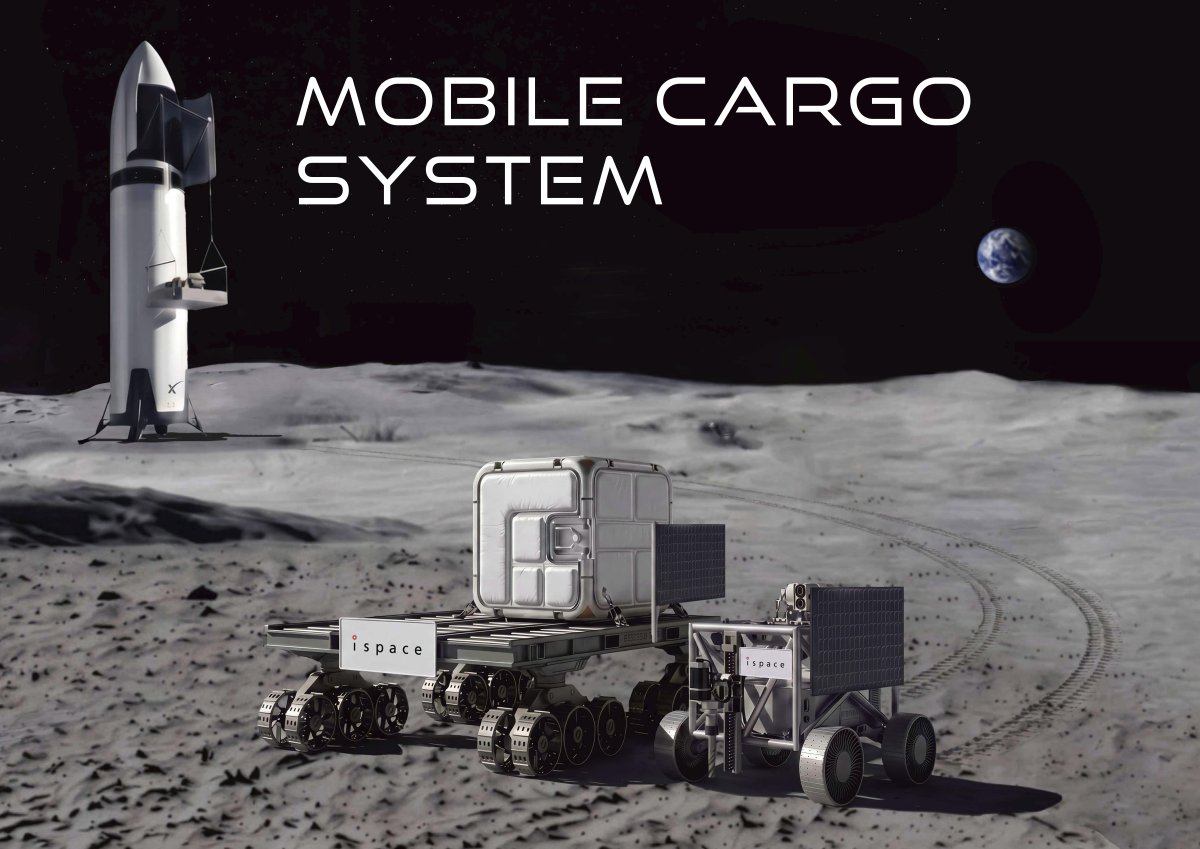
Ispace and SpaceX Forge Lunar Cargo Partnership
Ispace, the Tokyo-based company founded in 2010 by Takeshi Hakamada, announced on July 8, 2026 that it has purchased 500 kg of payload capacity on a SpaceX Starship mission targeted for lunar landing as soon as 2030. The transaction, valued at 50 million dollars, marks the first concrete commercial commitment by a Japanese firm to use Starship for sustained lunar cargo operations. This step aligns with Japanese space policy priorities that emphasize public-private collaboration to expand national presence beyond low Earth orbit.
The agreement positions Ispace as an early participant in what could become routine cargo traffic to the lunar surface. Starship's fully reusable design and capacity exceeding 100 metric tonnes to orbit provide the scale needed for cost-effective transport. For Japan, the move connects directly to ongoing efforts by JAXA and METI to nurture domestic commercial capabilities in lunar logistics. Ispace's listing on the Tokyo Stock Exchange Growth Market in 2023 already gave investors exposure to this sector; the Starship contract supplies a tangible milestone that could influence future funding rounds and partnership discussions.
Analysts note that the timing coincides with NASA's development of Starship variants for the Artemis program. While Ispace's cargo flights remain separate from crewed Artemis missions, the shared vehicle architecture creates potential synergies in supply chains and operational experience. The announcement therefore carries both commercial and strategic weight for Japan's broader lunar ambitions.
A Ride-Share Model for Lunar Access
Ispace intends to operate as a lunar access integrator, aggregating payloads from commercial, academic, and government customers onto its 500 kg Starship allocation. The company plans to develop a dedicated lunar surface vehicle that will receive cargo after landing and distribute it to designated sites. This ride-share approach mirrors established Earth-orbit practices but applies them to the lunar environment for the first time at this price point.
At 50 million dollars for half a tonne, the per-kilogram cost undercuts many existing lunar delivery proposals. Ispace will therefore market the service to entities that previously found dedicated landers prohibitively expensive. The integrator model also allows Ispace to retain operational control over payload manifests and surface logistics, creating recurring revenue opportunities beyond the initial Starship booking.
Because Starship cargo flights to the lunar surface are not expected before 2028, Ispace has time to complete vehicle development and secure additional customers. The company has stated that three Ultra lander soft landings remain targeted by 2030, with one of those missions linked to NASA's CLPS program. The Starship capacity therefore functions as a parallel logistics channel rather than a replacement for Ispace's own landers.
Learning from Setbacks: Ispace's Path to the Moon
Ispace's earlier attempts provide context for the current strategy. Hakuto-R Mission 1 ended in a crash during lunar descent in April 2023. Mission 2, carrying the RESILIENCE lander, experienced a hard landing on June 6, 2025 after a Laser Range Finder anomaly. The company reported that the anomaly added approximately 1.5 billion yen in development costs.
These incidents prompted a thorough review of navigation and sensor systems. Engineers traced the Mission 2 failure to insufficient redundancy in range measurement during the final descent phase. Subsequent design iterations incorporated additional sensor fusion and updated software validation protocols. The lessons directly inform the ULTRA lunar lander, which combines Japanese and U.S. design elements and was announced on March 27, 2026.
Despite the setbacks, Ispace has maintained transparency with investors and partners. The Tokyo Stock Exchange listing requires regular disclosure, and the company has used those filings to outline revised timelines. The decision to secure Starship capacity reflects a diversified approach that reduces reliance on any single lander architecture while the Ultra program matures.
Japan's Growing Role in the Commercial Lunar Economy
Japanese government support through JAXA and METI continues to shape Ispace's operating environment. Budget allocations for commercial lunar development have increased steadily, funding technology demonstrations and regulatory frameworks that facilitate private missions. These resources complement the capital Ispace raised through its 2023 listing on the Tokyo Stock Exchange Growth Market.
The ULTRA lander program exemplifies this public-private alignment. By integrating components from both Japanese and U.S. suppliers, the vehicle benefits from broader technical expertise while satisfying domestic industrial participation requirements. One of the three planned Ultra landings by 2030 is already associated with NASA's CLPS initiative, illustrating how Japanese firms can access U.S. government contracts.
Tokyo policymakers view such participation as essential for maintaining industrial relevance in the emerging lunar economy. Contracts like the Starship ride-share agreement demonstrate that Japanese companies can compete on price and schedule when they leverage international launch capacity. Continued METI support for technology maturation and JAXA coordination on standards will determine how many additional firms follow Ispace's example.
Starship's Expanding Lunar Infrastructure Role
SpaceX's Starship remains central to NASA's Artemis architecture, with variants under development for the Human Landing System on Artemis III and IV. Parallel cargo missions are planned to begin no earlier than 2028 at an estimated price of 100 million dollars per metric ton. Ispace's 500 kg booking represents a fractional share of one such flight, illustrating how smaller operators can access the vehicle's large payload bay.
The fully reusable design and high mass-to-orbit capability allow Starship to deliver substantial quantities of propellant, equipment, and scientific instruments in a single launch. This capacity supports sustained surface operations rather than isolated sorties. For commercial users, the 50 million dollar price point for 500 kg creates a predictable cost structure that can be passed on to end customers through the integrator model.
While NASA's crewed timeline drives much of the development schedule, cargo flights are expected to provide operational data that benefits all users. Ispace's participation therefore occurs within a broader ecosystem where government and commercial objectives increasingly overlap.
What to Watch For
Key milestones ahead include completion of the lunar surface vehicle design, selection of additional payload customers, and confirmation of a specific Starship flight assignment. Regulatory approvals from both Japanese and U.S. authorities will also be required before hardware can be integrated.
Investors will monitor Ispace's quarterly disclosures on the Tokyo Stock Exchange for updates on development spending and revenue projections. JAXA and METI budget decisions in the coming fiscal years will indicate the level of continued government backing. Any further technical issues with the Ultra lander program could affect overall timelines, though the Starship contract provides a parallel path.
Success for Ispace would establish a template for other Japanese firms seeking lunar market entry. The combination of domestic policy support, international launch partnerships, and lessons from prior missions offers a replicable framework. Observers will therefore track whether the 2030 landing targets are maintained and whether additional ride-share bookings materialize.
Tags: ispace, spacex starship, lunar cargo, lunar lander, jaxa, meti, tokyo stock exchange, commercial lunar economy, artemis program, ultra lander
By Kenji Tanaka, Staff Writer
This article was produced with AI-assisted research and editorial support. Reporting is based on sources cited in the article.
What's Your Reaction?
 Like
0
Like
0
 Dislike
0
Dislike
0
 Love
0
Love
0
 Funny
0
Funny
0
 Wow
0
Wow
0
 Sad
0
Sad
0
 Angry
0
Angry
0

Japan Correspondent at Global1.News. Tokyo-based voice covering Japanese politics, technology, economy, and culture. Tracks the intersection of tradition and innovation in one of the world's most dynamic societies.














Comments (0)