
Israeli Strikes on Nabatieh Challenge New Lebanon Peace Pact
In a stark illustration of the fragility of Middle East diplomacy, Israeli airstrikes struck the Lebanese city of Nabatieh al-Fawqa on June 27, 2026 — less than 24 hours after Israel and Lebanon signed a landmark agreement mediated by the United States and France intended to launch formal peace talks. The timing of the strikes has sent shockwaves through diplomatic circles and
In a stark illustration of the fragility of Middle East diplomacy, Israeli airstrikes struck the Lebanese city of Nabatieh al-Fawqa on June 27, 2026 — less than 24 hours after Israel and Lebanon signed a landmark agreement mediated by the United States and France intended to launch formal peace talks. The timing of the strikes has sent shockwaves through diplomatic circles and raised urgent questions about the viability of the newly signed framework for border demarcation and security cooperation.
Israeli Strikes on Nabatieh Challenge New Lebanon Peace Pact
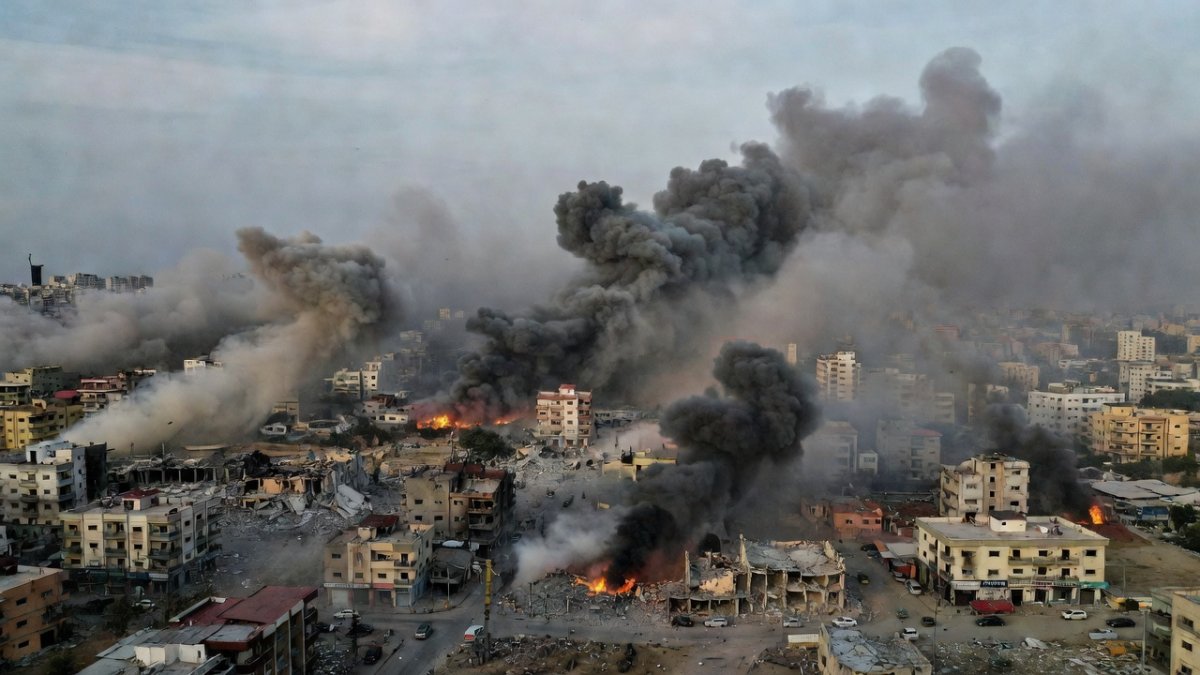
Beirut, Lebanon – June 27, 2026 — Israeli airstrikes targeted the Lebanese city of Nabatieh al-Fawqa on June 27, producing visible plumes of smoke captured in footage from Al Arabiya English. The attacks occurred less than 24 hours after a US-France mediated agreement intended to launch formal peace talks.
The Strikes on Nabatieh al-Fawqa
Israeli airstrikes targeted the Lebanese city of Nabatieh al-Fawqa on June 27, 2026, producing visible plumes of smoke captured in footage from Al Arabiya English. The attacks occurred less than 24 hours after Israel and Lebanon signed a US-France mediated agreement intended to launch formal peace talks. Initial reports indicate strikes focused on areas near the city’s outskirts, consistent with patterns of targeting suspected militant infrastructure.
Lebanese Prime Minister Nawaf Salam condemned the strikes as a direct violation of the newly signed framework. Israeli Prime Minister Benjamin Netanyahu’s office described the operation as a necessary defensive measure against imminent threats. Casualty figures remained unconfirmed in the immediate aftermath, though local hospitals reported treating several wounded civilians.
Residents described hearing multiple explosions followed by emergency sirens. The timing raised immediate questions about whether hardline elements on either side sought to sabotage the diplomatic opening. International observers noted similarities to incidents preceding the 2006 war, when border exchanges escalated rapidly despite existing ceasefires.
Early diplomatic reactions from Washington and Paris urged both parties to exercise restraint and uphold the agreement’s spirit. The strikes underscored the fragility of any de-escalation process in southern Lebanon, where even limited military action can trigger broader cycles of retaliation.
The June 2026 Agreement
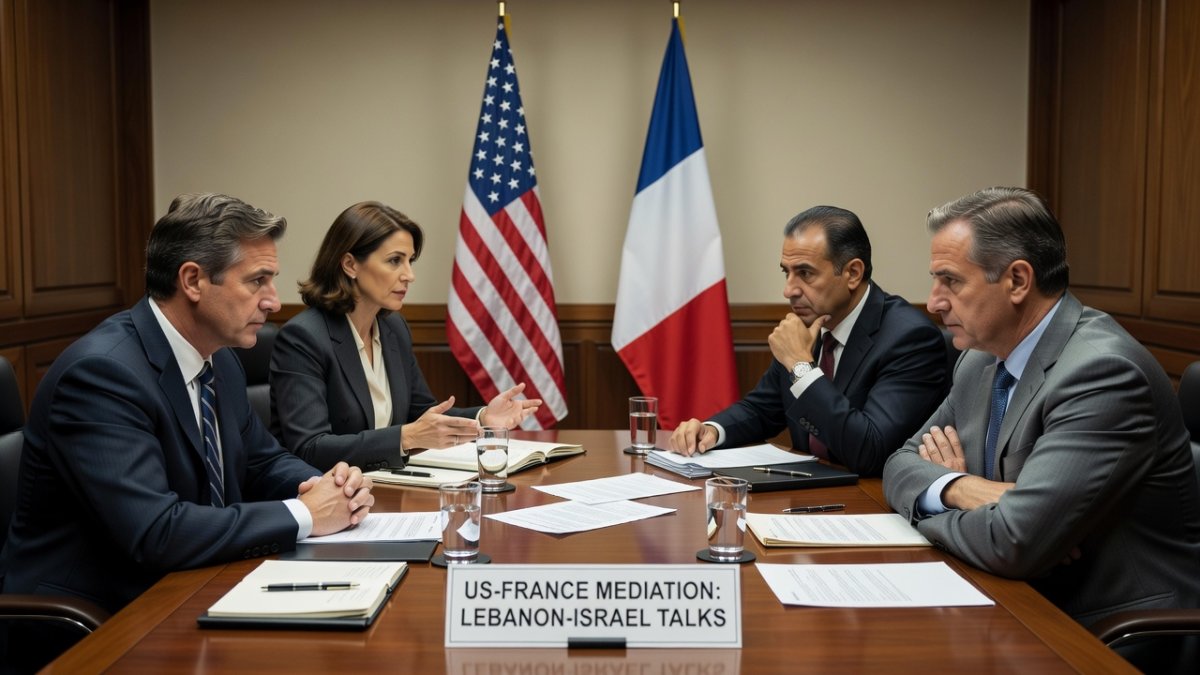
The June 2026 agreement, brokered by US envoy Amos Hochstein and French diplomat Jean-Yves Le Drian, outlined phased border demarcation along the Blue Line and new security arrangements south of the Litani River. The deal referenced UN Resolution 1701 as its legal foundation while adding concrete mechanisms for monitoring and verification. Both governments committed to resuming indirect talks within 60 days.
Key provisions included joint mapping of disputed points near Ghajar and Shebaa Farms, alongside restrictions on heavy weapons deployment. Economic incentives tied to Gulf sovereign wealth funds were discussed privately, with estimates suggesting up to $3 billion in reconstruction support contingent on implementation. Lebanese officials viewed the package as essential for restoring state authority in the south.
Israeli negotiators insisted on verifiable Hezbollah withdrawal from forward positions. The agreement avoided explicit normalization language but opened pathways for future economic cooperation modeled on Abraham Accords frameworks. Analysts noted that success depended on sustained US-French pressure amid competing regional priorities.
Implementation timelines stretched into late 2026, with quarterly review meetings scheduled in Geneva. The document’s emphasis on sovereignty and security reflected lessons from previous failed initiatives, yet left critical details on enforcement unresolved.
Hezbollah and Lebanese Sovereignty
Hezbollah maintains significant military infrastructure in southern Lebanon, operating parallel to the weakened Lebanese Armed Forces. Secretary-General Hassan Nasrallah has repeatedly asserted the group’s role as the primary defender against Israeli incursions, complicating Beirut’s ability to assert full sovereignty. The June agreement sought to address this duality by strengthening state institutions without directly confronting Hezbollah’s political standing.
Lebanon’s economic crisis has further eroded central authority, leaving reconstruction costs estimated at $10-15 billion for war-damaged areas. Hezbollah’s social service networks fill gaps left by the state, creating dual power structures that resist external pressure. Iranian financial and weapons support sustains this arrangement despite international sanctions.
Israeli officials argue that any durable peace requires Hezbollah’s effective disarmament south of the Litani, a demand rejected by the movement’s leadership. The strikes on Nabatieh appeared calibrated to signal continued Israeli willingness to act unilaterally when state mechanisms prove insufficient. This dynamic perpetuates a cycle where Lebanese sovereignty remains aspirational rather than operational.
Regional Linkages: Iran, Gulf States, and Energy
Iran views Hezbollah as a critical forward asset in its confrontation with Israel and the United States. Tehran’s support includes advanced missiles and funding streams that bypass Lebanese state channels. The June agreement threatened to constrain these networks, prompting Iranian warnings against concessions that weaken the “axis of resistance.”
Gulf states, particularly Saudi Arabia and the UAE, hold sovereign wealth assets exceeding $1.2 trillion combined and have signaled conditional interest in Lebanese reconstruction. Energy route security through the eastern Mediterranean adds strategic weight, as instability risks disrupting potential gas export corridors. Abraham Accords signatories see Lebanese stabilization as complementary to broader normalization efforts.
US policy seeks to balance deterrence against Iran with incentives for Gulf investment. French mediation emphasizes economic recovery tied to political reforms. The Nabatieh strikes risk derailing these calculations by reinforcing narratives of perpetual conflict that deter capital inflows and energy cooperation.
Israeli Strategic Calculus
Israeli decision-makers prioritize deterrence and border security above immediate diplomatic gains. The strikes reflect calculations that limited force can disrupt Hezbollah preparations without derailing the broader peace track. Netanyahu’s government faces domestic pressure to demonstrate resolve following previous rounds of escalation.
Long-term strategy incorporates lessons from the 2006 war and subsequent border incidents, favoring proactive measures over reliance on international guarantees alone. The agreement’s security provisions were welcomed but viewed skeptically given past compliance failures. Israeli planners weigh risks of wider war against the costs of sustained low-intensity conflict.
Deterrence signaling also targets Iranian proxies beyond Lebanon. By acting swiftly after the agreement, Israel aimed to establish red lines that future talks must respect. This approach aligns with regional dynamics where military credibility underpins diplomatic leverage.
International Mediation and Future Risks
UNIFIL forces along the Blue Line face renewed operational challenges following the strikes. The US-France mediation team continues shuttle diplomacy, yet risks of renewed violence remain high if verification mechanisms prove inadequate. Historical precedents show that agreements without robust enforcement often collapse under pressure from non-state actors.
Normalization prospects with additional Arab states hinge on visible progress in Lebanon. Failure could stall momentum built since the Abraham Accords. Both Washington and Paris have warned against actions that undermine the June framework, though enforcement tools remain limited.
Future risks include miscalculation leading to wider confrontation involving Iran. Sustained mediation requires credible commitments from all parties, including Hezbollah’s political wing. Without tangible de-escalation on the ground, the agreement may join previous initiatives that produced temporary calm rather than lasting peace.
Regional Implications
The Nabatieh strikes illustrate how local incidents can reverberate across Middle East alliances and energy markets. Renewed instability threatens Gulf investment plans and complicates efforts to integrate Lebanon into wider economic frameworks. Iran gains propaganda advantages while moderate actors face pressure to respond.
Stability in Lebanon remains linked to broader US-Iran tensions and the durability of Abraham Accords-era arrangements. Successful implementation of the June agreement could unlock reconstruction funds and reduce proxy conflict risks. Conversely, escalation risks higher reconstruction costs and prolonged humanitarian strain.
Regional actors will monitor whether the strikes represent an isolated response or the start of a new pattern. The coming months will test whether diplomatic openings can withstand immediate security challenges in one of the Middle East’s most volatile theaters.
By Malik Hassan, Staff WriterThis article was produced with AI-assisted research and editorial support. Reporting is based on sources cited in the article.
What's Your Reaction?
 Like
0
Like
0
 Dislike
0
Dislike
0
 Love
0
Love
0
 Funny
0
Funny
0
 Wow
0
Wow
0
 Sad
0
Sad
0
 Angry
0
Angry
0

Middle East Correspondent at Global1.News. Based in Beirut, covering politics, conflict, energy, and society across the Middle East. Brings context and depth to a region often reduced to headlines.












Comments (0)