
Israel Democrats Hold First Primary with Record 86% Turnout
The i24NEWS English video titled "Israel's Democrats party first to hold internal primaries" is embedded at the top of this report, offering viewers direct footage of the historic voting process that unfolded across Israel. This visual record captures the moment when thousands of party members used their mobile phones to shape the future of the newly formed Israel Democrats party.
The i24NEWS English video titled "Israel's Democrats party first to hold internal primaries" is embedded at the top of this report, offering viewers direct footage of the historic voting process that unfolded across Israel. This visual record captures the moment when thousands of party members used their mobile phones to shape the future of the newly formed Israel Democrats party. The primary marked a significant step for a political entity that emerged only months earlier and now positions itself as a central force in upcoming national elections.
The event drew widespread attention because it represented the first time the party conducted an internal selection process open to its full membership base. Observers noted the smooth execution of the digital system and the high level of participation that exceeded typical expectations for such votes. As the results began to emerge, analysts highlighted how the outcome would influence the party's ability to challenge the current government coalition ahead of the 2026 Knesset election.
Merger Background
The Israel Democrats party was formed in July 2024 through the merger of the Labor and Meretz parties, creating a unified center-left platform under the leadership of Yair Golan. Golan, who serves as the party's chairman and previously held the position of deputy IDF chief of staff, guided the consolidation process to strengthen the opposition's organizational capacity. The merger combined the institutional experience of Labor with the progressive activism associated with Meretz, resulting in a single entity with approximately 112,000 registered members at the time of the primary.
This union allowed the party to present a cohesive message focused on democratic renewal and social equality. Golan's military background provided a distinctive profile that appealed to voters seeking credible leadership on security matters while advancing liberal domestic policies. The formation in July 2024 positioned the Democrats as an immediate contender in the political landscape, distinct from smaller factions that had previously competed separately.
Compared to past Israeli primaries, such as those held by Labor in the 1990s when membership peaked before declining sharply, the current surge to more than 114,000 total members represents the highest level since that era. The party described the recent wave of additions as an unprecedented democratic surge, reflecting broader societal engagement amid national challenges. This growth contrasts with fragmented opposition efforts in previous cycles, where separate Labor and Meretz lists often split the center-left vote.
Deeper analysis shows the merger's timing allowed the Democrats to consolidate resources ahead of the 2026 vote, avoiding the dilution seen in 2022 when Meretz failed to cross the threshold. Party officials noted that the unified structure now mirrors successful center-left consolidations in earlier decades, positioning Golan's leadership as a bridge between institutional traditions and activist energy.
Reactions from within the party emphasized the slate's reflection of a broad cross-section of Israeli society, with senior figures highlighting how the process strengthened internal cohesion. This approach carries strategic implications for attracting undecided voters disillusioned by coalition policies, potentially expanding beyond core bases in Tel Aviv and Haifa.
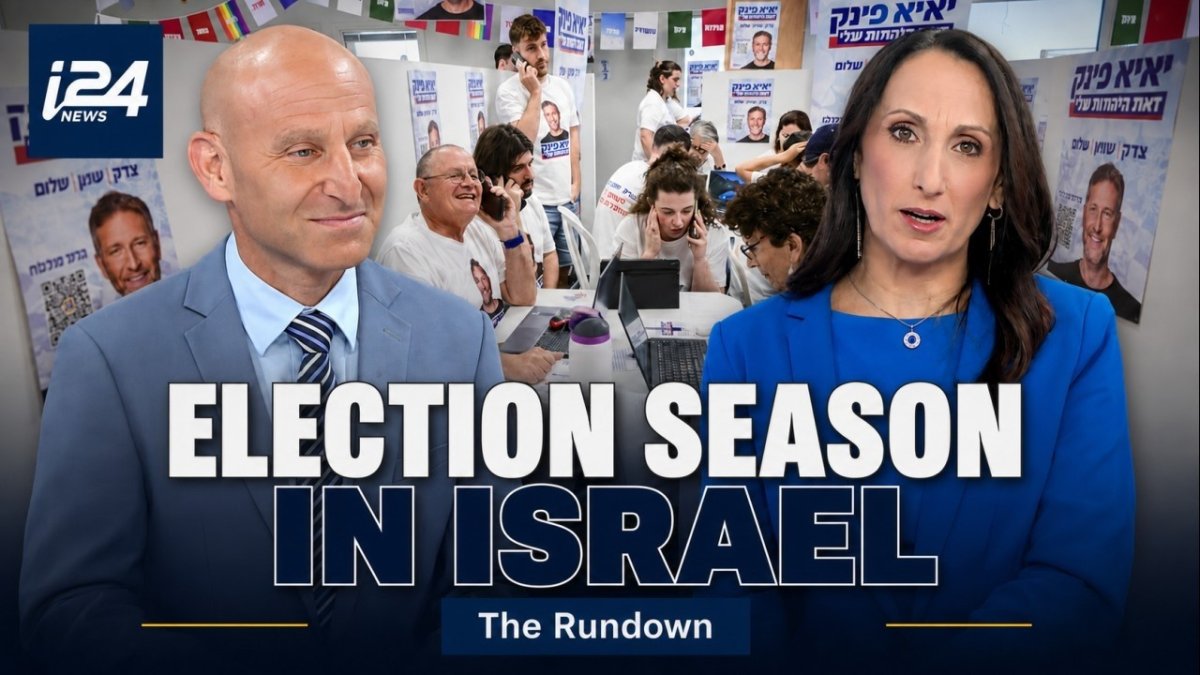
Primary Mechanics
The primary election employed a fully digital voting system accessible exclusively through mobile phones, with polls open from 9am to 7pm on the designated day. This format enabled the roughly 112,000 registered members to participate from any location, contributing to the recorded turnout of 86.2 percent that saw more than 97,000 votes cast. Fifty-one candidates competed for the 10 to 12 realistic Knesset slots that the party anticipates securing in the next election.
The high participation rate reflected strong member engagement following the July 2024 merger. Organizers emphasized the accessibility of the mobile platform, which eliminated traditional polling station requirements and allowed real-time verification of eligibility. The process concluded without reported technical disruptions, setting a precedent for future internal contests within the party.
Unlike historical Israeli primaries that relied on physical polling stations and often faced logistical hurdles, this virtual format marked the first time such an election was conducted entirely online through a secure digital system accessible via mobile phones and computers. The innovation drew comparisons to limited digital experiments in past Labor votes but surpassed them in scale and security measures.
Analysis of the results indicates the high turnout signals robust grassroots mobilization, exceeding participation rates in many prior center-left contests where apathy reduced engagement. This digital approach not only boosted accessibility but also allowed real-time monitoring, reducing disputes common in earlier paper-based systems.
Political strategy implications include demonstrating technological competence to younger voters, while the virtual nature enabled candidates like Naama Lazimi to monitor developments from her Tel Aviv campaign headquarters on July 20, 2026. Party leaders view this as a model for sustained engagement ahead of national elections.
Slate Results and Analysis
The top nine candidates selected through the primary were Naama Lazimi, Gilad Kariv, Efrat Rayten, Yair "Yaya" Fink, Gaby Lasky, Omri Ronen, Michal Rozin, Moshe Radman Abutbul, and Sumaya Bashir. Yair "Yaya" Fink's placement in fourth or fifth position surprised many observers given his relatively recent prominence within the merged structure. In contrast, Nimrod Shapir finished in eleventh place, lower than anticipated based on pre-vote assessments.
Chairman Yair Golan reserved two slots on the final slate to maintain balance between the former Labor and Meretz factions. Defense Minister Israel Katz sent a letter demanding that Omri Ronen be removed from reserve service, adding external pressure during the final stages of slate formation. These adjustments ensured representation from both legacy parties while incorporating the primary results.
The outcome demonstrated the membership's preference for a mix of established figures and newer voices. The inclusion of candidates such as Sumaya Bashir underscored the party's commitment to diverse representation within its leadership ranks.
Historical context reveals parallels to past primaries where factional tensions influenced outcomes, yet here the primary process mitigated some divisions seen in pre-merger Labor and Meretz contests. The results mean a stronger emphasis on candidates with broad appeal, sidelining those viewed as too narrowly aligned with one legacy group.
Quotes from party officials captured the sentiment: "Most Democrats voters have sound political judgment, which is why they chose an excellent slate and left the extremists out." Golan added, "What an incredible list. This is what an awakening looks like. This is what a camp that has risen to its feet and is ready to take the wheel looks like." Rayten's campaign responded that "Party members have spoken: They want Rayten as justice minister."
Strategic implications point to deliberate efforts by senior Democrats officials to weaken candidates closely identified with Meretz, fostering a balanced slate that appeals across the center-left spectrum. Omri Ronen's boosted profile, aided by external pressure from Defense Minister Israel Katz, illustrates how external interventions can shape internal dynamics in Israeli politics.
Policy Platform
The party's platform centers on several core commitments, including the establishment of a commission of inquiry into the events of October 7, the repeal of the judicial overhaul legislation, and the introduction of public transportation on Shabbat. Additional positions call for civil marriage, opposition to West Bank annexation, equal military service across all sectors of society, protection of press freedom, action against Jewish terrorism, and the advancement of Jewish-Arab partnership.
These elements form a cohesive agenda aimed at restoring institutional norms and expanding social inclusion. The platform explicitly rejects territorial expansion in the West Bank while prioritizing accountability mechanisms for past security failures. Golan has described the resulting slate as the spearhead of the camp for change, emphasizing its role in unifying progressive forces.
The emphasis on equal military service and civil marriage reflects long-standing priorities from both Labor and Meretz traditions. Protection of the press and measures against Jewish terrorism address concerns about democratic erosion and internal security threats.
In historical terms, these positions echo platforms from earlier center-left primaries but gain renewed urgency amid post-October 7 realities, differing from more incremental approaches in 1990s Labor-led governments. The results signal a decisive shift toward accountability-focused policies that could resonate with security-conscious voters.
Golan formally opened the party's election campaign after results were announced, pledging to rehabilitate communities in northern Israel and the Gaza border region while vowing to oppose annexation, act against Jewish terrorism, and evacuate illegal outposts. He stressed that the election would determine the country's future.
Strategy-wise, the platform positions the Democrats to challenge coalition narratives on security and democracy, leveraging Golan's military credentials to broaden appeal beyond traditional strongholds.
Electoral Projections
Current projections indicate that the Israel Democrats party could secure between 10 and 12 seats in the 2026 Knesset election, establishing it as the main center-left challenger to Prime Minister Netanyahu's 64-seat coalition. This positioning stems from the unified structure created by the July 2024 merger and the visible momentum generated by the primary process.
Golan has publicly characterized the Democrats as the greatest and most tangible threat to the current government. The party's ability to consolidate votes from former Labor and Meretz supporters provides a foundation for broader appeal among center-left voters disillusioned with fragmented opposition options.
The anticipated seat total would allow the party to influence coalition negotiations and legislative priorities if those projections hold. The primary results have already strengthened internal cohesion ahead of the national campaign.
Compared to past elections where divided opposition lists limited center-left gains, these projections reflect the merger's success in unifying support, potentially mirroring Labor's stronger showings in the 1990s. The primary's high engagement underscores voter readiness for a consolidated alternative.
Deeper analysis suggests the slate's composition could attract swing voters by balancing security expertise with progressive policies, with implications for post-election bargaining power in a fragmented Knesset.
Party reactions highlighted the democratic surge as evidence of growing momentum, setting the stage for targeted outreach in peripheral regions ahead of 2026.
Regional and Security Implications
The primary outcome carries implications for Israel's regional posture, particularly through the platform's call for a commission of inquiry into October 7 and its firm stance against West Bank annexation. These positions signal a willingness to pursue accountability and diplomatic avenues that differ from the current coalition's approach.
Golan's background as former deputy IDF chief of staff lends credibility to the party's security-related messaging, including support for equal military service. The slate's composition, featuring candidates with varied expertise, prepares the party to address both domestic reforms and external challenges.
The emphasis on acting against Jewish terrorism and fostering Jewish-Arab partnership further shapes the party's regional outlook. These elements aim to reduce internal divisions while maintaining a robust defense posture.
Historical comparisons show these stances build on prior opposition critiques but intensify focus on northern border rehabilitation, a priority heightened by recent conflicts unlike earlier primaries centered mainly on Gaza issues.
Analysis indicates the results empower the party to critique government handling of security failures while proposing partnership models that could ease regional tensions, with strategic value in appealing to Arab-Israeli voters.
Golan's pledges on evacuating illegal outposts and opposing annexation carry direct implications for West Bank dynamics, distinguishing the Democrats in upcoming debates.
Conclusion and What Comes Next
The successful completion of the first internal primary solidifies the organizational foundation of the Israel Democrats party ahead of the 2026 election. With a clear slate and defined platform, the party is positioned to contest the Netanyahu coalition directly.
Future steps include finalizing the reserved slots and expanding outreach to additional voter segments. The high turnout and digital efficiency demonstrated during the primary provide a model for sustained member engagement. Observers will monitor how the selected candidates translate their positions into legislative action once the Knesset campaign intensifies.
Building on the primary's momentum, the party plans intensified regional tours to highlight rehabilitation pledges for border communities, drawing on the broad societal representation in the slate. This phase will test the unified message against coalition responses.
Strategic implications include leveraging the digital voting precedent for future internal processes, ensuring continued high engagement as the campaign advances toward national polls.
By Hannah Berg, Staff Writer
This article was produced with AI-assisted research and editorial support. Reporting is based on sources cited in the article.
What's Your Reaction?
 Like
0
Like
0
 Dislike
0
Dislike
0
 Love
0
Love
0
 Funny
0
Funny
0
 Wow
0
Wow
0
 Sad
0
Sad
0
 Angry
0
Angry
0

Israel Correspondent at Global1.News. Based in Tel Aviv, covering Israeli politics, security, technology, and society. Provides balanced, deeply-sourced reporting on one of the most closely-watched regions in the world.















Comments (0)