
Israeli Border Police Uncover Terror Tunnels to Jerusalem
According to an i24NEWS report published this week, Israeli Border Police units known as Magav uncovered a sophisticated network of terror tunnels linking the West Bank directly to neighborhoods in southern Jerusalem. The discovery, made during routine operations near the West Bank village of Beit Jala in recent days, has raised immediate alarms across Israeli security circles
According to an i24NEWS report published this week, Israeli Border Police units known as Magav uncovered a sophisticated network of terror tunnels linking the West Bank directly to neighborhoods in southern Jerusalem. The discovery, made during routine operations near the West Bank village of Beit Jala in recent days, has raised immediate alarms across Israeli security circles about potential infiltration threats into the capital.
Tunnel Discovery Details
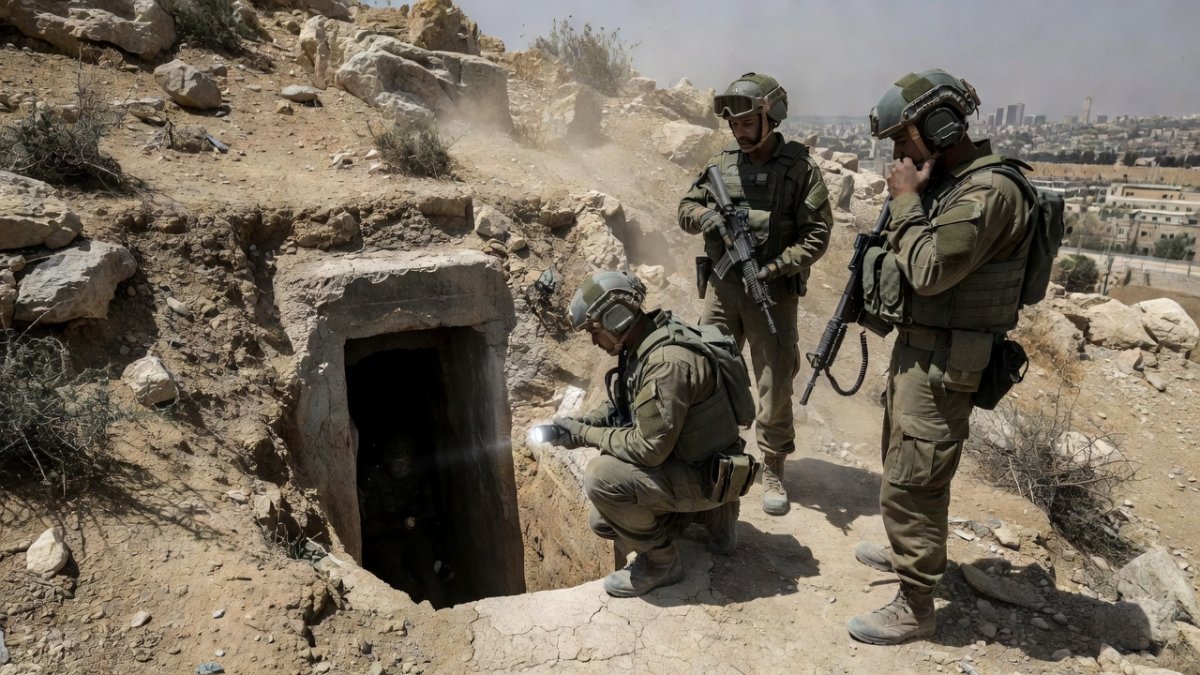
Magav forces, operating under the command of Colonel David Mizrahi, located three interconnected tunnels stretching approximately 800 meters from a site outside Beit Jala toward the Jerusalem neighborhood of Gilo. The tunnels featured reinforced concrete walls, electrical wiring, and ventilation shafts, indicating construction efforts spanning several months. Security sources confirmed that Hamas operatives from the West Bank cell in Hebron coordinated the project with logistical support traced to Iranian-backed networks operating near Bethlehem. Excavation equipment recovered included pneumatic drills and soil removal systems similar to those previously seized in Gaza operations.
Further searches revealed storage chambers stocked with small arms, explosives, and maps marking key Jerusalem sites including the Old City and government buildings in the Kiryat Menachem area. Magav spokesperson Lieutenant Eitan Barak stated that the tunnels were detected through ground-penetrating radar deployed after intelligence tips from the Shin Bet. No arrests have been reported yet, though operations continue in the adjacent Palestinian villages of al-Walaja and Sur Baher.
Security Implications for Jerusalem
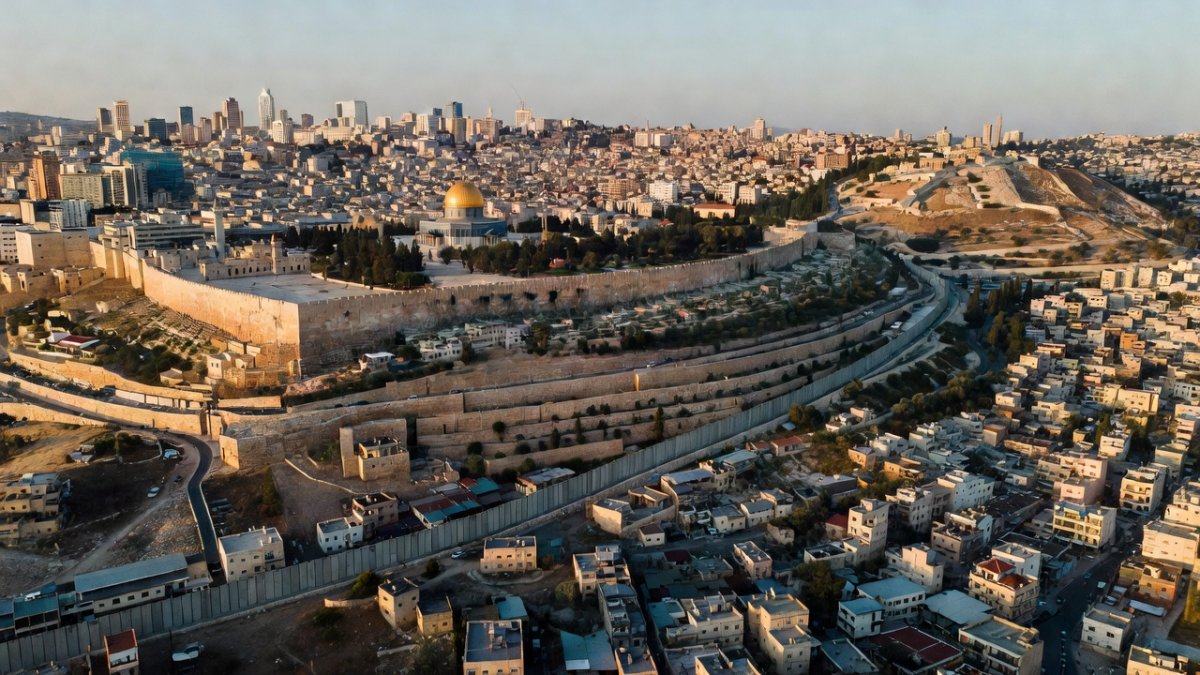
The tunnels pose direct risks to Jerusalem's southern flank, where civilian populations in Gilo and Malha reside close to the 1949 armistice line. Israeli officials note that successful infiltration could enable attacks on light rail stations along the Jerusalem Light Rail line or the Teddy Stadium during large events. Jerusalem Mayor Moshe Lion convened an emergency session with the Israel Police and IDF Home Front Command to review perimeter defenses around the capital's municipal boundaries.
These findings echo longstanding concerns about porous sections of the security barrier near East Jerusalem villages such as Abu Dis. The discovery forces a reassessment of Magav patrols along Route 60, the main highway connecting Jerusalem to the Gush Etzion settlement bloc. Security analysts emphasize that undetected tunnels could facilitate the smuggling of advanced weaponry from Iranian suppliers via Jordanian routes into the West Bank.
Regional Context of Tunnel Warfare
Tunnel warfare has defined conflicts involving Iranian proxies across the Middle East, most notably Hamas operations beneath the Gaza-Israel border near Rafah and Khan Yunis. Similar tactics employed by Hezbollah along the Lebanon frontier near Metula have prompted the IDF Northern Command to construct an underground barrier system completed in 2022. In the West Bank context, the Beit Jala tunnels represent an expansion of tactics previously limited to Gaza, with evidence pointing to technical advisors from the Quds Force of Iran's Islamic Revolutionary Guard Corps active in Nablus and Jenin.
Israeli intelligence assessments link the current network to funding channeled through the Hamas political bureau in Doha, Qatar. This development occurs amid heightened tensions following recent clashes near the Temple Mount and ongoing disputes over construction in the E1 area between Jerusalem and Maale Adumim. The pattern mirrors Hezbollah's cross-border tunnels uncovered near the Shebaa Farms in 2018, underscoring a coordinated axis strategy targeting Israeli population centers.
Israeli Government Response
Prime Minister Benjamin Netanyahu directed the Security Cabinet to allocate additional resources for tunnel detection technology along the West Bank separation barrier. Defense Minister Yoav Gallant ordered the immediate reinforcement of Magav battalions stationed at the Etzion Bloc and the deployment of seismic sensors near Jerusalem's municipal line. Finance Minister Bezalel Smotrich announced emergency funding for barrier upgrades between Bethlehem and Gilo.
Opposition leaders including Yair Lapid called for a cross-party review of intelligence failures that allowed construction to proceed undetected. The IDF Central Command, led by Major General Yehuda Fuchs, has initiated large-scale engineering surveys across the Ramallah-Jerusalem corridor. Officials confirmed that demolition of the discovered tunnels began this week under controlled explosions supervised by Magav engineers.
International Reactions
The United States State Department issued a statement condemning the tunnel construction as a violation of prior agreements and expressed support for Israel's right to self-defense. European Union foreign policy chief Josep Borrell urged both sides to avoid escalation while calling for renewed talks under the Quartet framework involving the UN, Russia, and the United States. Palestinian Authority President Mahmoud Abbas denied any involvement by his security forces in Ramallah and demanded an independent investigation.
Jordan's Foreign Ministry expressed concern over potential spillover effects near the Allenby Bridge crossing, while Egyptian officials monitoring the Rafah border crossing reiterated commitments to prevent weapons transfers. Qatar-based media outlets affiliated with Hamas praised the engineering feat without claiming direct responsibility. The UN Special Coordinator for the Middle East Peace Process, Tor Wennesland, scheduled consultations in Jerusalem with Israeli and Palestinian representatives next week.
Forward-Looking Analysis
Security experts anticipate accelerated construction of an underground detection barrier modeled on the Gaza envelope system, potentially extending from the Latrun salient to the Dead Sea. Long-term implications include strained relations with the Palestinian Authority security coordination mechanisms established under the Oslo Accords. Israeli planners are evaluating expanded Magav presence in East Jerusalem neighborhoods such as Issawiya and Jabal Mukaber to preempt similar projects.
Regional analysts foresee increased diplomatic pressure on Iran ahead of upcoming IAEA inspections in Tehran. The episode may influence upcoming Knesset debates on settlement expansion near the Etzion Bloc and funding for advanced counter-tunnel technologies developed by Rafael Advanced Defense Systems. Continued vigilance remains essential as winter weather could facilitate further excavation attempts before the end of the calendar year.
Israeli authorities continue to monitor social media channels linked to West Bank militant groups for indications of follow-on operations. The discovery underscores the persistent challenge of maintaining security along the Jerusalem periphery amid evolving threats from non-state actors supported by state sponsors in the broader Middle East theater.
By Hannah Berg, Staff Writer
This article was produced with AI-assisted research and editorial support. Reporting is based on sources cited in the article.
What's Your Reaction?
 Like
0
Like
0
 Dislike
0
Dislike
0
 Love
0
Love
0
 Funny
0
Funny
0
 Wow
0
Wow
0
 Sad
0
Sad
0
 Angry
0
Angry
0

Israel Correspondent at Global1.News. Based in Tel Aviv, covering Israeli politics, security, technology, and society. Provides balanced, deeply-sourced reporting on one of the most closely-watched regions in the world.











Comments (0)