
Typhoon Bavi Exposes East Asia's Interconnected Climate Vulnerabilities
Typhoon Bavi Exposes East Asia's Interconnected Climate Vulnerabilities Geopolitical Framing in Asia-Pacific Climate Resilience Trends The approach of Typhoon Bavi across the Pacific underscores the growing interdependence of East Asian nations in confronting extreme weather events that transcend national boundaries. With a span of 1,000km at its widest point, the storm illustr
Geopolitical Framing in Asia-Pacific Climate Resilience Trends
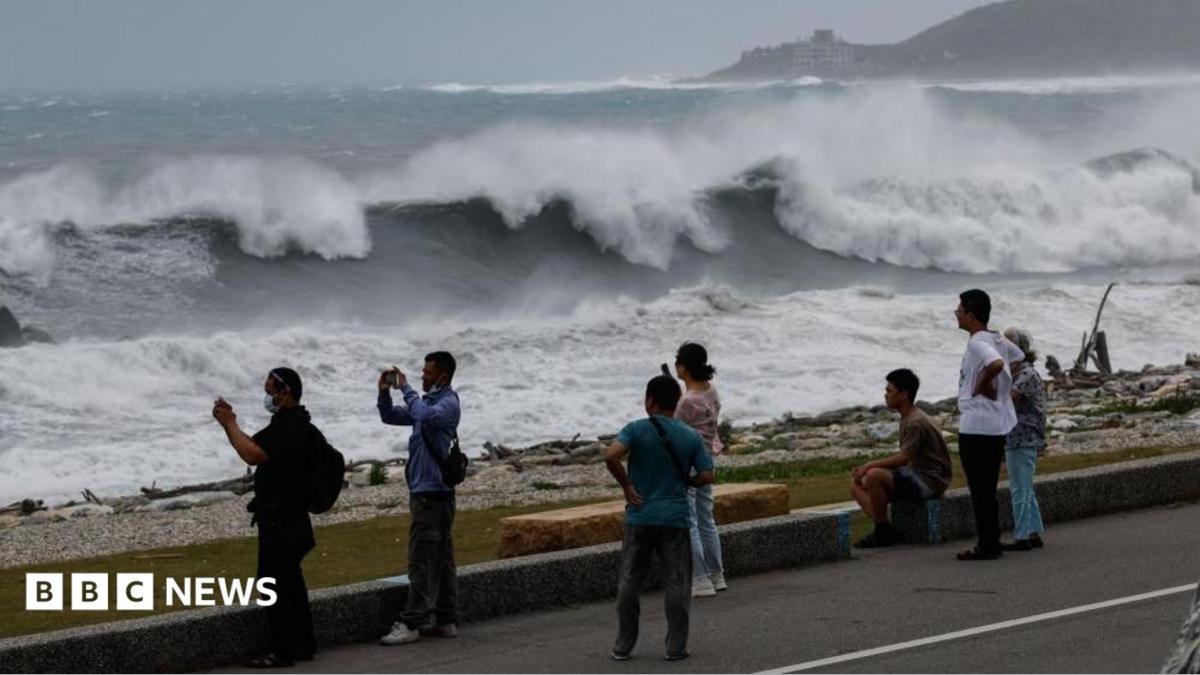
The approach of Typhoon Bavi across the Pacific underscores the growing interdependence of East Asian nations in confronting extreme weather events that transcend national boundaries. With a span of 1,000km at its widest point, the storm illustrates how climate-driven disruptions now demand coordinated responses from Taiwan, China, Japan, and the Philippines, reflecting broader regional efforts to build resilience amid shifting weather patterns.
These developments align with Asia-Pacific priorities for enhancing disaster preparedness, as nations balance domestic infrastructure needs with cross-border cooperation. The storm's projected path through multiple jurisdictions highlights strategic interests in safeguarding economic corridors and agricultural output that underpin regional stability.
Trajectory and Projected Scale of Typhoon Bavi
Typhoon Bavi is sweeping across the Pacific toward Taiwan, with expectations that it will deliver heavy rainfall to the island's north and east as well as to a chain of remote Japanese islands before landfall in south-eastern China on Saturday. Taiwanese authorities have indicated the potential for up to 1m of rainfall in affected areas.
Bavi is set to be the largest storm by size to reach Taiwan since 1987, according to the Central Weather Administration. Dozens of flights have already been cancelled, schools have suspended classes, and supermarket shelves have been cleared as residents prepare supplies. In flood-prone zones, thousands of sandbags have been distributed to residents and shop-owners.
Landslide Fatalities and Immediate Effects in the Philippines
Landslides triggered by the storm have killed at least 15 people on the Philippine island of Mindanao, where families were buried overnight and rescuers continue searching for those missing. These events demonstrate the acute risks faced by southern Philippine communities when powerful Pacific systems interact with local terrain.
Farmers across the region have rushed to harvest or protect crops while conditions permitted, and fishermen have secured vessels. The scale of Bavi has prompted heightened vigilance even in areas not yet directly impacted, illustrating the storm's wide-reaching preparatory demands.
Taiwan's Institutional Preparations and Military Standby
Taiwan's defence ministry has placed 29,000 soldiers on standby for relief operations. This mobilisation reflects established protocols for managing large-scale weather threats, with authorities emphasising that calm conditions preceding the storm should not lead to complacency.
Local voices, including 60-year-old fisherman Chen Ming-hui, have stressed the deceptive nature of current weather, warning that a system of this magnitude could prove highly destructive. Such statements reinforce the importance of sustained public awareness campaigns by Taiwanese institutions.
China's Warnings and Cross-Strait Considerations
China has warned of significant impact from the typhoon, which is expected to strike south-eastern Fujian province before potentially moving northward. Ma Jun, director of China's Institute of Public and Environmental Affairs, noted that Bavi's size and energy could allow remnants and outer rainbands to affect Jiangsu and Anhui provinces and extend toward the Bohai Sea region.
Northern provinces, which have less experience with typhoons than southern areas, have been advised to strengthen preparations. Some forecasts suggest the possibility of landfall occurring twice within China, adding complexity to response planning.
Historical Context with Maysak and Regional Disruptions
Parts of southern China remain affected by Typhoon Maysak earlier in the week, which left at least 39 people dead and prompted the evacuation of more than 130,000 individuals, primarily in Guangxi. Maysak caused extensive livestock losses, major agricultural damage, and two rare tornadoes in Hubei province.
In Japan, residents of the Sakishima Islands are on high alert. Japan Airlines has cancelled more than 100 flights for Friday and Saturday, affecting nearly 20,000 passengers, while All Nippon Airways has grounded more than 160 flights through Sunday, impacting around 20,000 travellers. Thai Airways and Malaysia Airlines have also suspended services to and from Taipei.
Strategic Implications for Regional Disaster Preparedness and Adaptation
The concurrent challenges posed by Bavi and the recent effects of Maysak point to the need for sustained investment in infrastructure resilience across East Asia. Northern Chinese provinces in particular face calls to enhance readiness, given their comparative lack of historical exposure to such systems.
Regional disaster frameworks must account for the storm's capacity to affect multiple economies simultaneously, from agricultural sectors to aviation networks. These events reinforce the value of early warning systems, cross-border information sharing, and adaptive policies that address both immediate relief and longer-term climate considerations in the Asia-Pacific.
By Prof. Marcus Chen, Staff WriterThis article was produced with AI-assisted research and editorial support. Reporting is based on sources cited in the article.
What's Your Reaction?
 Like
0
Like
0
 Dislike
0
Dislike
0
 Love
0
Love
0
 Funny
0
Funny
0
 Wow
0
Wow
0
 Sad
0
Sad
0
 Angry
0
Angry
0

World Politics Analyst at Global1.News. Based in Beijing, covering US-China relations, global trade, and geopolitical strategy. Brings deep analytical perspective to the power dynamics shaping international affairs.














Comments (0)