
Israeli Nurses Union Declares Labor Dispute Over Burnout, Staffing Shortages
The Declaration of a Nationwide Labor Dispute The Israeli Nurses Union announced a comprehensive labor dispute this week covering roughly 60,000 nurses employed in hospitals, community clinics, family health centers known as Tipat Halav, institutes and nursing schools. The move follows repeated warnings that workloads have reached unsustainable levels and that state authorities and employers have failed to address core demands for additional staffing and resources. Under Israeli labor law the de

The Declaration of a Nationwide Labor Dispute
The Israeli Nurses Union announced a comprehensive labor dispute this week covering roughly 60,000 nurses employed in hospitals, community clinics, family health centers known as Tipat Halav, institutes and nursing schools. The move follows repeated warnings that workloads have reached unsustainable levels and that state authorities and employers have failed to address core demands for additional staffing and resources.
Under Israeli labor law the declaration opens a formal process that can lead to work sanctions or a strike after a cooling-off period. Union officials say the step was taken only after months of unheeded appeals about daily conditions in wards across the country.
Core Grievances Over Staffing and Infrastructure
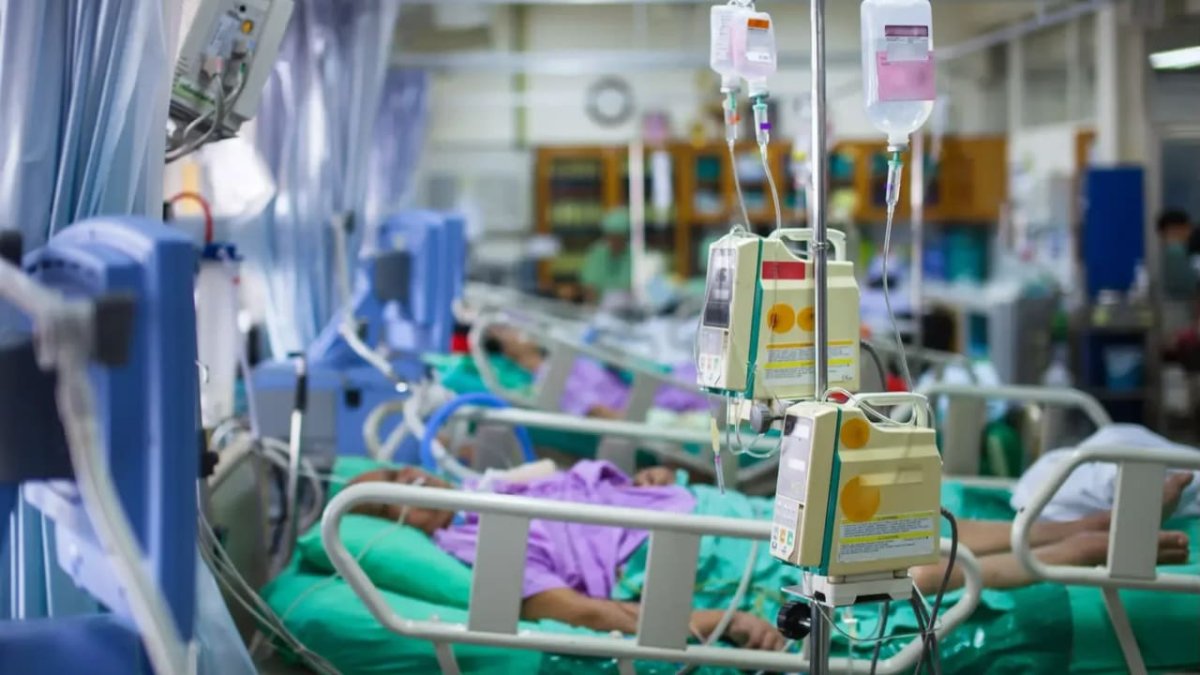
Nurses report chronically low caregiver-to-patient ratios that leave insufficient time for basic care. The union points to a persistent shortage of hospital beds, outdated infrastructure and restrictions on hiring new personnel that have prevented any meaningful relief. In operating rooms, management has begun replacing the traditional scrub-nurse role with technical workers who lack full nursing qualifications, a change the union says compromises patient safety.
Additional concerns include planned unilateral privatization of student health services, which the union fears will further fragment care and reduce oversight by trained professionals. These issues compound existing problems of physical strain and mental burnout that have intensified without corresponding increases in support staff or equipment.
Wartime Strain on an Already Stretched System
Israel’s healthcare facilities continue to treat thousands of patients with physical injuries and trauma-related mental health needs stemming from the ongoing security situation. The added volume has placed particular pressure on nurses in emergency departments, surgical units and rehabilitation wards in major centers such as Tel Aviv, Jerusalem and hospitals serving southern and northern communities.
Frontline staff describe extended shifts and rapid redeployments that leave little margin for recovery. The union argues that the security environment has exposed long-standing gaps in personnel planning that predate the current conflict yet have grown more acute under sustained demand.
Union Leadership Position and Next Steps
Shaul Skif, chairman of the Israeli Nurses Union, stated that the state continues to ignore the distress and burnout experienced by those providing direct care. He emphasized that the dispute encompasses every sector of nursing practice and that the union will not accept partial solutions that leave core shortages unaddressed.
Possible next steps include formal requests for renewed negotiations with the Finance Ministry and Health Ministry, followed by a strike-authorization vote among members if talks stall. Union representatives have signaled willingness to discuss targeted recruitment incentives and infrastructure upgrades but insist these must be accompanied by binding commitments rather than temporary measures.
Implications for Patient Care and National Resilience
Any escalation in sanctions would affect routine procedures, vaccination programs at Tipat Halav centers and training at nursing schools, potentially lengthening wait times for elective care and community services. In wartime, even limited disruptions carry heightened risks for trauma response capacity in facilities already operating near maximum occupancy.
Health-system analysts note that sustained nurse shortages could accelerate emigration of skilled personnel and deter new entrants to the profession, weakening Israel’s ability to maintain high standards of care amid regional security challenges. The dispute therefore intersects directly with broader questions of workforce planning and public investment in essential services.
Path Forward Through Dialogue
Both the union and government ministries have historically resolved similar disputes through mediated talks that produced incremental staffing increases and wage adjustments. Observers in Jerusalem expect renewed contacts in the coming days, though the union has made clear that previous patterns of limited concessions will no longer suffice given the scale of current pressures.
The coming weeks will test whether the parties can translate the formal labor-dispute framework into concrete agreements that restore adequate nurse-to-patient ratios and protect the integrity of clinical roles across Israel’s hospitals and community clinics.
By Hannah Berg, Staff WriterWhat's Your Reaction?
 Like
0
Like
0
 Dislike
0
Dislike
0
 Love
0
Love
0
 Funny
0
Funny
0
 Wow
0
Wow
0
 Sad
0
Sad
0
 Angry
0
Angry
0










Comments (0)