
Retail Sales Tumble 1 Percent in March as Recession Fears and Slim Refunds Hit Hard
The Headline Drop in Retail Spending The Commerce Department reported Friday that retail sales fell a full 1 percent in March from February. That beat the 0.4 percent decline economists at Refinitiv had forecast and topped the revised 0.2 percent drop the month before. Seasonally adjusted figures showed consumers dialing back across the board. This pullback comes right after th
The Headline Drop in Retail Spending
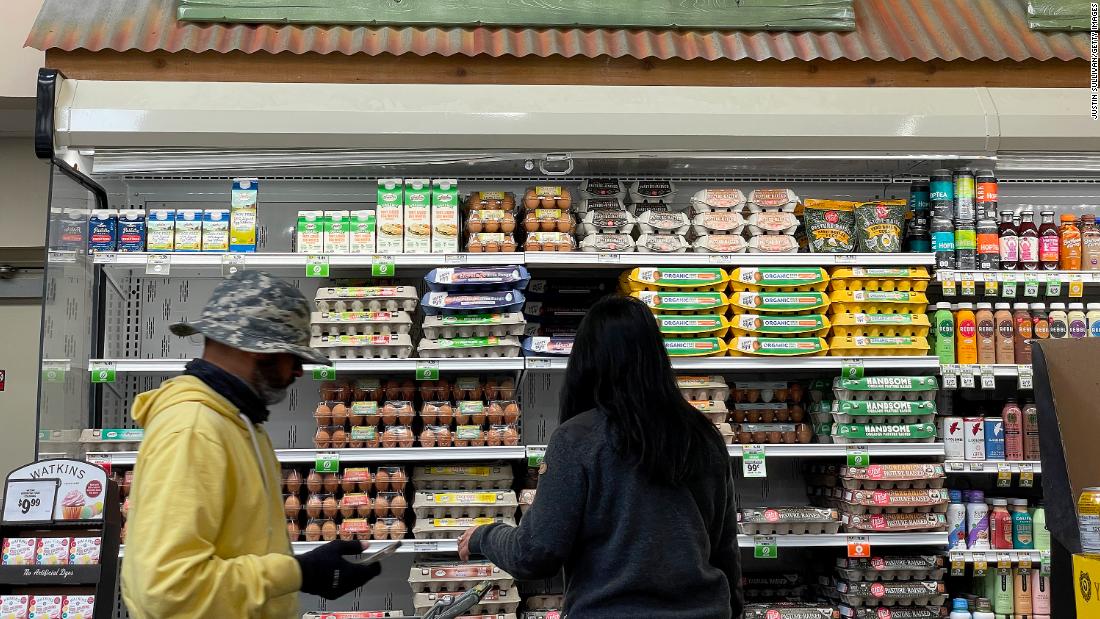
The Commerce Department reported Friday that retail sales fell a full 1 percent in March from February. That beat the 0.4 percent decline economists at Refinitiv had forecast and topped the revised 0.2 percent drop the month before. Seasonally adjusted figures showed consumers dialing back across the board. This pullback comes right after the banking turmoil rattled nerves from Atlanta to Wall Street.
Investors immediately pointed to two culprits. Smaller tax refunds and fresh worries about a cooling labor market took center stage. The data landed like a warning shot that the post-pandemic spending spree may finally be cooling. Southern shoppers know the feeling when the wallet gets lighter faster than expected.
Analysts at BofA Global Research tied the weakness directly to the IRS payout shortfall. Without that usual spring boost, households pulled back on big-ticket items. The result was a clear signal that confidence is fraying even before any official recession call.
Readers should watch how stores adjust inventory and promotions in the weeks ahead. A sustained dip could force retailers to cut prices or hours. That ripple reaches every corner of the economy, from warehouse workers to delivery drivers.
The Tax Refund Squeeze Explained
The IRS issued just 84 billion dollars in tax refunds this March. That figure sits 25 billion dollars below the 109 billion dollars handed out in March 2022. BofA analysts flagged the shortfall as a key reason spending stalled. Many families had counted on last year’s larger checks to cover spring purchases.
Aditya Bhave, senior U.S. economist at BofA Global Research, told CNN that March refunds matter a lot. Some folks expected the same windfall as last year and planned accordingly. When the checks shrank, the spending plans shrank with them. Credit and debit card data tracked by the bank showed the slowest pace in more than two years.
Expired enhanced food assistance benefits added another layer of pressure. Households that had leaned on those extra dollars suddenly faced tighter budgets. The combination left less room for discretionary buys at the mall or online.
Families across the South will feel this most in the coming months. Budgets that once stretched to cover appliances or new furniture now require harder choices. Watch for updated state assistance programs that might soften the blow.
Hits to Key Retail Categories
Spending at general merchandise stores plunged 3 percent in March from the prior month. Gas station sales dropped even more sharply, falling 5.5 percent over the same period. Those two categories alone dragged the headline number lower. Excluding gas stations, overall retail spending still retreated 0.6 percent.
Department stores and durable goods sellers took the brunt. Appliances and furniture saw clear pullbacks as households delayed big decisions. The banking scare made people think twice before signing on the dotted line for new credit.
These declines line up with broader caution after the Silicon Valley Bank collapse. Consumers appear to be building cash buffers rather than spending freely. That shift shows up in every region, but especially in areas where wages have not kept pace with prices.
Shoppers should expect more sales events as stores clear shelves. Deals on furniture and appliances could appear sooner than usual this spring. Keep an eye on earnings calls from major chains for clues on how deep the slowdown runs.
The Broader Yearly Picture
Despite the monthly drop, retail spending still rose 2.9 percent year-over-year. That gain shows the economy has not fallen off a cliff just yet. Growth from a year ago remains positive even after inflation adjustments are considered. The contrast highlights how much momentum carried over from 2022.
Year-over-year strength masks the sudden March reversal. Economists note that last year’s base was already elevated by stimulus effects. Comparing against that high bar makes the current slowdown look more pronounced. Still, the positive annual number buys the Federal Reserve a bit more time.
Regional differences matter here. Atlanta metro stores may have seen steadier foot traffic than national averages suggest. Local job growth in logistics and film production has kept some wallets open. National headlines do not always capture those pockets of resilience.
Consumers planning summer travel or home projects should compare prices across multiple retailers now. The yearly gain means some stores still have healthy balance sheets. That could translate into better financing offers before any deeper slowdown hits.
Jobs Added Despite Slowing
Employers added 236,000 jobs in March, a solid figure by historical standards. That pace still fell below the average monthly gain recorded in the prior six months. The Bureau of Labor Statistics data showed hiring continued but at a more measured clip. A cooling labor market is exactly what the Fed has been trying to engineer.
The latest JOLTS report revealed job openings remained elevated in February. Openings sat more than 17 percent below the 12 million peak reached in March 2022. Fewer available positions signal that companies are becoming more selective. Workers may find it takes longer to land the next role.
Atlanta’s logistics and corporate hubs have not yet seen widespread layoffs. That local buffer helps explain why some households still feel secure enough to spend on essentials. National data can hide these differences until the slowdown deepens.
Job seekers should update résumés and network now rather than waiting. A slower hiring pace means competition for each opening will rise. Watch monthly employment reports for any acceleration in claims or reductions in openings.
Wages Not Keeping Pace
Average hourly earnings grew 4.2 percent in March from a year earlier. That marked a slowdown from the prior month’s 4.6 percent annualized increase. The Bureau of Labor Statistics called it the smallest annual rise since June 2021. Real wage gains continue to lag behind inflation for many workers.
Slower wage growth pairs with the smaller tax refunds to tighten household budgets. Families that once relied on steady raises now face tougher math at the grocery store and gas pump. The combination helps explain why retail spending retreated even as the labor market added jobs.
Historical comparisons show wage growth at these levels often precedes softer consumer spending. The last time annual gains dipped this low, retailers quickly adjusted forecasts downward. That pattern appears to be repeating in the current data.
Workers negotiating new contracts should factor in the slower wage trend. Employers may cite cooling demand when discussing raises. Track upcoming BLS releases for any further deceleration that could pressure spending power.
Sentiment and Inflation Worries
University of Michigan consumer sentiment worsened slightly in March amid the bank failures. The reading held steady in April even as higher gas prices pushed year-ahead inflation expectations from 3.6 percent to 4.6 percent. That full percentage point jump shows prices at the pump still shape expectations. Joanne Hsu, director of the surveys, told Bloomberg TV that consumers are expecting a downturn.
Hsu noted people are not feeling as dismal as last summer. They are simply waiting for the other shoe to drop. That cautious stance matches the pullback seen in March retail numbers. Sentiment data often leads actual spending changes by a month or two.
Atlanta households have voiced similar concerns in local surveys. Rising insurance and utility costs compound the national inflation worry. The gap between expected and realized price increases can widen quickly when gas climbs.
Shoppers tracking budgets should lock in fixed-rate purchases where possible. Higher inflation expectations could push interest rates on new credit higher. Monitor University of Michigan releases each month for shifts in the outlook.
What This Means for the Road Ahead
Federal Reserve economists already forecast a recession later this year as higher rates bite deeper. The March retail drop adds fresh evidence that the lagged effects are arriving. Smaller refunds and slower wage growth leave less cushion when the downturn lands. Policymakers will watch these figures closely before the next rate decision.
Businesses should prepare contingency plans for softer demand through the summer. Inventory reductions and selective hiring freezes may become more common. Consumers, meanwhile, can expect more aggressive promotions as stores compete for fewer dollars.
The combination of solid job gains and cooling spending creates a mixed picture. That tension often marks the early stages of a slowdown rather than a sudden crash. Southern states with strong tourism or logistics sectors may weather the shift better than others.
Keep an eye on upcoming Commerce Department and BLS releases for confirmation. Any acceleration in the monthly declines would signal the need for tighter household budgeting. The data so far points to caution, not panic, but the direction is clear.
By Jessica Ali, Staff WriterThis article was produced with AI-assisted research and editorial support. Reporting is based on sources cited in the article.
What's Your Reaction?
 Like
0
Like
0
 Dislike
0
Dislike
0
 Love
0
Love
0
 Funny
0
Funny
0
 Wow
0
Wow
0
 Sad
0
Sad
0
 Angry
0
Angry
0

Editor-in-Chief at Global1.News. Atlanta-based journalist who cuts through the BS and tells it like it is. Lead anchor, host, and the voice you hear when the spin stops and the truth starts.














Comments (0)