
Ukraine's Drone Campaign Against Russian Tankers in the Sea of Azov
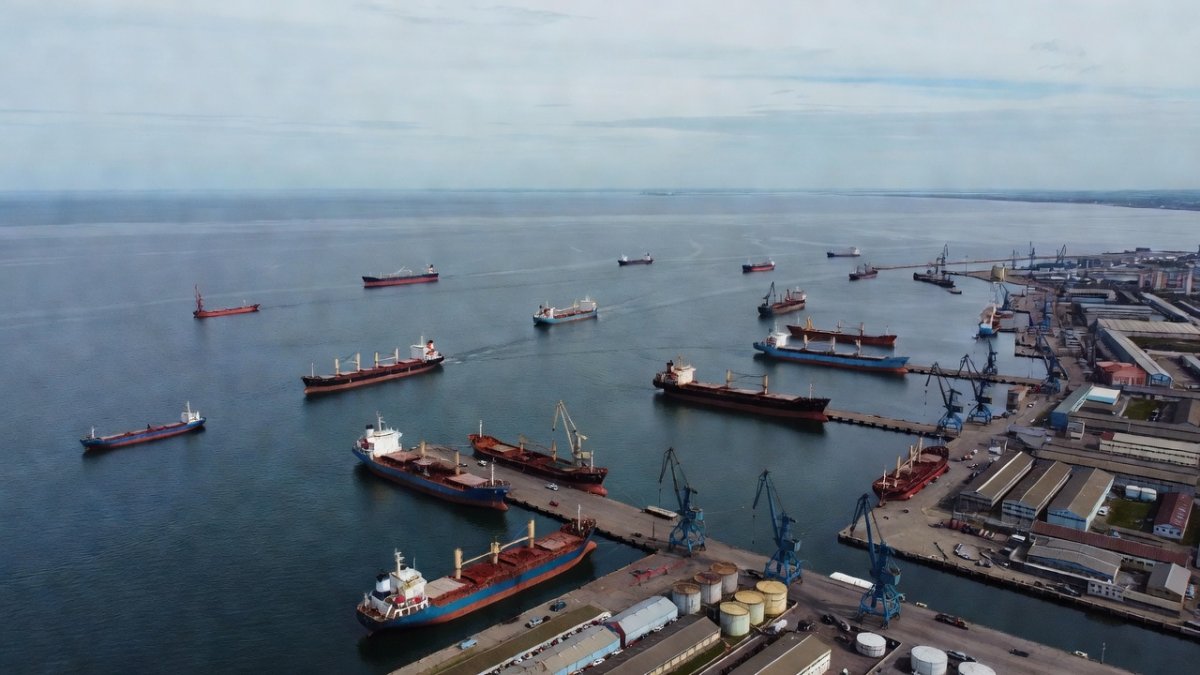
Ukrainian Drone Strike Hits Tanker in Sea of Azov On Sunday a Ukrainian drone struck a tanker as it entered the Azov-Black Sea Canal. Rostov region governor Yury Slyusar confirmed the incident on Telegram and stated that the vessel was empty at the time of the attack. No casualties occurred and no fuel spill resulted from the strike. The targeted ship formed part of the ongoing
Ukrainian Drone Strike Hits Tanker in Sea of Azov
On Sunday a Ukrainian drone struck a tanker as it entered the Azov-Black Sea Canal. Rostov region governor Yury Slyusar confirmed the incident on Telegram and stated that the vessel was empty at the time of the attack. No casualties occurred and no fuel spill resulted from the strike. The targeted ship formed part of the ongoing effort to sever maritime links supplying Russian forces in occupied Crimea.
The Azov-Black Sea Canal serves as a critical waterway connecting the Sea of Azov to broader Black Sea routes. Ukrainian forces have identified this corridor as a vulnerable point in Russian logistics. The empty condition of the tanker limited immediate environmental damage yet still demonstrated the reach of drone operations into restricted waters. Local authorities in the Rostov region responded by increasing surveillance along the canal approaches.
Confirmation from Yury Slyusar highlighted the precision of the strike while underscoring the absence of secondary effects. Russian officials described the vessel as part of routine commercial traffic yet provided no further details on ownership or destination. The incident occurred amid heightened Ukrainian activity targeting fuel transport in the region. This single strike set the tone for intensified operations reported in subsequent days.
Escalating Campaign Against Russia's Shadow Fleet
Ukraine's drone forces commander Robert Brovdi stated that his units hit 10 tankers and 4 ferries overnight on Sunday in addition to striking an oil refinery in Syzran. He further reported that 90 Russian vessels had been hit in the past 7 days. These figures reflect a deliberate focus on the shadow fleet of aging tankers that continue to move fuel to Crimea despite international sanctions.
Ukrainian military operations have now attacked more than 40 Russian tankers in the Sea of Azov. The objective remains the disruption of fuel supplies to Russian forces and the isolation of occupied Crimea from reliable resupply. Each strike targets vessels that evade sanctions through opaque ownership structures and circuitous routing. The cumulative effect has forced Russian operators to reassess the viability of Azov Sea passages.
Robert Brovdi's public statements emphasize both the volume and the intent behind the campaign. The 90 vessels struck in seven days include a mix of tankers, ferries and support craft. Ukrainian planners view the shadow fleet as a direct enabler of prolonged occupation and therefore a legitimate priority target. Continued pressure on these ships aims to raise insurance costs and deter further voyages.
The scale of recent activity marks a shift from sporadic interdiction to systematic attrition. Ukrainian drone units coordinate strikes across multiple points along the Azov coastline and canal entrances. This sustained tempo has already reduced the number of operational tankers available for Crimean runs. Russian shipping companies face mounting difficulties in replacing losses or securing crews willing to transit contested waters.
Crimea Fuel Crisis Deepens
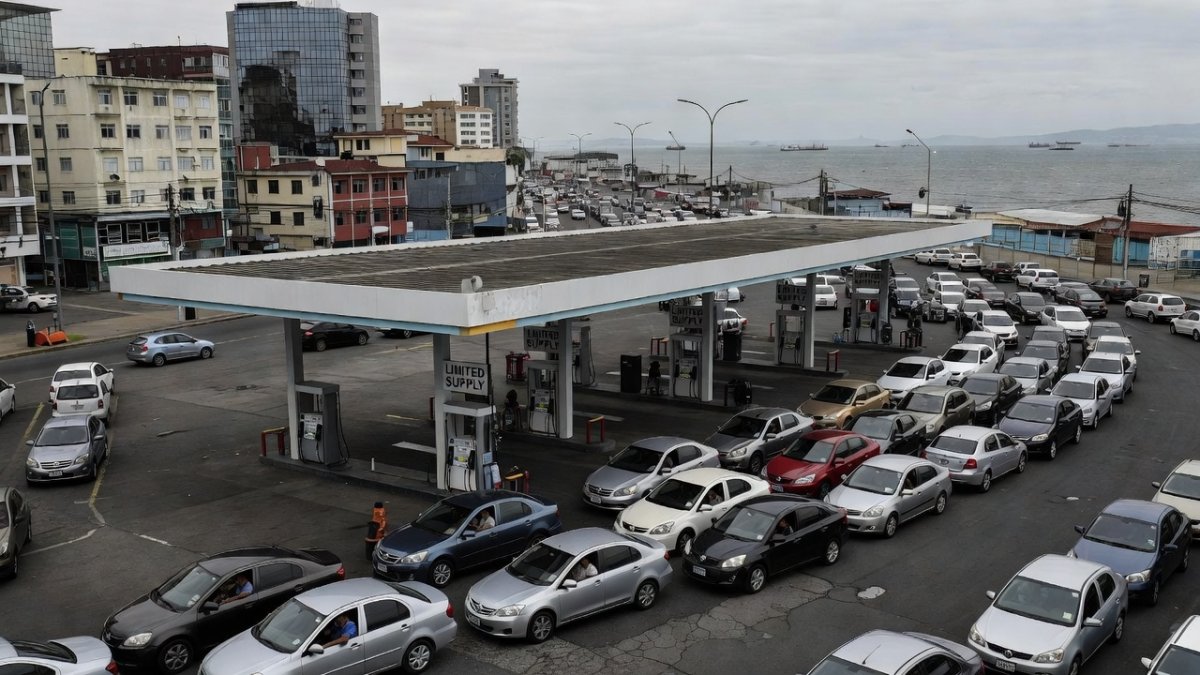
Crimea authorities declared a state of emergency due to fuel shortages caused by the attacks. The measure followed weeks of mounting shortfalls at civilian filling stations across the peninsula. Priority allocation now directs remaining supplies to Russian military units while ordinary residents encounter long queues and restricted purchases.
Putin called for Crimea fuel subsidies after acknowledging that Sevastopol receives only a third of its daily fuel needs. The 33 percent figure illustrates the severity of the supply gap created by Ukrainian interdiction. Subsidies represent an attempt to stabilize prices and maintain minimal civilian access amid the emergency declaration.
Fuel rationing at Crimean stations has become widespread. Military convoys receive first access while civilian vehicles are limited to small daily allowances. Local officials have warned that the situation could deteriorate further if additional tankers are lost. The state of emergency grants regional authorities expanded powers to requisition stocks and control distribution.
The combination of the emergency declaration and presidential subsidy request signals high-level concern in Moscow. Sevastopol's reduced allocation directly affects naval operations based in the city. Ukrainian strikes have therefore achieved measurable impact on both military readiness and civilian morale in occupied territory.
Shipping Suspended as Ukraine Tightens Naval Pressure
The Guardian reported that Ukrainian drone strikes forced Russia to suspend shipping in the Sea of Azov. The suspension followed repeated attacks on the shadow fleet and the resulting inability to guarantee safe passage. Russian operators halted movements through key routes while assessing new protective measures.
The decision to pause shipping reflects the cumulative pressure of more than 40 tanker strikes. Ukrainian forces have demonstrated consistent ability to locate and engage vessels even in narrow waterways such as the Azov-Black Sea Canal. This capability has raised the operational risk for any ship attempting to reach Crimean ports.
Russian authorities have not publicly detailed the duration of the suspension. Internal directives reportedly instruct vessels to remain in port until additional escorts or rerouting options become available. The pause has further exacerbated fuel shortages already affecting Sevastopol and other Crimean cities.
Broader Energy War: Refineries and Infrastructure
Ukraine also struck an oil refinery in Syzran and has stepped up attacks on Russian energy infrastructure. The Syzran facility in the Samara region processes crude for domestic distribution including supplies destined for southern Russia and Crimea. Damage to processing capacity compounds the effects of tanker losses at sea.
Multiple electricity substations in Crimea were struck during the same period of intensified operations. These attacks aim to degrade the peninsula's ability to function independently of mainland Russian support. Combined with fuel shortages the power disruptions create additional strain on civilian and military logistics alike.
The four ferries hit alongside the tankers represent another layer of transport targeted by Ukrainian units. Ferries traditionally carry vehicles and supplies across the Kerch Strait and Azov routes. Their loss reduces redundancy in an already constrained supply network.
Ukraine's strategy of hitting both maritime assets and inland refineries seeks to reduce Moscow's oil export revenue over time. Each successful strike on energy infrastructure raises domestic costs and limits the surplus available for foreign sales. The campaign therefore operates on both immediate logistical and longer-term economic fronts.
Analysis and Implications for the Kremlin
The pattern of Ukrainian strikes suggests a calculated effort to exploit Russia's dependence on vulnerable maritime routes for Crimean resupply. By concentrating on the shadow fleet and canal access points Ukrainian forces have created bottlenecks that subsidies alone cannot immediately resolve. The state of emergency in Crimea indicates that local authorities view the shortages as more than temporary.
Kremlin responses including the call for fuel subsidies reveal an awareness that military priority allocation cannot fully mask civilian hardship. Sevastopol's 33 percent fuel receipt level directly constrains naval activity and ground force mobility. Prolonged suspension of Azov shipping risks accelerating these constraints into broader operational limitations.
Robert Brovdi's reported figures of 90 vessels and more than 40 tankers hit provide a measurable indicator of Ukrainian effectiveness. Russian officials have yet to present a coherent countermeasure beyond temporary halts in movement. This reactive posture leaves open the possibility of further degradation of Crimean supply lines in coming weeks.
The intersection of maritime interdiction refinery strikes and power substation attacks forms a multi-domain pressure campaign. For Moscow the challenge lies in restoring confidence among shadow fleet operators while simultaneously addressing downstream fuel deficits. Failure to do so could compound existing strains on the occupation administration in Crimea.
By Irina Volkov, Staff Writer
This article was produced with AI-assisted research and editorial support. Reporting is based on sources cited in the article.
What's Your Reaction?
 Like
0
Like
0
 Dislike
0
Dislike
0
 Love
0
Love
0
 Funny
0
Funny
0
 Wow
0
Wow
0
 Sad
0
Sad
0
 Angry
0
Angry
0

Russia/Eastern Europe Correspondent at Global1.News. Covering Russian politics, energy, security, and the shifting dynamics of the post-Soviet space. Provides clear-eyed analysis on one of the world's most opaque regions.











Comments (0)