
Iraq's Anti-Corruption Crackdown: Navigating Muhasasa and Regional Alliances
Iraq Anti-Corruption Crackdown: Muhasasa and Regional Ties Iraq's latest anti-corruption raids target senior officials and expose Muhasasa patronage networks, with implications for Iran influence, Gulf economic ties, US support, and long-term stability in the Middle East. **Keywords:** Iraq corruption crackdown, Muhasasa system, Ali al-Zaidi, Iran Iraq relations, Gulf states Ir
The Scale of Recent Raids and Initial Seizures
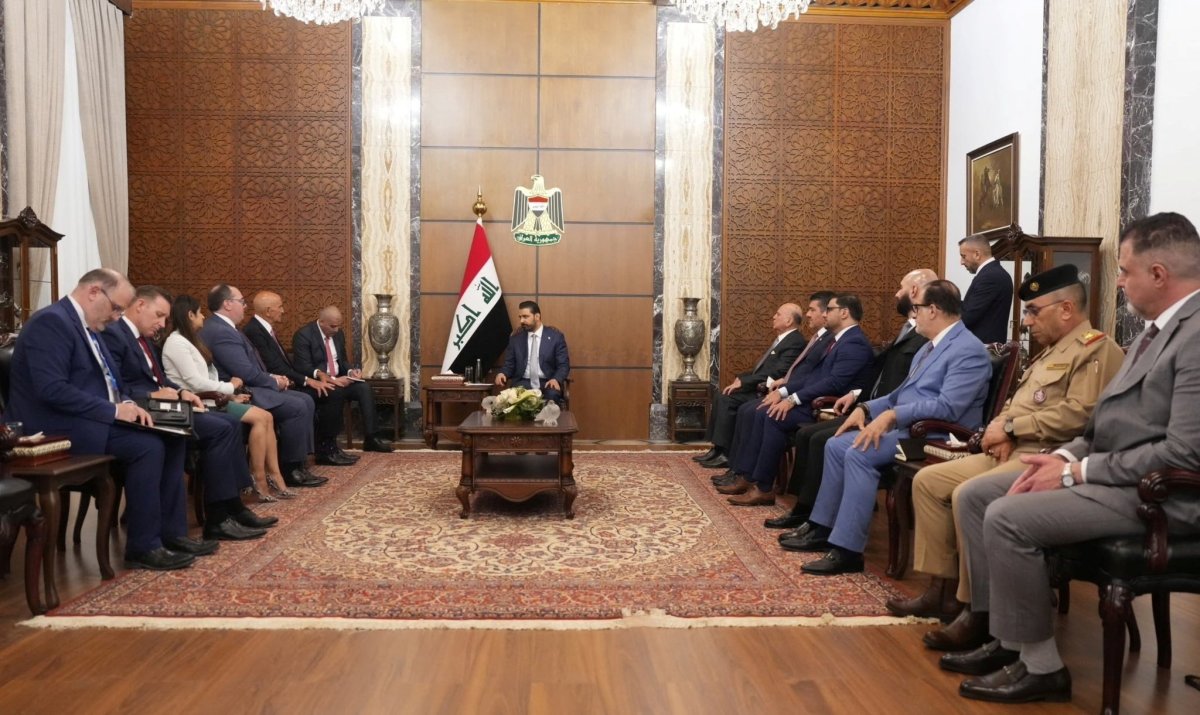
Iraqi investigators conducted raids on the homes of several senior officials shortly after the new government assumed office. These operations uncovered millions of dollars in cash, dozens of properties, luxury vehicles, and significant quantities of gold. The investigation expanded to implicate current and former officials, lawmakers, and politically connected figures. Authorities reported seizures totaling approximately $86 million in cash, 70 properties, 21 vehicles, and 3 kilograms of gold. The arrest of former Deputy Oil Minister Adnan al-Jumaili reportedly provided key testimony that broadened the probe.
These actions represent one of the largest operations in recent years. Many Iraqis note that the targets include individuals previously considered untouchable, some of whom had publicly positioned themselves as reformers. High-profile arrests alone, however, do not guarantee systemic change. Lasting impact requires successful prosecutions and the actual recovery of public funds.
The Muhasasa System and Its Role in Entrenching Patronage
The Muhasasa quota system emerged after the 2003 U.S.-led invasion as an informal power-sharing arrangement. It allocated government positions among Iraq's sectarian and ethnic groups to ensure representation. Over time, this framework allowed political parties to dominate ministries and agencies, creating extensive patronage networks that control public resources and hiring decisions.
World Bank data illustrate the consequences. Public sector employment rose from roughly 900,000 in 2003 to more than 3 million by 2015. The government's wage bill came to exceed 44 percent of public spending. Audits revealed thousands of ghost employees, with positions often awarded based on political loyalty rather than merit. This structure has made corruption a structural feature rather than an isolated problem.
Political Economy of Corruption and Repeated Reform Failures
Successive governments have announced anti-corruption initiatives without dismantling the underlying networks. Former Prime Minister Haider al-Abadi introduced reforms in 2015 amid protests. Mustafa al-Kadhimi and Mohammed Shia al-Sudani later pursued similar efforts. None produced durable results. The 2022 theft of approximately 2.5 trillion Iraqi dinars, equivalent to $1.7 billion, from tax authority accounts further eroded public trust.
Iraq ranked 136th out of 182 countries in Transparency International's 2025 Corruption Perceptions Index. This position reflects persistent challenges despite incremental improvements in some areas. The political economy remains dominated by parties that benefit from control over state institutions, making genuine accountability difficult without broader institutional reforms.
Strategic Calculus for Prime Minister Ali al-Zaidi
Prime Minister Ali al-Zaidi launched the current operation within weeks of taking office. The campaign targets dozens of influential figures, some with armed or political backing. Success depends on securing convictions and recovering stolen assets rather than stopping at arrests. Investigators must navigate resistance from entrenched interests that have operated with impunity for years.
Domestic public support exists, yet it may prove insufficient against powerful networks. Continued pressure from international partners will likely be necessary to sustain momentum. The operation tests whether Iraq can move beyond cyclical announcements toward measurable reductions in graft.
Implications for Relations with Iran and Its Regional Networks
Iraq's corruption networks intersect with Iranian influence through political factions and proxy groups. Some figures under investigation maintain ties to Iran-backed elements. Effective prosecutions could disrupt financial channels that sustain these connections. Iran seeks to preserve leverage in Baghdad through economic and security arrangements.
A credible crackdown might encourage Iraqi leaders to diversify partnerships. However, any perceived weakening of Iranian-aligned actors risks retaliation or instability. The strategic calculus for Tehran involves balancing support for allies against the costs of overt interference in Iraq's internal affairs.
Opportunities and Risks with Gulf States and the United States
Gulf states, particularly Saudi Arabia and the UAE, view reduced corruption in Iraq as a prerequisite for deeper economic engagement. These countries pursue diversification strategies under frameworks such as Vision 2030 and seek stable investment environments. Cleaner governance could facilitate greater trade, energy cooperation, and reconstruction financing.
The United States retains influence through security assistance and diplomatic channels. Washington has historically supported anti-corruption measures as part of broader efforts to strengthen Iraqi institutions. Sustained U.S. backing could provide technical expertise and political cover for difficult prosecutions. Second-order effects include potential shifts in Iraq's alignment within Sunni-Shia competition and greater integration into regional economic initiatives.
Prospects for Stability and Lasting Regional Impact
Whether the current campaign marks a turning point hinges on follow-through. Convictions, asset recovery, and transparency reforms would strengthen state capacity and public confidence. Failure to deliver these outcomes risks reinforcing skepticism and allowing patronage networks to reassert control.
Broader stability in Iraq affects energy markets, refugee flows, and the balance of power involving Iran, Turkey, and Arab states. Successful reform could support Iraq's role as a more independent actor in OPEC+ discussions and Arab League affairs. The coming months will reveal whether political institutions can withstand the pressure of confronting deeply embedded interests.
By Malik Hassan, Staff WriterThis article was produced with AI-assisted research and editorial support. Reporting is based on sources cited in the article.
What's Your Reaction?
 Like
0
Like
0
 Dislike
0
Dislike
0
 Love
0
Love
0
 Funny
0
Funny
0
 Wow
0
Wow
0
 Sad
0
Sad
0
 Angry
0
Angry
0

Middle East Correspondent at Global1.News. Based in Beirut, covering politics, conflict, energy, and society across the Middle East. Brings context and depth to a region often reduced to headlines.









Comments (0)