
Gulf of Paria widens as Trinidad pours oil on troubled Venezuelan waters
The Venezuelan Demand for Answers Venezuela's Foreign Minister Yván Gil formally demanded compensation and information from Trinidad and Tobago on Friday, over a May 1 oil spill that Caracas says originated in Trinidadian waters. The claim highlights how the incident threatens 1,625 square kilometres across 12 strategic wetland systems in Sucre and Delta Amacuro states, placing
The Venezuelan Demand for Answers
Venezuela's Foreign Minister Yván Gil formally demanded compensation and information from Trinidad and Tobago on Friday, over a May 1 oil spill that Caracas says originated in Trinidadian waters. The claim highlights how the incident threatens 1,625 square kilometres across 12 strategic wetland systems in Sucre and Delta Amacuro states, placing more than 500 fishermen at risk. These wetlands form vital lifelines for coastal communities already grappling with economic pressures and the daily realities of making ends meet in a region where livelihoods depend on the sea.
Officials in Caracas have framed the spill as a cross-border environmental concern that demands urgent attention from Port of Spain. The focus on these specific wetland areas underscores the interconnected nature of the Gulf of Paria, where pollution does not respect national boundaries. For families in those Venezuelan states, the threat extends beyond immediate fishing grounds to longer-term food security and the stability of local economies that have long relied on healthy marine ecosystems.
The formal request for details and redress reflects a broader pattern of vigilance among Caribbean nations when shared waters face contamination. Venezuela has emphasised the scale of the affected zones, drawing attention to how even contained incidents can ripple outward and touch communities far from the original source. This development arrives at a time when both countries navigate the delicate balance between energy development and the protection of natural resources that sustain ordinary people.
Trinidad and Tobago's Firm Rebuttal
Port of Spain has pushed back strongly, describing the event as a minor 10-barrel spill that was quickly contained. Officials maintain that the response was swift and effective, limiting any lasting damage within Trinidadian waters. This position highlights the challenges of managing offshore operations in an economy where the energy sector remains central to employment and government revenue, supporting families across the nation amid ongoing cost-of-living pressures.
Trinidad and Tobago continues to weigh environmental safeguards against the practical needs of its oil and gas industry, which has historically provided stability in a region prone to economic fluctuations. The rebuttal stresses that rapid containment measures prevented wider dispersal, protecting both local marine life and the fishing communities that depend on the Gulf. Such incidents test the capacity of regulatory systems to respond while maintaining the flow of energy resources that benefit the wider Caribbean through trade and cooperation.
Balancing these concerns requires careful oversight, particularly as the country seeks to sustain its role as a regional energy hub. The government's stance reflects a commitment to transparency on the scale of the spill while acknowledging the importance of preventing any recurrence that could strain relations with neighbours. In communities from the south-west peninsula, residents understand how closely energy production and daily life are intertwined, making measured responses essential for long-term harmony.
Shared Waters, Divided Accounts: The Gulf of Paria
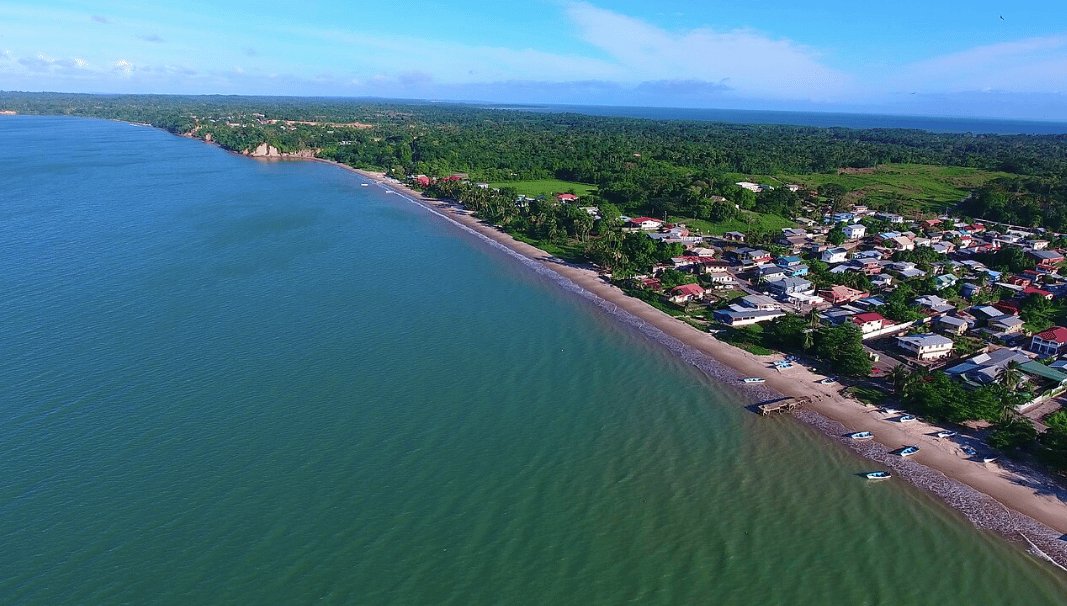
The Gulf of Paria sits between Trinidad and Venezuela, its waters shaped by decades of hydrocarbon activity under a 1990s treaty framework that governs joint exploitation. This agreement has facilitated cooperation on energy projects, including the operations linked to Atlantic LNG, while recognising the shared responsibility for environmental stewardship. Fishing communities on both sides have long navigated these same currents, their boats crossing invisible lines in pursuit of catches that feed families in Cedros, Icacos and beyond.
Trinidad's energy landscape carries the legacy of Petrotrin, whose refineries once anchored local employment and regional supply chains. The treaty arrangements have allowed for coordinated development, yet they also expose the difficulties of assigning responsibility when spills occur. Both nations benefit from the hydrocarbon resources beneath these waters, but the human element remains the fishing families whose daily routines depend on clean seas and predictable weather patterns.
Historical ties through CARICOM and bilateral energy talks have helped maintain dialogue even during periods of tension. The Gulf represents more than a resource zone; it is a shared space where cultural exchanges and family connections span the water. As climate impacts intensify across small island developing states, the need for clear communication on maritime boundaries grows ever more pressing for the security of coastal livelihoods.
A Troubling Pattern: The 2024 Tanker Precedent
The current situation echoes a February 2024 tanker incident that also saw pollution cross into Venezuelan waters. That earlier event raised similar questions about containment and accountability, leaving communities on both sides concerned about recurring risks. Lessons from that episode appear not to have fully translated into stronger preventive measures, allowing the pattern of cross-border concerns to persist.
Since the 2024 incident, limited visible changes in monitoring or joint response protocols have been evident, leaving the same vulnerabilities in place. The repetition underscores how difficult it remains to police shared maritime spaces where commercial traffic and energy infrastructure intersect. For residents along the Gulf, each new report revives memories of disrupted fishing seasons and the uncertainty that follows any spill.
Regional observers note that without enhanced cooperation, such incidents risk becoming more frequent as maritime activity continues. The 2024 precedent serves as a reminder that environmental protection in the Caribbean requires sustained attention rather than reactive statements. Both governments now face the task of demonstrating that past experiences can inform more robust safeguards for the waters that connect their peoples.
What This Means for Fishing Communities
The human cost falls heaviest on the more than 500 fishermen cited in Venezuelan claims, whose access to traditional grounds now faces uncertainty. On the Trinidadian side, families in communities like Cedros and Icacos watch the developments closely, aware that any contamination can reduce catches and drive up household expenses. These coastal villages have long balanced the rhythms of the sea with the pressures of rising living costs, making every disruption to fishing feel immediate and personal.
Food security in both countries depends on healthy marine stocks, yet the cost-of-living crisis amplifies the stakes when spills threaten supply. Venezuelan fishing households in Sucre and Delta Amacuro states rely on these wetlands for daily sustenance and modest income, while Trinidadian counterparts face parallel challenges in maintaining their boats and markets. The interconnected economies of the Gulf mean that difficulties on one shore often echo on the other, affecting diaspora networks that send support across the water.
Local leaders in these communities emphasise the need for swift information sharing so families can plan and adapt. The livelihoods at stake represent generations of knowledge passed down through fishing traditions, now tested by external events beyond their control. As both nations navigate economic recovery, protecting these small-scale operators becomes essential to preserving the social fabric that binds Caribbean coastal life.
Environmental Justice in Caribbean Waters
Small island developing states across the Caribbean face particular difficulties in enforcing environmental regulations over vast maritime zones. Climate change already brings stronger storms and shifting fish patterns, adding pressure to ecosystems already stressed by occasional spills. Mangrove and wetland protection remains a priority for nations like Trinidad and Tobago and Venezuela, where these natural buffers guard against erosion and support biodiversity that sustains tourism and fishing alike.
Policing shared boundaries requires resources and trust that can be strained during diplomatic disagreements. The challenge lies in coordinating patrols and response teams when jurisdictions overlap, especially as natural disasters test the resilience of coastal infrastructure. Caribbean governments have long advocated for greater international support in these areas, recognising that environmental justice extends beyond national borders to the collective wellbeing of the region.
Communities understand that healthy wetlands contribute to long-term stability, from buffering hurricane impacts to maintaining the scenic beauty that draws visitors. Yet the practical work of monitoring and restoration often falls to local authorities with limited capacity. Strengthening these efforts through regional partnerships offers a path toward more equitable outcomes for all who depend on the Gulf's resources.
Regional Diplomacy and the Road Ahead
CARICOM has historically played a mediating role in Caribbean disputes, offering platforms for dialogue that respect the sovereignty of member states. In this case, quiet diplomacy may help clarify facts and explore joint monitoring arrangements under the existing 1990s treaty. Both Trinidad and Tobago and Venezuela maintain channels through their foreign ministries, and a measured approach could prevent escalation while addressing the concerns raised by Yván Gil's Friday statement.
Potential resolutions might include shared environmental assessments or enhanced notification protocols for future incidents. The broader context of Venezuela-T&T relations includes energy cooperation alongside occasional frictions, making constructive engagement valuable for stability. Regional bodies can facilitate technical exchanges that build confidence without requiring dramatic public gestures.
Ordinary citizens across the Caribbean will follow how these discussions unfold, particularly those whose families straddle both nations through migration and trade. A resolution that prioritises transparency and practical safeguards would strengthen the fabric of regional cooperation. The coming months may reveal whether current tensions lead to improved mechanisms or simply fade until the next incident.
The Bottom Line
What happens next depends on whether both governments can move from public statements to practical collaboration on spill prevention and response. Ordinary Caribbean people should watch for signs of joint technical working groups or updated notification procedures that demonstrate lessons have been absorbed. The intersecting pressures of energy needs, environmental protection and community livelihoods will continue to shape relations in the Gulf of Paria for years to come.
Residents in fishing villages on both sides understand that clean waters underpin their daily security more than distant policy debates. As climate impacts and economic challenges persist, the ability to manage shared resources fairly becomes a test of regional maturity. The current episode offers an opportunity to strengthen ties rather than widen divides, provided leaders prioritise the wellbeing of the families who call these shores home.
Ultimately, the health of the Gulf reflects the health of Caribbean cooperation itself. Sustained attention to these waters can protect livelihoods while honouring the treaty frameworks that have guided energy development. For Trinidad and Tobago and Venezuela, finding common ground here would send a positive signal to the wider region about managing shared challenges with care and respect.
By Sharon Sahatoo, Staff WriterThis article was produced with AI-assisted research and editorial support. Reporting is based on sources cited in the article.
What's Your Reaction?
 Like
0
Like
0
 Dislike
0
Dislike
0
 Love
0
Love
0
 Funny
0
Funny
0
 Wow
0
Wow
0
 Sad
0
Sad
0
 Angry
0
Angry
0

Caribbean Correspondent at Global1.News. Based in Port of Spain, Trinidad, covering Caribbean politics, economy, energy, climate, and culture. Amplifying the voices and stories of the Caribbean region.










Comments (0)