
Iran's Khamenei Funeral Reshapes Middle East Geopolitics
The Funeral's Regional Significance The six-day state funeral for Ali Khamenei, Iran's Supreme Leader since 1989, unfolded from July 3 to July 9, 2026, across Tehran, Qom, Najaf, Karbala, and Mashhad. The procession highlighted Iran's enduring Shia networks that stretch into Iraq. Hundreds of thousands of mourners lined the routes while coffins of Khamenei and family members ki
The Funeral's Regional Significance
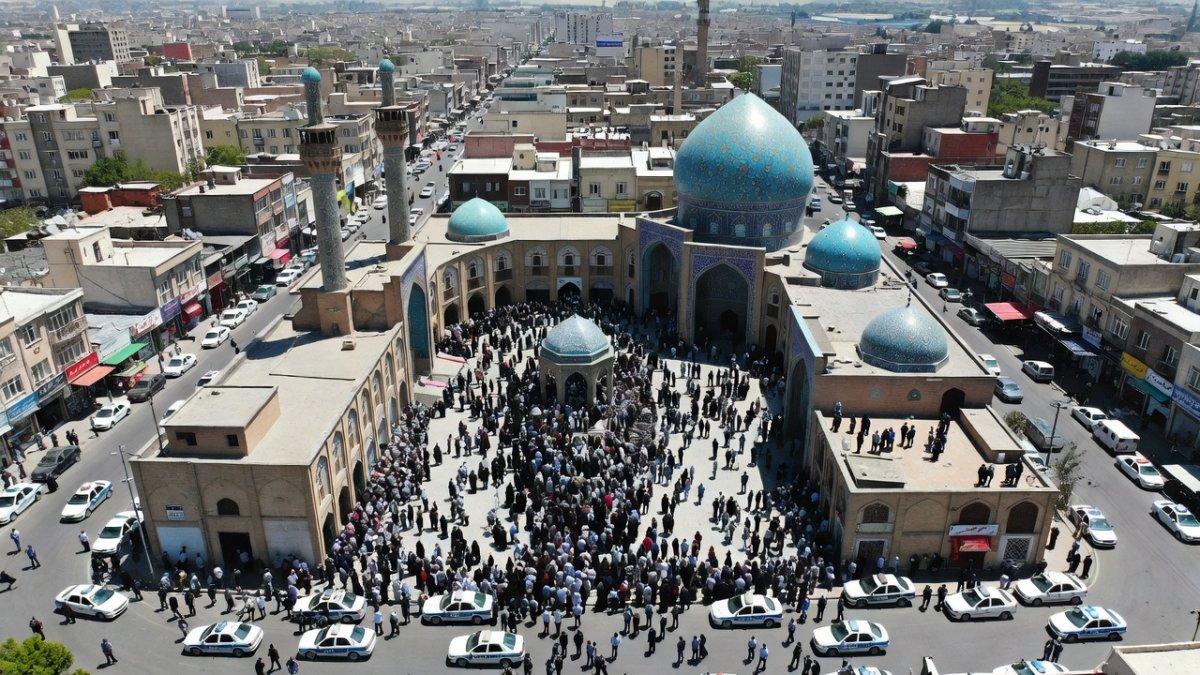
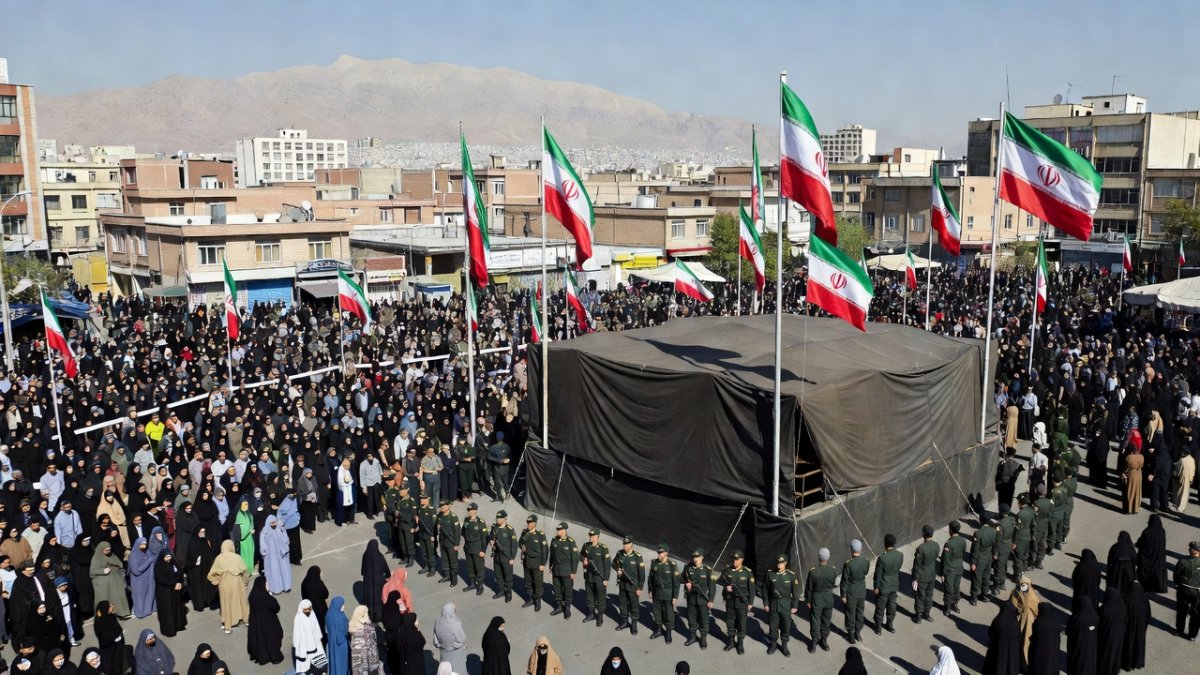
The six-day state funeral for Ali Khamenei, Iran's Supreme Leader since 1989, unfolded from July 3 to July 9, 2026, across Tehran, Qom, Najaf, Karbala, and Mashhad. The procession highlighted Iran's enduring Shia networks that stretch into Iraq. Hundreds of thousands of mourners lined the routes while coffins of Khamenei and family members killed in the February 28 US-Israeli strike remained on display.
This event occurs against the backdrop of Sunni-Shia competition and Arab-Israeli normalization efforts. Iraq's decision to host segments in Najaf and Karbala underscores Tehran's continued leverage in Shia holy sites despite the recent war. The funeral therefore serves as both a domestic consolidation tool and a regional signal of resilience.
IRGC and Quds Force at Center Stage
Esmail Qaani, commander of the IRGC Quds Force, and Ahmad Vahidi, IRGC commander, both attended the main prayers in Tehran. Their visible presence reinforced the Revolutionary Guard's central role in post-assassination governance. The IRGC issued explicit warnings against any US or Israeli strikes during the mourning period, demonstrating operational control over security decisions.
Qaani's attendance carried particular weight given his responsibility for extraterritorial operations. Analysts note that the Guard's prominence during the funeral reflects its expanded domestic authority following the February-June 2026 war. This shift suggests the military establishment now holds greater sway over both internal security and foreign policy messaging.
Mojtaba Khamenei's Absence and Succession Questions
Mojtaba Khamenei, named Supreme Leader after his father's death, did not attend any segment of the funeral. His three brothers—Mostafa, Masoud, and Meysam—appeared publicly for the first time since the assassination, creating a visible contrast. The absence has fueled speculation about internal power dynamics within the Khamenei family and the clerical establishment.
Succession questions now center on whether Mojtaba can consolidate authority without the symbolic unity typically projected during national mourning. The decision to keep him away from public view may reflect security concerns or ongoing negotiations among senior officials. Either interpretation points to a more contested leadership transition than initially anticipated.
The War's Toll and the Long Delay
The four-month gap between the February 28 assassination and the July funeral stemmed directly from the 2026 Iran war that lasted until June. Infrastructure damage and ongoing hostilities prevented large-scale public gatherings earlier. Tehran ultimately declared a three-day public holiday once the ceasefire allowed the ceremonies to proceed safely.
The delay itself became a statement of endurance. Iranian authorities used the extended period to prepare multi-city events that reinforced national cohesion. The war's physical toll, including the strike on Khamenei's residence, remained visible through the displayed coffins, reminding mourners of the conflict's human cost.
US-Iran Peace Talks on Hold
Indirect US-Iran talks scheduled after the funeral now face renewed scrutiny. President Trump remarked that the United States had "given Iran a week off for a funeral," signaling Washington's willingness to pause pressure during the mourning period. Both sides appear to view the post-funeral window as a potential opening for renewed diplomacy.
However, the IRGC's public warnings during the ceremonies indicate that any talks will occur under strict security constraints. The sequencing suggests Washington and Tehran are testing whether limited de-escalation remains possible after months of direct confrontation.
Implications for Gulf States and Regional Normalization
Saudi Arabia, the UAE, and Turkey are recalibrating their approaches following the funeral's demonstration of Iranian organizational capacity. Riyadh and Abu Dhabi have maintained cautious engagement channels despite the war, recognizing that complete isolation of Iran carries economic and security risks. Turkey, balancing its own regional ambitions, watched the Najaf and Karbala segments closely for signs of shifting Iraqi alignments.
Arab-Israeli normalization efforts now confront a more assertive IRGC posture. Gulf capitals must weigh the benefits of continued economic diversification against the possibility of renewed Iranian proxy activity once mourning concludes. The funeral has therefore injected new uncertainty into ongoing normalization tracks.
Energy Markets and the Strait of Hormuz
Global energy markets tracked the funeral closely due to Iran's repeated ability to threaten Strait of Hormuz shipping lanes. Although no disruptions occurred during the ceremonies, the IRGC's heightened profile raised concerns about future leverage tactics. Oil prices remained elevated throughout the mourning period as traders priced in residual risk.
Gulf producers, particularly Saudi Arabia and the UAE, used the interval to emphasize their own supply reliability. The contrast between Iranian political theater and Gulf production stability may influence long-term buyer preferences if tensions persist after the talks resume.
Strategic Calculus: What Each Side Wants
Tehran seeks to project continuity and deter further strikes while consolidating Mojtaba Khamenei's authority. Washington aims to test whether limited negotiations can prevent another round of escalation without appearing to reward the funeral's defiant messaging. Regional capitals want stability that protects diversification projects and avoids renewed proxy conflicts.
Each actor holds distinct leverage. Iran controls key chokepoints and proxy networks. The United States retains superior military reach and sanctions tools. Gulf states possess financial resources and growing diplomatic ties with Israel. The funeral has clarified these positions without resolving underlying tensions.
Regional Implications
The 2026 Khamenei funeral marks a transitional moment rather than a resolution. The IRGC's elevated role, the contested succession optics, and the pause in US-Iran talks all point to a Middle East still adjusting to the February assassination and subsequent war. Future developments will depend on whether indirect negotiations produce tangible restraints or merely delay the next confrontation. Gulf normalization efforts and energy market stability remain contingent on how Tehran manages its post-mourning posture.
By Malik Hassan, Staff WriterThis article was produced with AI-assisted research and editorial support. Reporting is based on sources cited in the article.
What's Your Reaction?
 Like
0
Like
0
 Dislike
0
Dislike
0
 Love
0
Love
0
 Funny
0
Funny
0
 Wow
0
Wow
0
 Sad
0
Sad
0
 Angry
0
Angry
0

Middle East Correspondent at Global1.News. Based in Beirut, covering politics, conflict, energy, and society across the Middle East. Brings context and depth to a region often reduced to headlines.










Comments (0)