
Iran Issues Direct Strike Warning to Israel Over Beirut Operation as US-Iran Peace Deal Framework Agreed
In a recent i24NEWS report, the network detailed Iran's direct warnings to target Israeli territory if airstrikes continue, set against the backdrop of the US-Iran framework agreement announced on Sunday. The report comes as the region faces its most consequential diplomatic moment since the outbreak of hostilities. Iran Issues Direct Strike Warning to Israel Over Beirut Operat
In a recent i24NEWS report, the network detailed Iran's direct warnings to target Israeli territory if airstrikes continue, set against the backdrop of the US-Iran framework agreement announced on Sunday. The report comes as the region faces its most consequential diplomatic moment since the outbreak of hostilities.
Iran Issues Direct Strike Warning to Israel Over Beirut Operation as US-Iran Peace Deal Framework Agreed
Jerusalem – June 14, 2026 — On Sunday the IDF carried out airstrikes on Hezbollah targets in Beirut's southern suburb of Dahieh, killing Hezbollah commander Ali Musa Daqduq in response to rocket attacks on Israeli territory. The operation coincided with the US-Iran announcement of a framework peace agreement that includes a 60-day ceasefire extension and a formal signing ceremony scheduled for Friday, June 19 in Switzerland.
US-Iran Framework Agreement Details Emerge
The US and Iran finalized the text of the framework agreement on Sunday, with Pakistan's Prime Minister confirming the document after nearly 14 to 15 hours of talks mediated by Qatari officials in Tehran. The deal provides for removal of the US naval blockade, reopening of the Strait of Hormuz, and a 60-day negotiation period focused on technical aspects of Iran's nuclear program. Iranian Deputy Foreign Minister statements highlighted Qatar's central role in bridging positions between Washington and Tehran, with Qatari mediators shuttling between the two capitals to finalize the memorandum of understanding.
IDF Operation Targets Hezbollah Leadership in Dahieh
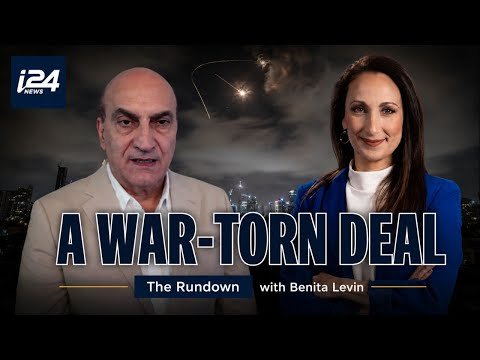
The IDF confirmed the Sunday strikes in Dahieh specifically eliminated Hezbollah commander Ali Musa Daqduq, who had directed rocket fire toward northern Israeli communities in recent days. Israeli security officials in Jerusalem noted the operation addressed immediate threats from Hezbollah infrastructure embedded in civilian areas of Beirut's southern suburbs. The action followed repeated rocket launches from Lebanese territory that reached Israeli population centers, triggering alerts in communities across the Galilee panhandle. Military sources said the strike was carefully timed to avoid civilian casualties, though the densely populated nature of Dahieh has drawn international scrutiny.
Trump-Netanyahu Phone Call Reveals Sharp Tensions
President Trump posted on Truth Social that the Beirut strike "should not have happened, particularly on a special day when we are so close to a Peace Deal with Iran. Let's not blow it." In a subsequent phone call, Trump told Prime Minister Netanyahu the operation risked further isolating Israel internationally and urged restraint to avoid derailing the agreement. Israeli officials in the Prime Minister's Office described the exchange as tense, with Netanyahu defending the strike as a necessary response to Hezbollah aggression that has targeted Israeli civilians for weeks. The Jerusalem Post confirmed the call took place on Sunday evening.
Iran Threatens Withdrawal and Direct Action Against Israel
Iranian officials stated that continued Israeli strikes on Dahieh demonstrated America's inability to control its ally. Iranian chief negotiator Mohammad Bagher Ghalibaf signaled the Israeli strike could undermine the US-Iran deal, stating that "the Zionist aggression on Dahieh has once again shown that America either does not have the will or the ability to fulfill its obligations." Tehran warned it would strike Israeli territory and consider withdrawing from the ceasefire provisions if attacks persisted. Iranian media described the message to Washington as a demand to "restrain the rabid dog," directly linking the Dahieh operation to potential collapse of the 60-day negotiation window.
Israeli Security Concerns Over Deal Terms
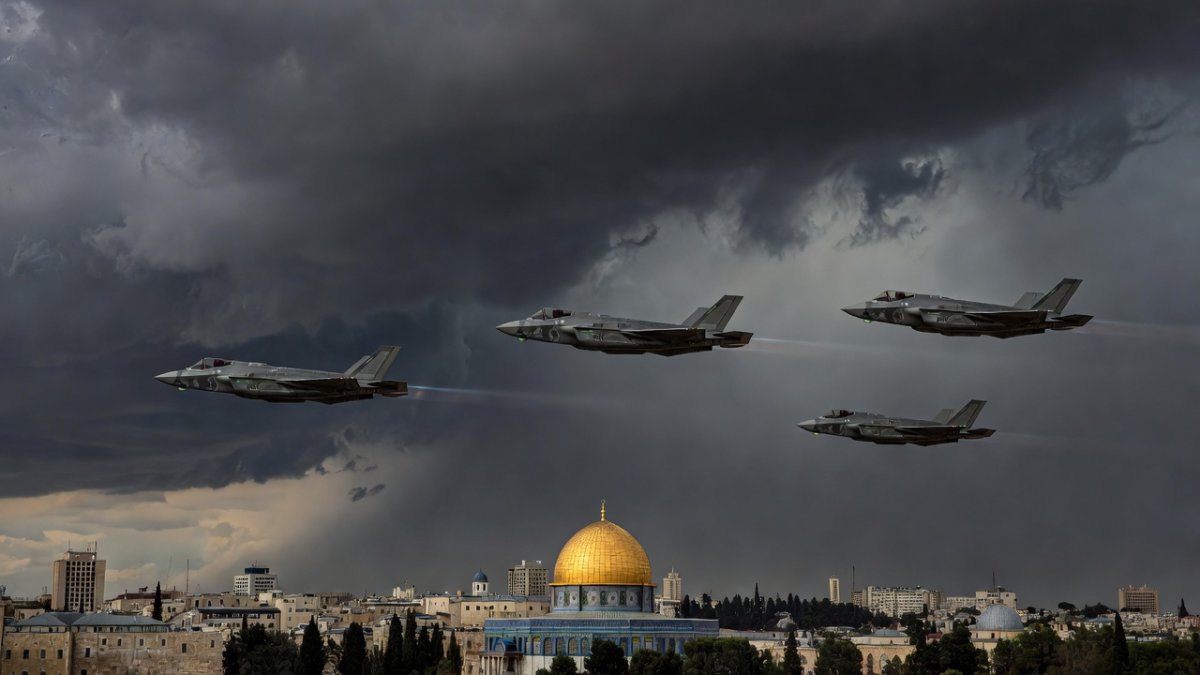
Israeli commentators and security analysts in Tel Aviv and Jerusalem described the US-Iran agreement as a "bad deal" that leaves Iran's nuclear program and proxy networks unaddressed. Concerns center on the absence of binding limits on Hezbollah rearmament in southern Lebanon and the lack of verification mechanisms for Iranian missile development. Knesset members from multiple parties argued the deal weakens Israel's deterrence posture ahead of the June 19 signing in Switzerland. The New York Post reported widespread Israeli criticism of the framework, with analysts noting that the 60-day negotiation window does not constrain Iranian enrichment activity or its funding of proxy forces along Israel's borders.
Regional Implications and What Comes Next
The combination of the US-Iran framework and Iran's explicit strike threats places additional pressure on Israeli decision-making in Jerusalem. The IDF must balance ongoing operations against Hezbollah in Beirut's Dahieh with the risk of Iranian retaliation that could expand beyond Lebanon into direct confrontation. Foreign Ministry officials noted that the deal's reopening of the Strait of Hormuz may ease global energy pressures but does nothing to constrain Iranian funding of groups targeting Israeli borders.
UK Prime Minister Keir Starmer welcomed the memorandum of understanding and offered British support for implementation, yet Israeli assessments in the Prime Minister's Office remain focused on the gap between the agreement's nuclear provisions and actual security threats from Iranian proxies. The coming 60-day negotiation period will test whether Washington can prevent further escalation while Israel maintains its right to respond to attacks from Lebanese territory. For Israeli readers, the central question remains whether a deal that leaves Iran's nuclear infrastructure intact and its proxy networks funded can truly deliver the stability Jerusalem requires.
By Hannah Berg, Staff Writer
This article was produced with AI-assisted research and editorial support. Reporting is based on sources cited in the article.
What's Your Reaction?
 Like
0
Like
0
 Dislike
0
Dislike
0
 Love
0
Love
0
 Funny
0
Funny
0
 Wow
0
Wow
0
 Sad
0
Sad
0
 Angry
0
Angry
0
Israel Correspondent at Global1.News. Based in Tel Aviv, covering Israeli politics, security, technology, and society. Provides balanced, deeply-sourced reporting on one of the most closely-watched regions in the world.













Comments (0)