
Putin and Zelensky Hold Parallel Phone Calls With Trump as G7 Summit Approaches
Parallel Phone Calls Signal Intensified U.S. Engagement On Sunday, Ukrainian President Volodymyr Zelensky held a phone conversation with U.S. President Donald Trump. The Kremlin later confirmed that Russian President Vladimir Putin also spoke with Trump that same day. These contacts occurred as preparations advanced for the G7 summit in France, where Trump and Zelensky are sche
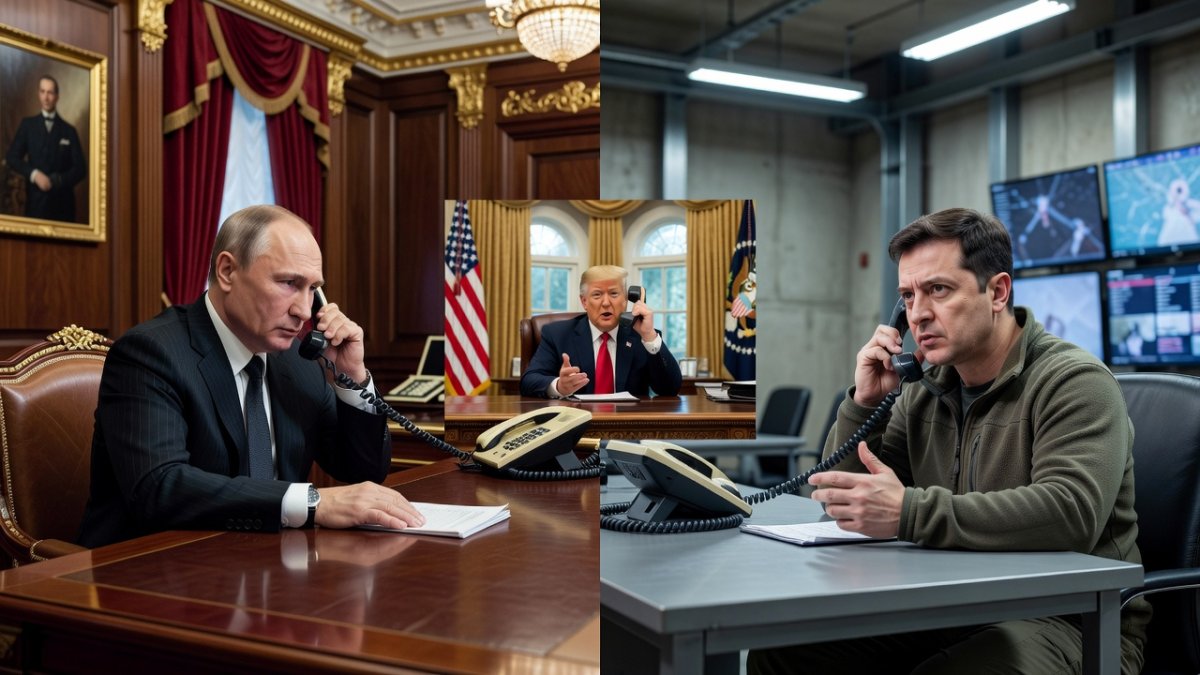
Parallel Phone Calls Signal Intensified U.S. Engagement
On Sunday, Ukrainian President Volodymyr Zelensky held a phone conversation with U.S. President Donald Trump. The Kremlin later confirmed that Russian President Vladimir Putin also spoke with Trump that same day. These contacts occurred as preparations advanced for the G7 summit in France, where Trump and Zelensky are scheduled to meet in a working session on Tuesday.
The timing of the calls, made public in quick succession, drew attention from officials in Moscow, Kyiv, and Washington. Kremlin aide Yury Ushakov described the Putin-Trump exchange as friendly and frank, while Zelensky posted on social media about his own discussion. Both conversations touched on the conflict in Ukraine, though the Kremlin statement placed greater emphasis on developments involving Iran.
Zelensky Outlines Battlefield Developments and Peace Ideas
Zelensky stated that he and Trump discussed measures that could help bring about peace. He informed the U.S. leader about the latest battlefield developments and noted that Ukraine's position had strengthened. The two leaders agreed to continue the conversation during their planned meeting at the G7 summit, where Zelensky said they have some good ideas that could advance peace and protect lives.
These remarks came amid ongoing Russian advances that the source material indicates are showing signs of losing steam. Zelensky's comments framed the call as an opportunity to explore immediate steps toward ending the invasion that began in February 2022. Ukrainian officials have consistently highlighted the need for continued support while engaging in diplomatic channels.
Kremlin Details Putin-Trump Exchange on Iran and Ukraine
The Kremlin issued a statement shortly after Zelensky's announcement. According to Yury Ushakov, the conversation between Putin and Trump focused primarily on the memorandum of understanding being drafted between the United States and Iran. Trump reportedly told Putin that an agreement is close and expressed hope that the results of the negotiations could be announced that day.
Putin and Trump also agreed that U.S. presidential special representatives Steve Witkoff and Jared Kushner, who have been involved in Iranian affairs, will return to Russia soon. Ushakov conveyed Putin's view that attempts by Kyiv to strike civilian infrastructure in Russia will not change the critical situation for Ukraine on the battlefield. The statement attributed these positions directly to the Russian leader.
Iran Conflict Overshadows Ukraine Peace Efforts
U.S.-led talks to end the conflict in Ukraine have been sidelined by the Iran war, according to the available information. The peace process involving Russia and Ukraine has largely stalled since the U.S.-Israeli strikes on Iran in February. Witkoff and Kushner had previously engaged in shuttle diplomacy between Russia and Ukraine, yet progress has slowed as attention shifted.
Trump has pushed both sides to end the Ukraine conflict after initially stating he could resolve it within a day of taking office. He has also repeatedly leaned on Ukraine to make compromises with Russia. The parallel calls this weekend occurred against this backdrop of competing regional priorities.
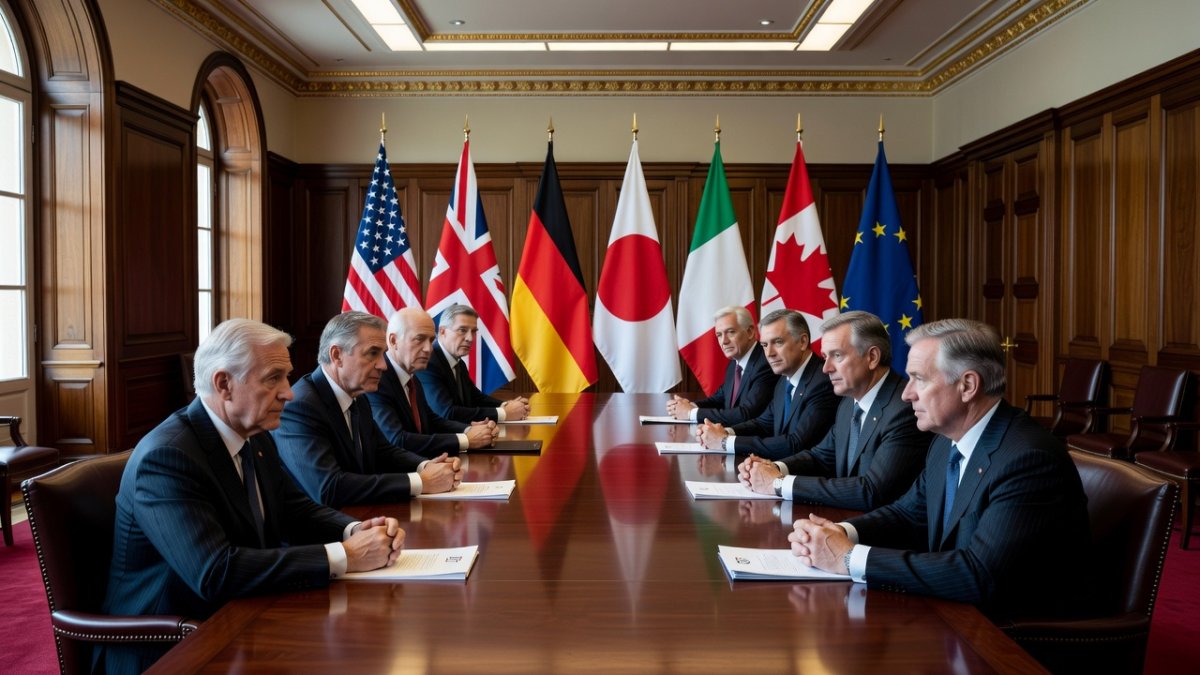
G7 Summit Offers Platform for Direct Discussion
Trump will participate in a G7 working session with Zelensky in France on Tuesday. Zelensky indicated that the in-person meeting would allow for deeper exploration of the ideas raised during the Sunday phone call. The summit setting provides an opportunity for leaders from multiple nations to address the grinding conflict now in its fifth year.
Officials from the European Union and NATO members have followed these developments closely, given the broader implications for European security. The presence of multiple heads of state at the G7 creates space for side discussions that could influence the direction of negotiations.
Analysis and Implications
Russia's invasion of Ukraine has become Europe's worst conflict since World War II, resulting in thousands of civilian deaths and hundreds of thousands of troops killed. Ukraine has in recent weeks stepped up aerial attacks that it says target Russia's oil infrastructure to reduce profits funding the war. Russian officials maintain that such strikes will not alter battlefield realities.
These diplomatic exchanges occur within established Kremlin power structures, where decisions on foreign policy involve coordination across the Foreign Ministry and Defense Ministry. The involvement of figures such as Yury Ushakov reflects standard channels for communicating Russian positions. Observers in Astana and Yerevan, as well as in Brussels, continue to monitor how these contacts may affect post-Soviet stability and energy politics involving companies such as Gazprom.
Analysts suggest the parallel calls could indicate renewed U.S. interest in coordinating with both Moscow and Kyiv ahead of the G7 gathering, though the extent of any concrete movement remains to be seen in the coming days.
By Irina Volkov, Staff Writer
This article was produced with AI-assisted research and editorial support. Reporting is based on sources cited in the article.
What's Your Reaction?
 Like
0
Like
0
 Dislike
0
Dislike
0
 Love
0
Love
0
 Funny
0
Funny
0
 Wow
0
Wow
0
 Sad
0
Sad
0
 Angry
0
Angry
0
Russia/Eastern Europe Correspondent at Global1.News. Covering Russian politics, energy, security, and the shifting dynamics of the post-Soviet space. Provides clear-eyed analysis on one of the world's most opaque regions.














Comments (0)