
How Has the Netanyahu-Trump Relationship Changed Since the Iran-US MoU?
The US-Iran Memorandum of Understanding signed on June 18, 2026, with a formal ceremony held the following day in Geneva, Switzerland, immediately altered calculations inside the Prime Minister's Office in Jerusalem. As an i24NEWS video broadcast on June 19 detailed the 60-day ceasefire extension and reopening of the Strait of Hormuz, Israeli officials noted the absence of any
The US-Iran Memorandum of Understanding signed on June 18, 2026, with a formal ceremony held the following day in Geneva, Switzerland, immediately altered calculations inside the Prime Minister's Office in Jerusalem. As an i24NEWS video broadcast on June 19 detailed the 60-day ceasefire extension and reopening of the Strait of Hormuz, Israeli officials noted the absence of any reference to Iran's nuclear program or frozen assets. The document deferred those core issues, leaving the IDF Northern Command and Southern Command without clear operational guidance on Hezbollah positions in southern Lebanon. Netanyahu's office confirmed receipt of two direct calls from President Trump on June 16 and June 17, yet the Prime Minister's Bureau in Tel Aviv released no transcripts, underscoring the deliberate bypass of the Foreign Ministry and National Security Council channels that normally coordinate such exchanges.
How Has the Netanyahu-Trump Relationship Changed Since the Iran-US MoU?
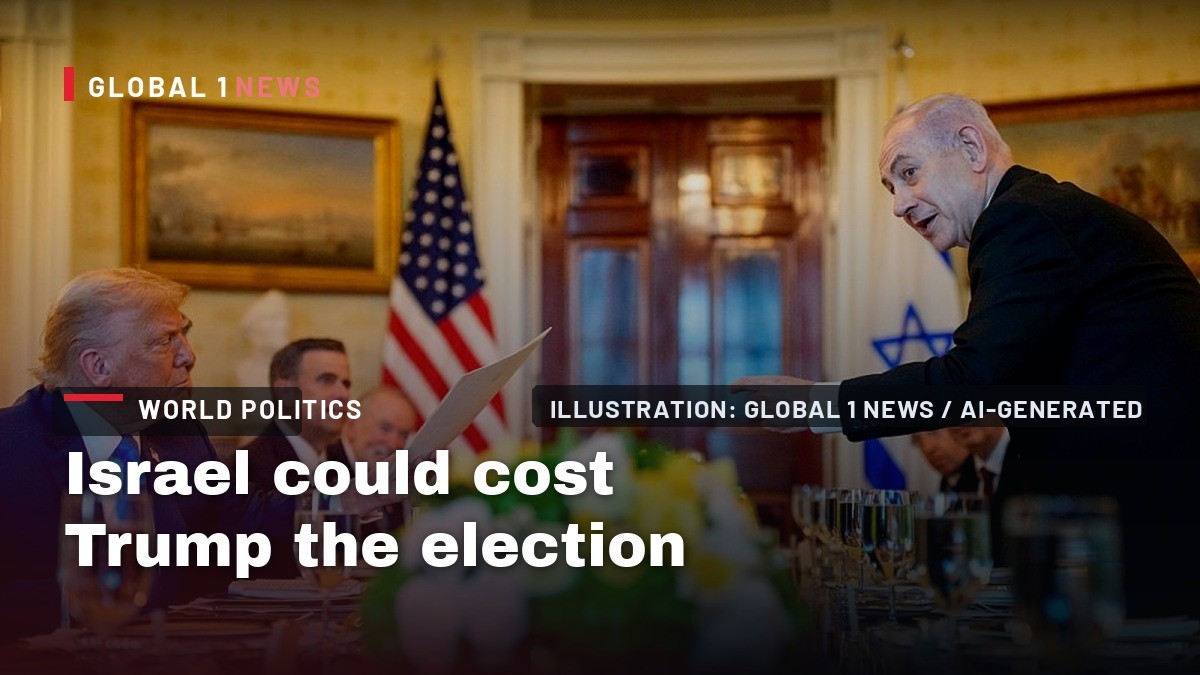
Jerusalem, Israel – June 2026 — The US-Iran Memorandum of Understanding signed this week has fundamentally reshaped the strategic calculus between Israeli Prime Minister Benjamin Netanyahu and US President Donald Trump, testing a partnership that had been the centerpiece of Netanyahu's foreign policy and re-election campaign. The agreement, with its 60-day ceasefire framework and reopening of the Strait of Hormuz, has left Israeli defense officials reassessing operational planning across multiple fronts while Netanyahu's political opponents seize on the deal as evidence of failed leadership.
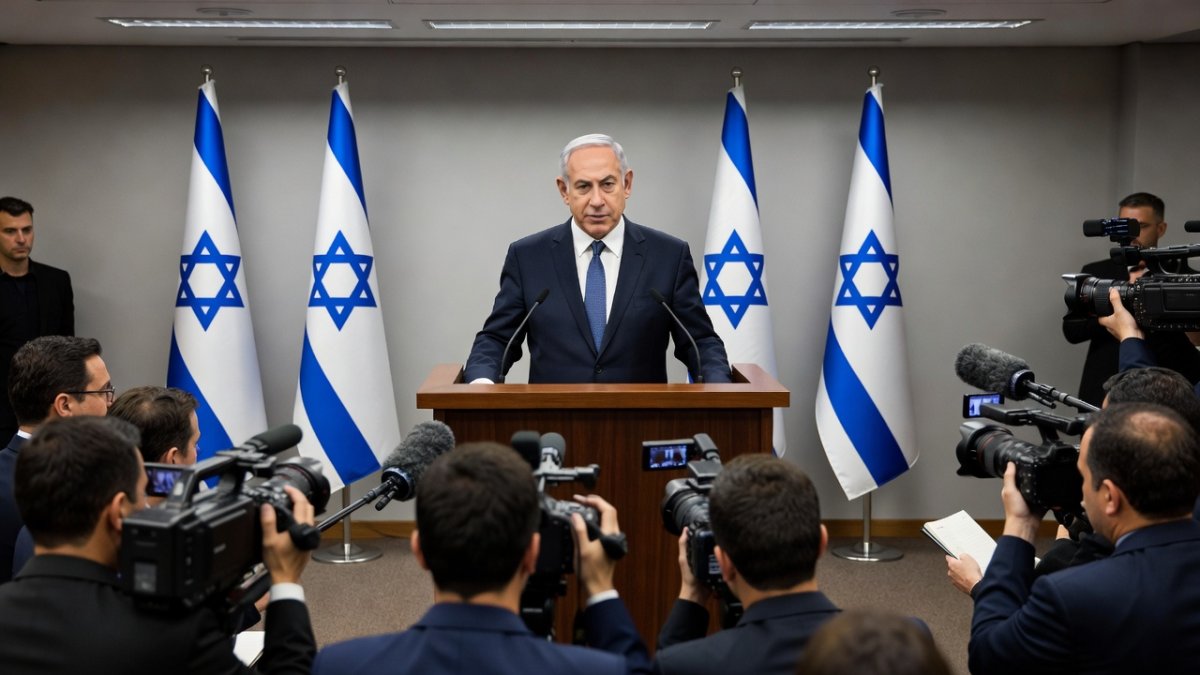
The MoU Signing and Initial Strains in Jerusalem-Tel Aviv Ties
The US-Iran Memorandum of Understanding signed on June 18, 2026, with a formal ceremony held the following day in Geneva, Switzerland, immediately altered calculations inside the Prime Minister's Office in Jerusalem. As an i24NEWS video broadcast on June 19 detailed the 60-day ceasefire extension and reopening of the Strait of Hormuz, Israeli officials noted the absence of any reference to Iran's nuclear program or frozen assets. The document deferred those core issues, leaving the IDF Northern Command and Southern Command without clear operational guidance on Hezbollah positions in southern Lebanon. Netanyahu's office confirmed receipt of two direct calls from President Trump on June 16 and June 17, yet the Prime Minister's Bureau in Tel Aviv released no transcripts, underscoring the deliberate bypass of the Foreign Ministry and National Security Council channels that normally coordinate such exchanges.
These procedural shortcuts carried immediate consequences for Israel's security doctrine. The joint US-Israel military campaign launched on February 28, 2026, had aimed at dismantling Iranian nuclear infrastructure; the MoU effectively paused that effort without achieving stated objectives. Within the Knesset Foreign Affairs and Defense Committee, Likud members expressed concern that the 60-day window would allow Tehran to reposition assets across the West Bank and Gaza border areas. Netanyahu's campaign strategists, who had planned a September White House visit to showcase the alliance ahead of the October 2026 elections, now confronted a diplomatic reality in which Trump publicly stated on June 16 that Netanyahu "should be more responsible" regarding Lebanon operations.
Direct Phone Calls and the Erosion of Institutional Coordination
Trump's decision to contact Netanyahu directly, first to criticize the Beirut strike and later to declare the war effectively over, bypassed the established protocols involving the Israeli Foreign Ministry in Jerusalem and the US National Security Council. Axios reporting on the first call captured Trump's blunt assessment that Netanyahu "has no fucking judgment," language that quickly circulated among senior IDF officers at the Kirya compound in Tel Aviv. The second call, delivered without prior notice to Mossad Director David Barnea or Shin Bet chief Ronen Bar, signaled that Washington would no longer treat the February 28 joint campaign as an open-ended commitment. Netanyahu's office acknowledged both conversations but supplied no details to the Knesset, prompting questions about whether the Prime Minister's Bureau was deliberately shielding the content from coalition partners.
This channel of communication created immediate friction inside Israel's security establishment. Northern Command units operating near the Litani River faced uncertainty over coordination with UNIFIL forces, as the MoU left IDF withdrawal from southern Lebanon unresolved. Gulf states monitoring the talks, particularly Saudi Arabia and the UAE, paused normalization discussions that had been advancing through the Foreign Ministry in Jerusalem. The absence of formal NSC involvement meant that Israeli intelligence assessments on Hezbollah rocket capabilities were not integrated into the final MoU text, leaving the IDF to manage heightened risks of cross-border incidents during the 60-day period.
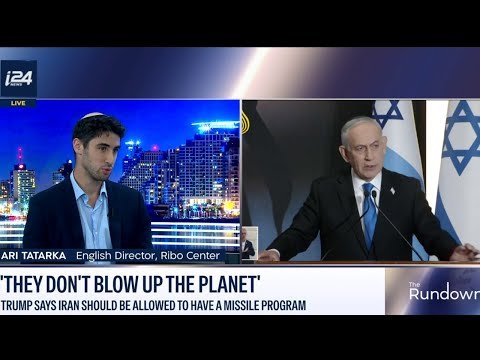
Netanyahu's Public Silence and Strategic Messaging Shift
Netanyahu's first press conference after the Geneva ceremony featured an eight-minute opening statement that devoted minimal attention to Trump or the MoU, a marked departure from his 2015 address to the US Congress opposing the Obama-era nuclear agreement. When pressed by reporters in Jerusalem, he stated that "there are cases in which President Trump and I do not see eye to eye" and emphasized that he remained "responsible for Israel's security interests." The same phrasing appeared in subsequent Likud briefings held at party headquarters in Tel Aviv, indicating a deliberate effort to distance the Prime Minister from the American decision without triggering an open rupture.
This calibrated restraint reflected the collapse of the campaign narrative that had positioned a swift victory over Iran as the centerpiece of Netanyahu's October 2026 re-election bid. Political consultants inside the Likud campaign had prepared materials featuring joint appearances with Trump; those assets were now sidelined. The Prime Minister's Bureau instead directed messaging toward domestic security responsibilities, avoiding any endorsement of the MoU's framework for Lebanon. The result was a vacuum that opposition parties quickly filled with accusations that Netanyahu had lost leverage over Washington.
Opposition Attacks and Coalition Fractures in the Knesset
Ehud Barak described the MoU as evidence that "Israel is paying the price of Netanyahu's hubris and blindness," while Yair Lapid labeled it "one of the most shocking failures in Israel's foreign and security policy." Naftali Bennett warned of "a dangerous turn in Israel's security," and Gadi Eisenkot called the outcome "a miserable result" stemming from the absence of a coherent strategy. These statements, delivered in coordinated appearances at the Knesset, amplified pressure on the governing coalition. Far-right ministers Itamar Ben Gvir and Bezalel Smotrich publicly termed the accord "dangerous," signaling potential defections if Netanyahu failed to extract concessions during the 60-day window.
Inside Likud, a senior source reported that Trump had become "highly unpopular within Netanyahu's base," particularly among voters in Jerusalem and the settlements who had viewed the February 28 campaign as a decisive blow against Iranian entrenchment. Opposition strategists prepared to frame any future Trump endorsement of Netanyahu as proof that the Prime Minister had "turned into a poodle," a line already tested in focus groups conducted in Tel Aviv and Haifa. The resulting polarization threatened to fracture the coalition before the October elections, forcing Netanyahu to navigate between retaining far-right support and preserving operational flexibility with Washington.
Declining Public Confidence and Media Realignment
An Israel Democracy Institute poll released in June showed that the percentage of Jewish Israelis who viewed Israel security as a Trump priority had fallen from 64 percent in March to 44 percent. This shift coincided with a noticeable change in tone on Channel 14, where presenters who previously described Trump as the "greatest gift to the Jewish people" now referred to him as a "loser." Right-wing analyst Mati Tuchfeld wrote in Maariv that "Trump's stock is declining—not a crash but the trend is downward," reflecting broader sentiment among voters in central Israel who had linked Netanyahu's fortunes to the American president.
Netanyahu's campaign team responded by abandoning the "Strong Together" slogan that had featured both leaders and began testing alternative messaging focused solely on domestic security threats from Gaza and the West Bank. The Atlantic Magazine observed on June 18 that "an alliance with Trump was Netanyahu's selling point. Now it may be his downfall," a judgment echoed in private briefings at the Prime Minister's Office. The erosion of public confidence directly affected fundraising and volunteer mobilization in key districts ahead of the October vote.
Lebanon Operations and Regional Diplomatic Fallout
The MoU left Israel's Lebanon operations in limbo, with Iran demanding a full IDF withdrawal from southern Lebanon before any further talks. Northern Command coordination with UNIFIL became more complicated, as Hezbollah retained the ability to launch rockets across the border. Any single successful Hezbollah strike would intensify domestic pressure on Netanyahu to respond, potentially reigniting the very conflict the MoU sought to pause. Gulf states, including Saudi Arabia and the UAE, suspended normalization talks that had been managed through the Foreign Ministry, citing the uncertainty created by the Geneva framework.
These regional dynamics directly affected Israel's strategic posture. Mossad assessments circulated in Jerusalem warned that Iranian proxies in Syria and Iraq could exploit the 60-day period to resupply Hezbollah, complicating future IDF operations. The absence of a clear US commitment to support Israeli actions in Lebanon forced the security cabinet to reconsider rules of engagement along the northern border, with implications for communities in the Galilee and Golan Heights.
Campaign Realignment and the Question of Future Leverage
Netanyahu's campaign had planned a swift victory narrative culminating in a September White House visit; instead, the Trump deal and public tensions forced a pivot away from the American alliance as the central theme. Political consultant Nadav Strauchler noted that "there are still 60 days to influence the US," yet the window offered limited room for maneuver given the MoU's explicit deferral of nuclear and asset issues. The Prime Minister's Bureau now confronted the task of constructing a re-election platform that did not rely on Trump as its centerpiece, a challenge that required new alliances inside the Knesset and fresh messaging tested across Israeli media markets.
The core question facing Netanyahu remains whether he can sustain his October 2026 bid without the Trump partnership that once defined his foreign policy. With coalition partners restive and public confidence in the US relationship declining, the coming weeks will determine whether the Prime Minister can restore leverage in Washington or must navigate the election without it.
By Hannah Berg, Staff WriterThis article was produced with AI-assisted research and editorial support. Reporting is based on sources cited in the article.
What's Your Reaction?
 Like
0
Like
0
 Dislike
0
Dislike
0
 Love
0
Love
0
 Funny
0
Funny
0
 Wow
0
Wow
0
 Sad
0
Sad
0
 Angry
0
Angry
0
Israel Correspondent at Global1.News. Based in Tel Aviv, covering Israeli politics, security, technology, and society. Provides balanced, deeply-sourced reporting on one of the most closely-watched regions in the world.













Comments (0)