
British Airways Extends Flight Cancellations to Israel Through Late October 2026
BA Extends Suspension Through Late October British Airways has formally extended its suspension of flights to Tel Aviv through late October 2026, shifting the previous resumption target of August 1 by nearly three months. The carrier cited ongoing operational challenges across multiple Middle East routes as the primary driver for this adjustment. Jerusalem Post reporting confir
BA Extends Suspension Through Late October
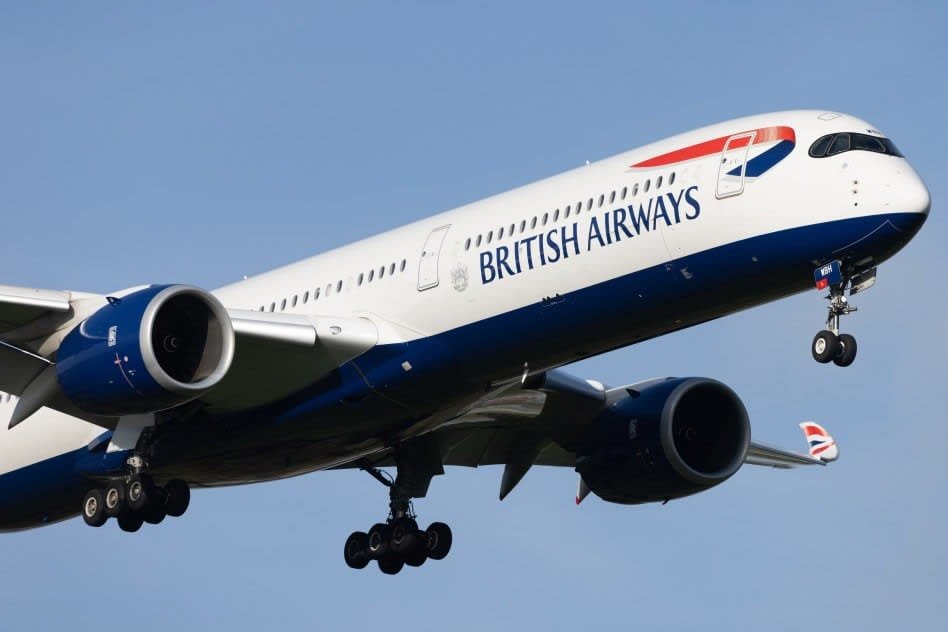
British Airways has formally extended its suspension of flights to Tel Aviv through late October 2026, shifting the previous resumption target of August 1 by nearly three months. The carrier cited ongoing operational challenges across multiple Middle East routes as the primary driver for this adjustment. Jerusalem Post reporting confirms that the airline will maintain the pause on services to Israel until October 25, 2026, aligning with a broader regional strategy. This decision affects thousands of scheduled passengers who had anticipated restored connectivity earlier in the summer.
The extended timeline also encompasses suspensions to Dubai, Amman, and Bahrain, creating a unified pause across several key destinations. Yeshiva World News notes that British Airways intends to restart limited operations to Doha and Riyadh in August, though these plans remain subject to further review. Such selective resumption highlights the airline’s differentiated risk assessment for Gulf versus Levantine routes. Travelers booking through European hubs now face prolonged reliance on alternative carriers or indirect itineraries.
Industry analysts observe that the move reflects a cautious recalibration rather than a permanent withdrawal from the Israeli market. British Airways continues to monitor diplomatic and security developments that could permit an earlier return. The carrier’s decision coincides with similar reviews by other European operators, underscoring a collective hesitation to commit aircraft and crew resources amid fluid conditions. Passengers are advised to monitor updates directly from the airline for any future schedule revisions.
Security Concerns Behind the Decision
Regional security uncertainty, particularly difficulties in reaching a stable arrangement with Iran, underpins British Airways’ extended suspension according to Jerusalem Post sources. The airline’s risk management team concluded that current geopolitical dynamics do not yet support reliable scheduling through the summer and early autumn. This assessment incorporates intelligence on potential disruptions to overflight permissions and ground operations at Ben Gurion Airport. The decision prioritizes passenger and crew safety over commercial pressures to restore service.
Multiple international carriers have initiated parallel reviews of their Middle East networks, indicating a sector-wide response to the same threat environment. British Airways’ choice to align its Tel Aviv pause with routes to Jordan and the UAE demonstrates a coordinated approach to volatile airspace. Yeshiva World News reporting emphasizes that the carrier views the extended timeline as necessary until clearer diplomatic signals emerge. Such caution mirrors patterns observed during previous periods of heightened tension in the region.
Operational considerations extend beyond immediate security threats to include insurance costs and crew scheduling complexities. British Airways has communicated that any acceleration of the October 25, 2026, resumption date would require sustained de-escalation across multiple fronts. The airline maintains regular contact with Israeli aviation authorities to facilitate a smooth restart when conditions permit. This measured stance reflects broader industry efforts to balance connectivity with prudent risk mitigation.
Impact on Israeli Travelers and the High Holidays
The suspension ensures no British Airways flights will operate during the Jewish High Holidays, including Rosh Hashanah, Yom Kippur, and Sukkot, leaving many families without direct London connections. Yeshiva World News highlights the timing as particularly disruptive for those planning pilgrimages or family reunions in Israel. The extended timeline forces travelers to seek alternative carriers or adjust travel dates significantly. Community organizations have begun compiling lists of viable routing options through European and Turkish hubs.
Business travelers reliant on British Airways’ premium cabins now face extended periods without preferred schedules, prompting some to shift to codeshare partners. The absence of service until after the High Holidays compounds logistical challenges for academic exchanges and medical tourism between the UK and Israel. Jerusalem Post coverage notes that refund and rebooking volumes have surged since the announcement, straining customer service lines. Affected passengers are exploring flexible ticket policies offered by competing airlines.
Longer-term planning for winter travel has also been complicated by the uncertainty surrounding the October 25, 2026, resumption. Some Israeli expatriates in Britain report delaying visits until direct flights resume, while others accelerate trips before the current suspension fully takes effect. The carrier’s decision has sparked discussions within travel agencies about promoting multi-leg itineraries via Athens or Istanbul. These adaptations illustrate the ripple effects of the extended pause on personal and communal calendars.
Etihad's Expansion Provides a Regional Counterpoint
While British Airways maintains its extended suspension, Etihad Airways has accelerated its presence by operating two daily flights to Israel with plans to increase capacity to six daily services between Abu Dhabi and Tel Aviv beginning June 15. Jerusalem Post reporting positions this expansion as a strategic counterbalance to European carriers’ caution. Etihad’s move capitalizes on available slots at Ben Gurion Airport and growing demand from Gulf travelers. The airline’s Gulf-based network offers indirect connections to Asia and Australia that British Airways previously facilitated.
Etihad’s increased frequency reflects confidence in the security environment around its home hub and a willingness to absorb market share vacated by paused European operators. Passengers seeking connections beyond the Middle East now route through Abu Dhabi more frequently. Yeshiva World News notes that this development provides Israeli travelers with additional options during the period British Airways remains absent. The contrast underscores differing corporate risk appetites shaped by geographic proximity and alliance structures.
Airport authorities in Tel Aviv have welcomed Etihad’s commitment, anticipating smoother slot utilization and enhanced regional connectivity. The carrier’s expansion also supports tourism initiatives aimed at Gulf visitors exploring historical and cultural sites. British Airways customers holding tickets for suspended flights are being offered rerouting suggestions that sometimes include Etihad metal. This competitive dynamic illustrates how one airline’s extended timeline can create opportunities for others operating under different operational parameters.
Israeli Carriers Absorb Additional Demand
El Al, Arkia, and Israir continue operating regular schedules from Ben Gurion Airport, positioning themselves to capture passengers displaced by British Airways’ extended suspension. These carriers have added frequencies on popular European routes to accommodate the surge in demand. Jerusalem Post sources indicate that load factors on Israeli airlines have risen noticeably since the announcement, particularly on London and Manchester services. Domestic carriers benefit from established security protocols and familiarity with regional contingencies.
Arkia and Israir have introduced promotional fares targeting travelers originally booked on British Airways, easing the transition for leisure passengers. El Al has extended its codeshare agreements with North American partners to maintain seamless long-haul itineraries. Yeshiva World News coverage emphasizes that Israeli carriers view the current period until late October 2026 as an opportunity to strengthen customer loyalty. Ground handling and maintenance teams at Ben Gurion have adjusted shifts to support the increased flight volume.
The continued operation of these airlines ensures that essential connectivity to Israel remains intact despite foreign carrier withdrawals. Business delegations and government officials continue to rely on El Al’s dedicated services for time-sensitive travel. Israeli carriers have also enhanced their onboard offerings to compete with the premium experience previously provided by British Airways. This absorption of demand demonstrates the resilience of the local aviation sector amid shifting international schedules.
Outlook for Aviation Links to Israel
The extended suspension through late October 2026 leaves open the possibility of further adjustments should regional conditions improve more rapidly than anticipated. British Airways has signaled willingness to accelerate resumption if diplomatic progress with Iran materializes. Jerusalem Post analysts suggest that the October 25 target may serve as a flexible benchmark rather than a fixed deadline. Industry observers continue to track overflight permissions and insurance market signals for early indicators of change.
Competition from Gulf carriers and robust Israeli operators is expected to sustain adequate capacity during the pause, mitigating some economic impacts on tourism and trade. Yeshiva World News reporting notes that the High Holidays period will test the adaptability of alternative routing networks. Long-term prospects for British Airways’ return hinge on sustained stability across multiple borders. The carrier’s measured approach reflects a broader recalibration of risk tolerance in Middle East aviation.
Future schedule restorations will likely occur incrementally, beginning with limited frequencies before scaling to pre-suspension levels. Airport infrastructure at Ben Gurion remains prepared for increased movements once foreign carriers resume. Stakeholders across the travel ecosystem are preparing contingency plans that extend beyond the current timeline. This cautious optimism underscores the interplay between security realities and commercial imperatives shaping Israel’s international air links.
By Hannah Berg, Staff WriterThis article was produced with AI-assisted research and editorial support. Reporting is based on sources cited in the article.
What's Your Reaction?
 Like
0
Like
0
 Dislike
0
Dislike
0
 Love
0
Love
0
 Funny
0
Funny
0
 Wow
0
Wow
0
 Sad
0
Sad
0
 Angry
0
Angry
0

Israel Correspondent at Global1.News. Based in Tel Aviv, covering Israeli politics, security, technology, and society. Provides balanced, deeply-sourced reporting on one of the most closely-watched regions in the world.















Comments (0)