
Yazidi Doctor Nagham Nawzat Gives Life Back to IS Survivors
The Day Sinjar Fell: One Woman's Ordeal Shireen was preparing for a high school examination in her family home in Sinjar on 3 August 2014 when Islamic State militants stormed the house and seized her. At 19 she was taken to Tal Afar and sold as a sex slave to an IS fighter. Three months later she was sold again, this time to a man named Abu Omar in Mosul who already had two Ira
The Day Sinjar Fell: One Woman's Ordeal
Shireen was preparing for a high school examination in her family home in Sinjar on 3 August 2014 when Islamic State militants stormed the house and seized her. At 19 she was taken to Tal Afar and sold as a sex slave to an IS fighter. Three months later she was sold again, this time to a man named Abu Omar in Mosul who already had two Iraqi wives. She recalls his words clearly: he told her he loved her, yet subjected her to repeated rape. The other wives beat her when they met. Guards stood at the door; she was forbidden even to step into the garden for fresh air.
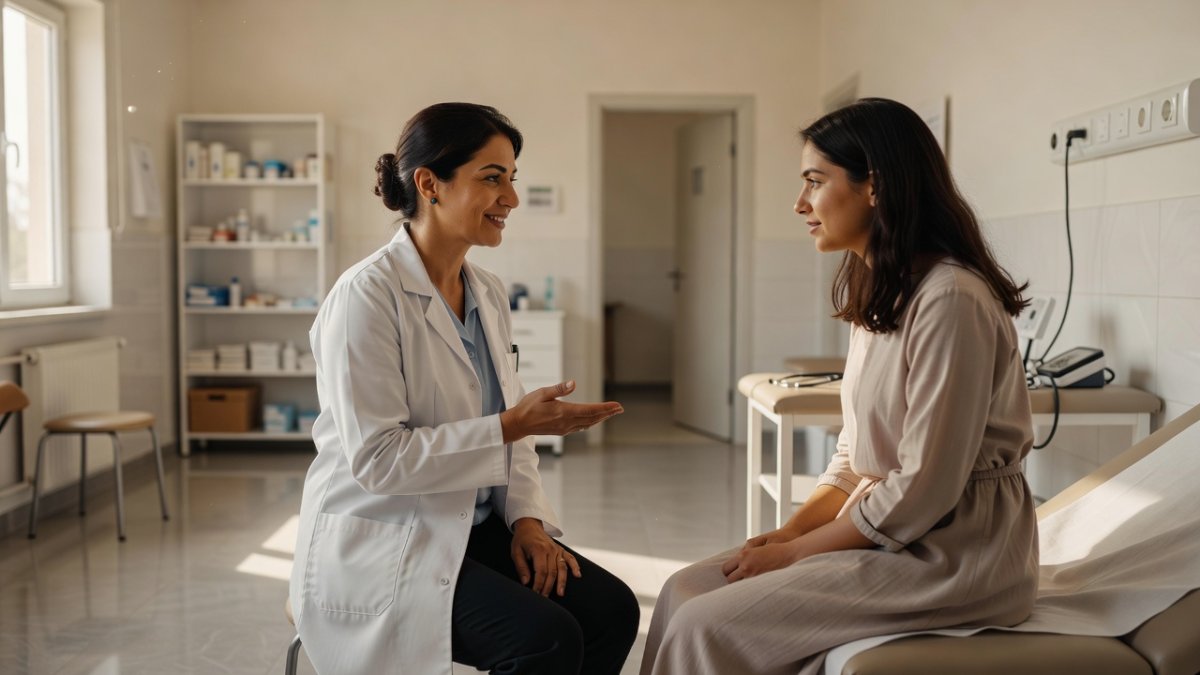
Dr Nagham Nawzat at the Duhok Survivors' Centre (Global 1 News)
Abu Omar later brought two more Yazidi girls into the house, one aged six and the other ten. The younger child was forced to clean; both endured the same pattern of violence. Shireen tried to intervene but her protests were ignored. In 2016 Iraqi forces freed her during the battle to retake Mosul. By then her uncle and several friends had been killed; her father and one sister remain missing.
The Scale of Yazidi Captivity
Shireen's account mirrors the experiences of thousands of Yazidi women and girls taken during the 2014 IS offensive that overran nearly a third of Iraq. The United Nations has described the systematic killings and abductions as an ongoing genocide. Official figures from the Kurdistan Regional Government's Kidnapped Affairs department in Duhok record that 2,023 Yazidi women had been liberated from IS-held areas by July 2018. Many returned with severe physical injuries and profound psychological trauma, including depression, nightmares and insomnia.
Yazidis revere Melek Tawwus, the Peacock Angel, as the foremost of seven emanations of their god Yasdan. IS fighters forced captives to renounce this belief and convert to Islam, adding religious humiliation to the physical violence already inflicted.
Dr Nagham Nawzat: A Yazidi Gynaecologist's Lifelong Commitment
Dr Nagham Nawzat, born in Mosul in 1976 to a Yazidi family, had long intended to study medicine. She graduated from Mosul Medical College in 2002 with a specialisation in gynaecology, driven by a desire to address women's health needs and provide practical support. When IS seized Sinjar and surrounding areas in 2014, she was already working in the Duhok region of the Kurdistan Regional Government.
In 2015 she joined the Duhok Survivors' Centre, the only facility in Iraq dedicated exclusively to survivors of gender-based violence. Funded by the United Nations Population Fund, the centre offers both medical care and psychological support. Nawzat, now 42, has personally examined and counselled more than 1,200 of the liberated women, according to Hussein al-Qaidi, director of the Kidnapped Affairs department in Duhok.
The Post-Traumatic Approach at the Survivors' Centre
Nawzat begins each consultation with a standard physical examination, then shifts to attentive listening. She employs a post-traumatic medical approach common in Iraq, allowing survivors to speak at their own pace about fears and experiences. She offers reassurance and positive reinforcement, positioning herself as a trusted confidante rather than a distant clinician.
Trust built over repeated visits enables women to disclose deeper emotions. Nawzat remains available for follow-up sessions whenever a survivor requests further support. This continuity has proved essential for women whose families were shattered and whose communities still grapple with the loss of thousands of relatives.
International Recognition and Community Respect
In March 2016 Nawzat received the International Women of Courage Award from then-US Secretary of State John Kerry for her work combating gender-based violence and supporting traumatised Yazidi survivors. Within the Yazidi community she is widely regarded as a steady source of both medical expertise and emotional solidarity.
Shireen, now 23, credits Nawzat with helping her survive the aftermath of captivity. After her release she visited the doctor for a medical check-up and received both clinical care and the simple affirmation that she had been brave. Shireen states plainly that without that support she would not be here today.
Human Rights in the Shadow of Genocide
The systematic sexual enslavement and forced conversion of Yazidi women constitute clear violations of international humanitarian law. The physical and mental health consequences extend far beyond individual cases, affecting entire families and the social fabric of displaced communities now living in the Kurdistan region. Nawzat's work documents these harms while simultaneously addressing their immediate effects.
Many survivors continue to live with missing relatives whose fates remain unknown. The presence of mass graves in former IS-controlled territory adds another layer of unresolved grief. Medical and psychological services at centres such as the one in Duhok therefore operate within a broader context of transitional justice that has yet to deliver comprehensive accountability.
Continuing Needs and Quiet Resilience
Although thousands of women have been freed, the demand for specialised care remains high. Nawzat continues her volunteer role at the centre, combining gynaecological treatment with sustained psychological support. Her approach underscores that recovery from such violence requires both clinical attention and consistent human connection.
Survivors like Shireen now navigate daily life while carrying memories of captivity, loss and separation. The quiet, methodical work of practitioners such as Dr Nagham Nawzat provides one of the few consistent sources of care available to them. Their stories illustrate both the depth of the harm inflicted in 2014 and the incremental, essential process of rebuilding lives in its aftermath.
By Fatima Al-Rashid, Staff WriterThis article was produced with AI-assisted research and editorial support. Reporting is based on sources cited in the article.
What's Your Reaction?
 Like
0
Like
0
 Dislike
0
Dislike
0
 Love
0
Love
0
 Funny
0
Funny
0
 Wow
0
Wow
0
 Sad
0
Sad
0
 Angry
0
Angry
0

Gulf/MENA Correspondent at Global1.News. Based in Doha, covering Gulf politics, energy markets, diplomacy, and development across the Middle East and North Africa. Tracks the economic transformation of the Gulf states.










Comments (0)