
Netanyahu's White House Visit Tests Fragile US-Israel Ties Amid Iran Ceasefire Hopes
Netanyahu meets Trump at the White House on July 28, 2026, their first meeting since the Iran war began. Talks focus on a ceasefire and reopening the Strait of Hormuz after the US paused 13 nights of strikes. Polymarket ceasefire odds jumped from 15% to 55% as drone attacks and shipping costs mount.
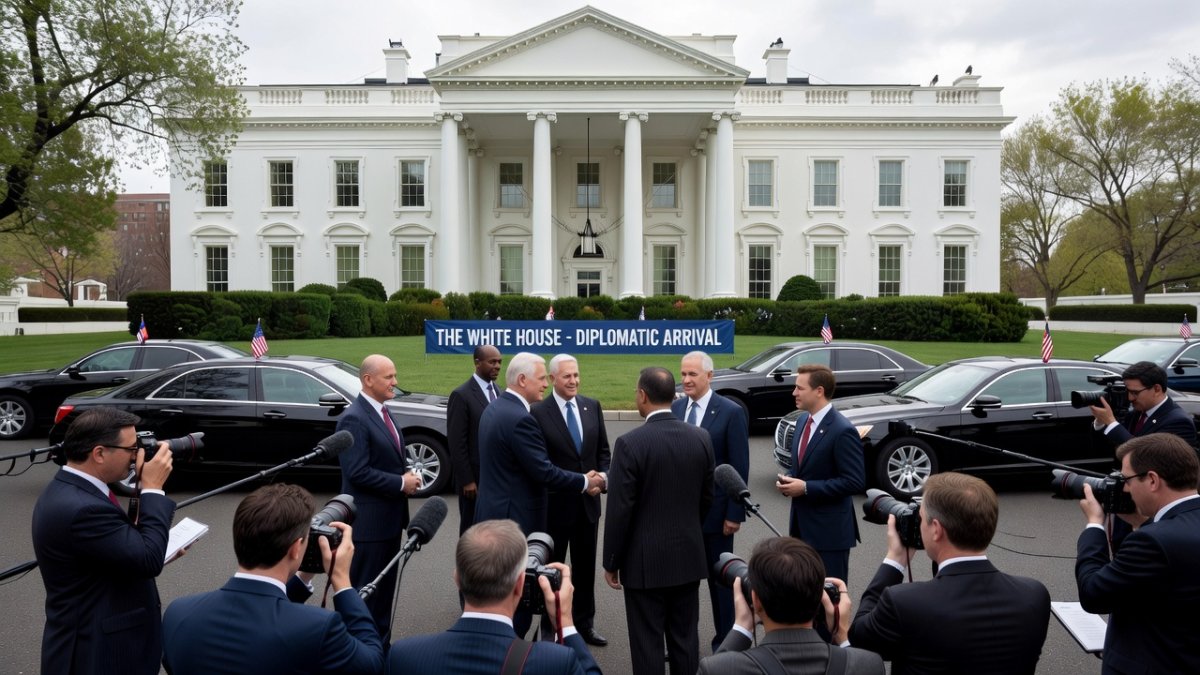
The High-Stakes White House Summit
Israeli Prime Minister Benjamin Netanyahu arrived at the White House on July 28, 2026, for his first meeting with President Donald Trump since the US and Israel launched their joint war against Iran in February 2026. The visit comes after months of waiting for an invitation, highlighting strains in what was once a close alliance. Netanyahu faces a president who has grown impatient with the pace of diplomatic progress.
Trump has signaled willingness to pursue a deal but issued a clear warning on Monday that the US would resume airstrikes if talks fail. This marks a shift from earlier phases of the conflict where coordination appeared tighter. The meeting will likely focus on whether Israel can rejoin US-led efforts or maintain its current distance from recent hostilities.
Analysts note that the relationship has cooled considerably since the war's early months. Netanyahu must now navigate Trump's direct style while pressing for continued military support. The outcome could reshape how both nations approach the remaining weeks of potential negotiations.
US Pause in Bombardment Raises Questions
The United States halted its strikes on Iran on Friday after 13 consecutive nights of operations, the most intense bombing campaign since the war began. This pause has created space for talks but also uncertainty about next steps. Trump expressed optimism about diplomacy yet left the door open for renewed action.
Israel has stayed out of the latest round of US-Iran exchanges that escalated earlier this month. This decision reflects the tensions that have built up between the two allies over strategy and timing. Netanyahu's visit aims to clarify whether Israel will align with any new US approach or pursue independent operations.
The pause follows weeks of intense activity that included multiple waves of strikes. Military planners on both sides are now assessing whether the lull can hold long enough for mediators to secure concessions. Any breakdown could trigger a rapid return to the previous intensity.
Diplomatic Push to Reopen Strait of Hormuz
Current talks center on reopening the Strait of Hormuz, with Oman and Qatar serving as key mediators. Iran's foreign minister has held calls with officials from both countries to discuss stability measures. These efforts represent the most concrete diplomatic channel active since the ceasefire collapsed on July 7.
Iran's military command, known as Khatam Al-Anbiya, accused the US on Tuesday of threatening Iranian vessels and oil tankers in coastal waters over the past three days. The statement framed these actions as an expansion of the conflict. Such claims add pressure on negotiators to produce quick results.
Success in these talks would ease global energy concerns tied to the waterway. Failure risks drawing in additional regional actors and prolonging the standoff. Both Oman and Qatar have positioned themselves as neutral facilitators with direct access to Iranian leadership.
Drone Interceptions Across Multiple Borders
Multiple nations reported intercepting attack drones on Monday, including Israel, Saudi Arabia, Jordan, Iraq, and Qatar. Jordan downed an additional drone on Tuesday near its border with Iraq and Saudi Arabia. These incidents point to ongoing threats from Iran-backed groups operating in the region.
Saudi Arabia and Qatar have attributed the attacks to militias based in Iraq. Iraqi Prime Minister Ali Al-Zaidi responded by ordering an investigation into those claims. The probe could reveal whether Iraqi territory is being used as a launch point for further strikes.
These cross-border incidents complicate the ceasefire talks by keeping military tensions high. Each interception serves as a reminder that the conflict extends beyond direct US-Iran exchanges. Regional governments are now coordinating more closely on air defense measures.
Polymarket Odds Shift Sharply on Ceasefire
Prediction market platform Polymarket saw odds for a US-Iran ceasefire by July 31 jump from 15 percent to 55 percent in recent days. This surge reflects trader optimism following the US pause in strikes and the start of mediated talks. Such rapid movement indicates shifting expectations among market participants.
The Pentagon has reported nearly 100 US service members injured since the ceasefire fell apart on July 7. These casualties underscore the human cost of the renewed hostilities. Any deal must address force protection concerns to gain support from military leadership.
Market movements like those on Polymarket often serve as early indicators of diplomatic momentum. Traders appear to be pricing in a higher likelihood of de-escalation before the end of the month. Continued progress in Oman and Qatar could push those odds even higher.
Shipping Costs Surge Amid Multiple Threats
Tanker shipping costs have skyrocketed due to simultaneous risks in the Red Sea, Strait of Hormuz, and Black Sea linked to the Iran and Ukraine conflicts. Insurance premiums have risen sharply as operators reroute vessels to avoid high-risk zones. These increases are already affecting global energy supply chains.
Companies reliant on Middle East oil routes face mounting pressure to secure alternative paths. The combination of threats has created one of the most challenging environments for maritime transport in recent years. Delays and higher fuel expenses are passing through to consumers worldwide.
Reopening the Strait of Hormuz would provide immediate relief to these markets. Until then, shipping firms continue to absorb elevated costs or seek longer detours. The economic ripple effects add urgency to the diplomatic timeline.
Iran's Diplomatic Outreach and Regional Stability
Iran's chief diplomat has stressed the need to strengthen cooperation with Oman and Saudi Arabia to advance joint efforts for regional stability. These discussions come at a critical juncture when both sides seek to avoid further escalation. The emphasis on dialogue marks a tactical shift from earlier public statements.
Tehran's outreach includes direct engagement with Saudi Arabia, a key player in any lasting arrangement. Success here could reduce the risk of proxy confrontations expanding the conflict. Both nations have incentives to prevent the situation from spiraling beyond current levels.
Stability remains elusive as long as drone threats and naval tensions persist. Iran's messaging aims to project willingness for negotiated outcomes while maintaining defensive postures. Observers will watch whether these calls translate into concrete concessions at the negotiating table.
Outlook for the Coming Days
Netanyahu's discussions with Trump will set the tone for whether the US and Israel can realign their approaches before the July 31 deadline. The president has made clear that diplomacy has a limited window. Failure to reach terms could bring a swift return to the previous bombing campaign.
Mediators in Oman and Qatar hold significant influence over the next phase. Their ability to bridge gaps between Washington and Tehran will determine if the current pause becomes a lasting ceasefire. Regional actors like Saudi Arabia and Jordan remain on alert for further incidents.
The coming week will test whether economic pressures and military fatigue can outweigh political obstacles. Both sides have shown they can inflict damage, yet neither appears eager for indefinite escalation. The White House meeting represents the clearest opportunity yet to lock in a path forward.
By Jessica Ali, Staff WriterThis article was produced with AI-assisted research and editorial support. Reporting is based on sources cited in the article.
What's Your Reaction?
 Like
0
Like
0
 Dislike
0
Dislike
0
 Love
0
Love
0
 Funny
0
Funny
0
 Wow
0
Wow
0
 Sad
0
Sad
0
 Angry
0
Angry
0

Editor-in-Chief at Global1.News. Atlanta-based journalist who cuts through the BS and tells it like it is. Lead anchor, host, and the voice you hear when the spin stops and the truth starts.














Comments (0)