
Gulf of Paria Widens as Trinidad Pours Oil on Troubled Venezuelan Waters
Introduction The Gulf of Paria has long been more than a stretch of water separating Trinidad and Tobago from Venezuela. It is a shared lifeline where fishing boats from both nations cross paths daily and where the rhythms of coastal life tie communities together. Now, a reported oil spill on May 1 2026 has stirred fresh tension, with Caracas pointing fingers across the water a
Introduction
The Gulf of Paria has long been more than a stretch of water separating Trinidad and Tobago from Venezuela. It is a shared lifeline where fishing boats from both nations cross paths daily and where the rhythms of coastal life tie communities together. Now, a reported oil spill on May 1 2026 has stirred fresh tension, with Caracas pointing fingers across the water and Port of Spain insisting the matter is far smaller than claimed.
Neighbours who already navigate tricky economic waters now face a diplomatic ripple that could affect everything from trade talks to the price of fish on the table. The incident highlights how quickly a contained spill can widen into something larger when trust between the two countries is already thin.
What Actually Happened
According to Trinidad and Tobago authorities, the event involved a minor spill of roughly ten barrels that was spotted and contained swiftly on May 1 2026. Response teams moved in quickly, deploying booms and skimmers to limit any spread across the shared waters. Officials in Port of Spain have described the release as an isolated operational matter that posed no lasting threat to the wider gulf.
Venezuela, however, presents a different picture, arguing that the spill originated in Trinidadian waters and carries risks of broader ecological harm. The contrasting accounts have already set the tone for the days ahead, with each side standing by its version of how the oil entered the sea and how far it travelled before being brought under control.
Venezuela's Demand
Caracas has issued a formal request for detailed information and compensation, framing the spill as a potential threat to ecosystems that both nations rely upon. Venezuelan officials stress that even modest releases can damage mangroves and marine habitats that support livelihoods on their side of the gulf. The demand has been channelled through established diplomatic routes, keeping the exchange measured for now.
Trinidad and Tobago has pushed back firmly against the characterisation, maintaining that the incident was minor and handled promptly. This back-and-forth comes at a time when both countries are already balancing energy needs with environmental concerns, making any request for compensation a sensitive matter that could influence future cooperation.
The Gulf of Paria
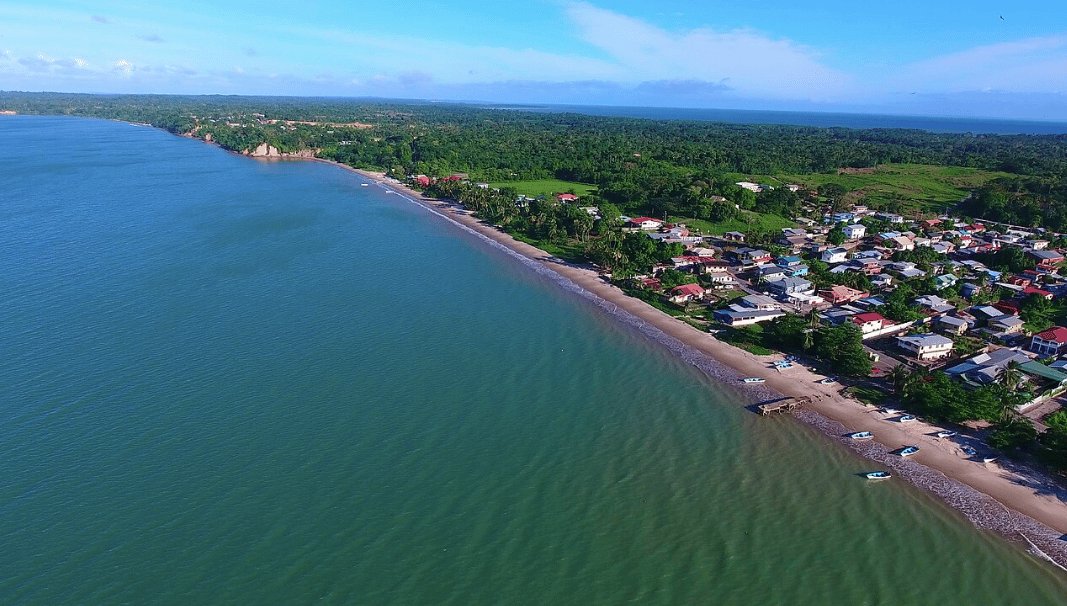
The Gulf of Paria sits between the two countries like a shared backyard, its shallow waters supporting rich mangroves and diverse marine life that sustain fishing communities from Icacos to Güiria. Families on both shores have long depended on the gulf for their daily catch, with the same tides carrying boats and stories across the invisible line that divides the nations.
Biodiversity in these waters includes species that migrate freely, reminding everyone that pollution does not respect borders. Coastal villages have watched the mangroves act as natural barriers against storms while also providing nurseries for the fish that reach markets in Port of Spain and beyond. Any threat to this balance touches the heart of how people in the region feed their families and earn their living.
A History of Maritime Friction
Relations over these waters have never been entirely smooth, with past disagreements over maritime boundaries and fishing rights creating occasional flare-ups. Trinidadian fishermen have spoken for years about challenges from illegal activity and competition in the gulf, issues that sometimes strain the neighbourly ties both governments try to maintain. Negotiations on boundaries have moved forward in fits and starts, yet practical problems at sea continue to surface.
Incidents involving piracy and unauthorised fishing have affected livelihoods on the Trinidad side, adding another layer of complexity to any new dispute. These longstanding frictions mean that even a contained spill can quickly tap into deeper concerns about fairness and protection of resources that both populations need.
Energy Politics
Trinidad and Tobago's gas production has been declining for some time, placing greater weight on projects such as the Dragon gas field arrangement with Venezuela. Energy cooperation offers potential relief for local industries and households facing higher costs, yet it must be weighed against the need to safeguard the very waters that make such projects possible. The spill arrives at a moment when both countries are looking for stable energy partnerships while also managing environmental risks.
The economic stakes are clear for communities that rely on steady fuel supplies and jobs tied to the sector. At the same time, any perception that environmental safeguards are being overlooked can fuel public worry, especially when the cost of living already presses hard on ordinary households across the Caribbean. Balancing these priorities remains a delicate task for leaders in Port of Spain and Caracas alike.
Environmental and Community Impact
A spill in the Gulf of Paria threatens fisheries that supply fresh seafood to markets and homes, potentially driving up prices at a time when inflation already squeezes family budgets. Mangroves that protect coastlines and support young fish could suffer damage that takes years to reverse, affecting both the environment and the people who depend on it. Coastal communities in Trinidad and Tobago are watching closely, aware that even small incidents can compound existing pressures from climate change and rising seas.
Small island developing states like ours feel these vulnerabilities more sharply, with limited resources to absorb repeated shocks. The worry extends beyond the immediate cleanup to longer-term questions about food security and the health of waters that generations have fished. Local voices are calling for transparency so that families can understand what, if any, steps are needed to protect their daily lives.
What Comes Next
Diplomatic channels will likely carry the next exchanges, with both sides seeking to resolve the matter without letting it derail wider relations. CARICOM could play a quiet but useful role in encouraging dialogue, given the organisation's history of supporting regional cooperation on shared challenges. The relationship between Trinidad and Tobago and Venezuela remains important for trade, energy, and security, making a measured approach essential.
Communities on both sides of the gulf will be looking for reassurance that their livelihoods and the waters they share are being protected. As talks continue, the hope is that practical steps will keep the focus on containment, information sharing, and preventing similar incidents in the future. The gulf has connected these neighbours for generations; keeping it healthy matters to everyone who lives along its shores.
By Sharon Sahatoo, Staff WriterThis article was produced with AI-assisted research and editorial support. Reporting is based on sources cited in the article.
What's Your Reaction?
 Like
0
Like
0
 Dislike
0
Dislike
0
 Love
0
Love
0
 Funny
0
Funny
0
 Wow
0
Wow
0
 Sad
0
Sad
0
 Angry
0
Angry
0
Caribbean Correspondent at Global1.News. Based in Port of Spain, Trinidad, covering Caribbean politics, economy, energy, climate, and culture. Amplifying the voices and stories of the Caribbean region.









Comments (0)