
Gulf of Paria Widens as Trinidad Pours Oil on Troubled Venezuelan Waters
Shared Waters Under Strain In the warm waters that lap against both our shores, a fresh diplomatic storm is brewing between Trinidad and Tobago and our Venezuelan neighbours. Caracas has formally demanded information and compensation from Port of Spain over an oil spill that officials there insist originated in Trinidadian waters on May 1. This request comes at a time when rela
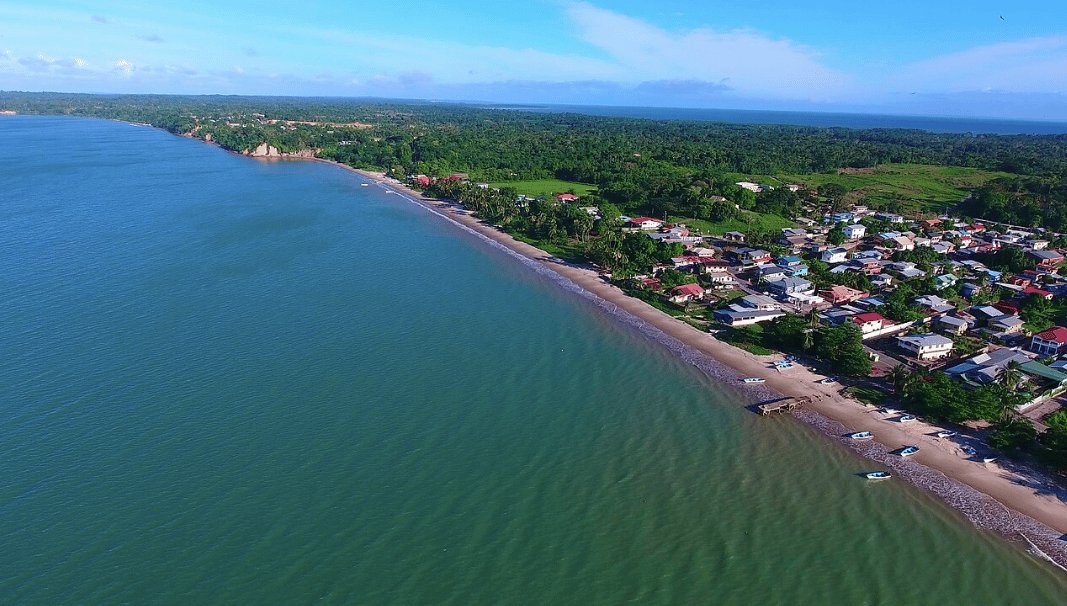
Shared Waters Under Strain
In the warm waters that lap against both our shores, a fresh diplomatic storm is brewing between Trinidad and Tobago and our Venezuelan neighbours. Caracas has formally demanded information and compensation from Port of Spain over an oil spill that officials there insist originated in Trinidadian waters on May 1. This request comes at a time when relations already carry the weight of shared resources and longstanding boundary questions, turning what might have been a routine environmental incident into a matter of regional concern.
The Gulf of Paria sits right between us, a body of water that has long served as both a lifeline and a point of friction. For communities on the southwest coast of Trinidad, the gulf represents daily livelihoods tied to fishing and the sea. Venezuela’s call for accountability highlights how quickly an event in one part of these shared waters can ripple across to the other side, affecting ecosystems and economies alike. The formal nature of the demand signals that Caracas views the matter with seriousness, even as Port of Spain maintains a different assessment of the scale.
Neighbours sharing such a vital space must navigate these moments with care. The tension adds another layer to ongoing talks about energy and maritime limits, reminding us that environmental incidents rarely stay contained within one nation’s lines on a map. As the situation develops, both governments will need to balance national interests with the reality that the gulf’s health affects people on both sides who depend on its waters for their living.
The May 1 Spill: What We Know
Details surrounding the May 1 incident remain limited, yet the core disagreement stands out clearly. Trinidad and Tobago authorities describe the event as a minor spill involving roughly ten barrels of oil that was quickly contained and cleaned up. Officials in Port of Spain have emphasised that the response was swift and effective, limiting any lasting effects within Trinidadian waters. This account frames the matter as a manageable operational issue rather than a significant environmental threat.
Venezuela, however, presents a contrasting picture. Caracas maintains that the spill originated in Trinidadian waters and carries the risk of serious damage to the shared ecosystems of the Gulf of Paria. Their concerns centre on potential harm to fisheries, mangroves, and marine life that cross the invisible boundary between the two countries. The call for information and compensation reflects a belief that the incident’s consequences extend beyond Trinidad’s immediate response area.
The discrepancy leaves room for further clarification through diplomatic channels. What is known is that the spill occurred in a region where offshore energy activities are common, and that both nations monitor such events closely. Environmental groups and fishing communities on either side are paying close attention, aware that even contained incidents can influence perceptions of safety and responsibility in these busy waters. Accurate information sharing will be essential to resolve the differing views.
A History of Maritime Tension
The Gulf of Paria has never been a simple stretch of water for Trinidad and Tobago and Venezuela. For decades, the two countries have engaged in negotiations over maritime boundaries, driven by the area’s rich oil and gas reserves. These talks have touched on everything from exploration rights to fishing access, creating a backdrop where any incident can quickly gain wider significance. The current diplomatic exchange fits into this longer pattern of managing shared resources amid differing national priorities.
Trinidad and Tobago maintains significant offshore energy operations in the gulf and the broader Columbus Basin, contributing to the nation’s economy and energy security. Venezuela likewise holds interests in the same waters, leading to periodic discussions about joint development and boundary clarity. Past efforts to settle these matters have produced agreements, yet questions around resource allocation and environmental oversight continue to surface whenever new developments arise.
Fishing communities in both nations have long navigated these waters, sometimes facing restrictions tied to boundary agreements. The gulf’s strategic importance for energy means that technical and political considerations often intersect. As the May 1 spill enters this established context, it underscores how environmental incidents can intersect with existing negotiations, potentially influencing the tone of future talks between Port of Spain and Caracas.
Environmental Stakes in the Gulf
The ecological value of the Gulf of Paria extends well beyond its oil and gas deposits. Mangroves along the coast provide breeding grounds for fish and protection against erosion, while the marine life supports thousands of fisherfolk who rely on steady catches for their families. An oil spill, even one described as small, raises concerns about contamination that could affect these delicate systems and the people who depend on them for daily sustenance.
Communities on the Trinidad side, particularly those in coastal villages, understand the direct link between gulf health and household income. Similar realities exist across the water in Venezuela, where fishing remains a vital part of local economies. Environmental groups monitoring the area have noted that pollutants do not respect national boundaries, making cooperation essential when incidents occur. The shared nature of the ecosystem means that any damage can have cross-border consequences for biodiversity and livelihoods alike.
Protecting these waters requires ongoing attention to both large-scale operations and smaller events. The presence of energy infrastructure adds complexity, as maintenance and safety measures must balance economic needs with environmental safeguards. Fishing families on both sides will continue to watch developments closely, hoping that diplomatic exchanges lead to clearer protections for the gulf’s natural resources that sustain so many households in the region.
Port of Spain Responds
Trinidad and Tobago’s official stance remains firm that the May 1 spill was minor and effectively contained. Government sources have disputed Venezuela’s characterisation of the incident’s origins and potential reach, stressing that local response teams acted promptly to limit any spread. This position reflects a desire to address the matter through established environmental protocols rather than escalating it into a broader compensation issue.
At the same time, observers note that the timing of Caracas’s demand coincides with ongoing discussions about maritime boundaries and energy resources. Some analysts suggest the formal request could serve as leverage in wider negotiations, though Port of Spain has not publicly framed the exchange in those terms. The government continues to emphasise technical assessments over political interpretations, aiming to keep the focus on operational facts.
Balancing these responses requires careful diplomacy. Trinidad and Tobago values its relationship with Venezuela as a neighbour and energy partner, yet must also defend its assessment of events within its waters. Clear communication and data sharing could help reduce misunderstandings, allowing both sides to address environmental concerns without letting the incident overshadow other areas of cooperation. The coming weeks will test how effectively the two governments manage this latest point of friction.
What Comes Next
Diplomatic channels between Port of Spain and Caracas will likely determine the next steps following Venezuela’s formal request. Both nations have experience navigating such exchanges through established bilateral mechanisms, and continued dialogue could clarify the facts surrounding the May 1 spill. Any agreement on information sharing or further assessments would help ease current tensions while addressing environmental questions raised by Caracas.
The broader implications touch on energy cooperation in the gulf. Trinidad and Tobago’s offshore operations remain central to its economy, and stable relations with Venezuela support regional energy discussions. A resolution that satisfies both environmental and operational concerns could strengthen future collaboration, particularly in areas like the Dragon Gas field where joint interests exist. CARICOM partners will also observe how the situation unfolds, given the potential effects on regional stability and resource management.
Ultimately, the health of the Gulf of Paria affects communities across borders. Fishing families and environmental advocates on both sides hope that practical measures emerge from the current exchange, ensuring that shared waters remain productive and protected. As talks progress, the emphasis on accurate information and measured responses will be key to maintaining neighbourly relations while safeguarding the resources that sustain livelihoods in Trinidad and Tobago and Venezuela alike.
By Sharon Sahatoo, Staff WriterThis article was produced with AI-assisted research and editorial support. Reporting is based on sources cited in the article.
What's Your Reaction?
 Like
0
Like
0
 Dislike
0
Dislike
0
 Love
0
Love
0
 Funny
0
Funny
0
 Wow
0
Wow
0
 Sad
0
Sad
0
 Angry
0
Angry
0

Caribbean Correspondent at Global1.News. Based in Port of Spain, Trinidad, covering Caribbean politics, economy, energy, climate, and culture. Amplifying the voices and stories of the Caribbean region.














Comments (0)