
El Mayo Zambada Accepts Life Sentence Asks Medical Care
Keywords: El Mayo Zambada, Sinaloa Cartel sentencing, Mexican cartel violence, Sinaloa families impact, US Mexico extradition El Mayo Zambada Accepts Life Sentence in Federal Court Filing The sentencing letter submitted on July 6, 2026, by attorney Frank A. Perez outlines Ismael Zambada García's acceptance of a mandatory life term. This development comes after his 2024 arrest a
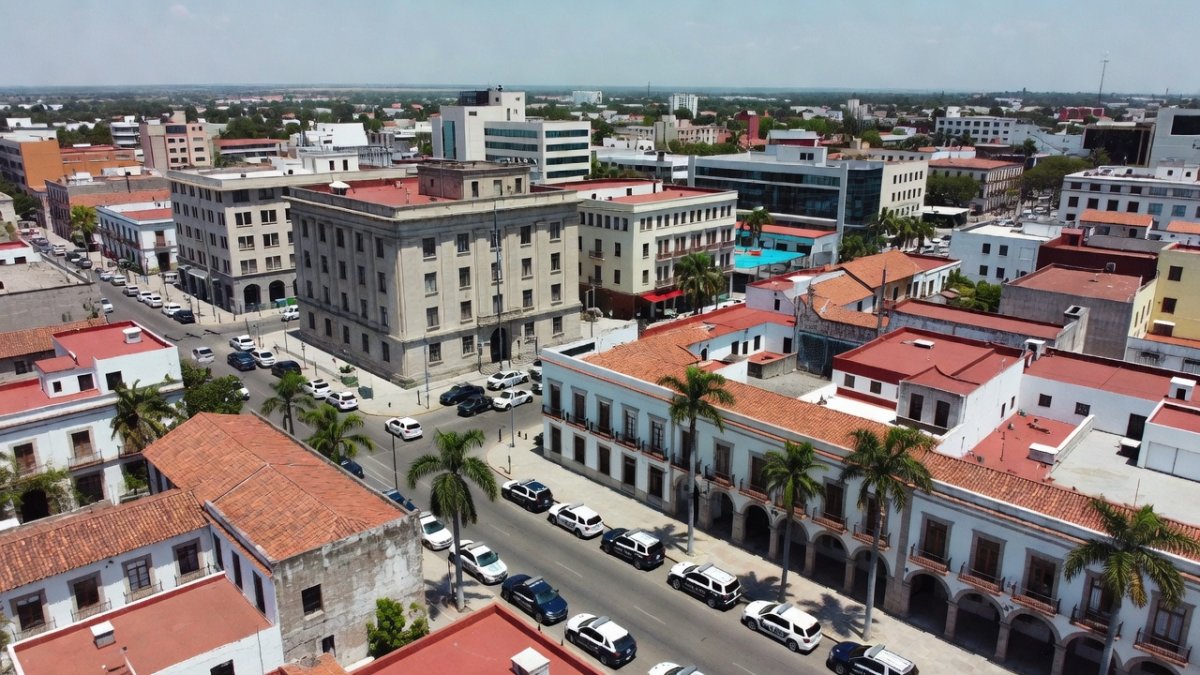
El Mayo Zambada Accepts Life Sentence in Federal Court Filing
The sentencing letter submitted on July 6, 2026, by attorney Frank A. Perez outlines Ismael Zambada García's acceptance of a mandatory life term. This development comes after his 2024 arrest and extradition proceedings. Court records indicate the formal sentencing hearing is scheduled for July 20, 2026, before Judge Brian M. Cogan in the Eastern District of New York. Families across Sinaloa continue to watch these proceedings closely because cartel leadership changes often ripple into daily life in rural towns.
Tags: El Mayo Zambada, Sinaloa Cartel, life sentence, Mexican communities, cartel violence
The Story Unfolds
The July 6, 2026, letter from defense counsel Frank A. Perez emphasizes that any cooperation by Zambada should factor into facility placement decisions rather than defaulting to the most restrictive federal prison. The document specifically requests consideration for medical centers such as FMC Butner, FMC Rochester, or MCFP Springfield to address the 76-year-old's health needs. Court filings note that these requests aim to balance security requirements with medical realities for an aging defendant. Legal observers note that such arguments appear in many federal cases involving older inmates who require ongoing care.
Zambada was born on January 30, 1950, into a family of subsistence farmers in rural Sinaloa as the second of seven children. He completed schooling only through the sixth grade before circumstances forced him into work at a young age. His father passed away from brain cancer when Zambada was twelve, leaving the family to navigate economic hardship in an agricultural region with limited opportunities. These early experiences shaped the trajectory that later connected him to organized networks in the state.
The letter contrasts the circumstances of his 2024 apprehension with any notion of voluntary surrender, noting that Zambada was brought to the United States following an alleged kidnapping orchestrated by Joaquín Guzmán López. This event occurred in July 2024 and has been described in official statements as non-consensual. Mexican authorities have referenced the incident in diplomatic discussions, with former President Andrés Manuel López Obrador and President Claudia Sheinbaum both expressing views that U.S. involvement may have played a role. Such claims have fueled ongoing debates about cross-border law enforcement cooperation.
Mexican Context
Since September 2024, clashes between Los Chapitos and Los Mayos factions have resulted in more than 2,000 reported deaths across Sinaloa according to local monitoring groups. These confrontations have involved targeted attacks in urban and rural zones alike, disrupting transportation routes and agricultural work. State officials in Culiacán have documented increased displacement of residents from affected neighborhoods. The violence has strained local hospitals and emergency services that serve ordinary families without ties to any criminal group.
Mexican institutions such as the Fiscalía General de la República have tracked these incidents through official crime reports, though exact attribution remains complex. Political leaders in Mexico City have called for strengthened coordination between federal and state forces to protect civilians. Community leaders in Sinaloa emphasize that the majority of residents simply seek stable conditions to raise children and maintain small businesses. The broader national conversation often returns to how extradition cases influence internal security dynamics.
Regional economies in Sinaloa rely heavily on farming and small-scale trade that suffer when roadblocks and shootouts occur. Local governments have organized community meetings to discuss safety measures and support networks for affected households. These gatherings frequently highlight the human cost beyond the headlines, focusing on lost wages and interrupted schooling for young people.
Impact on Mexican Communities
Ordinary families in Culiacán and surrounding municipalities report living with constant uncertainty about travel and daily routines due to the factional fighting. Parents describe adjusting school schedules and work commutes to avoid high-risk hours, while grandparents worry about younger relatives being caught in crossfire. Local churches and neighborhood associations have stepped in to provide food distribution and counseling services for those displaced by the violence. These grassroots efforts reflect the resilience of Mexican communities that have faced similar challenges over decades.
The economic ripple effects include reduced market days in rural plazas where vendors sell produce and handmade goods. Women who head households often bear additional burdens when male family members face recruitment pressures or safety threats. State social programs have attempted to fill gaps with temporary aid, yet residents note that long-term stability depends on reduced conflict. Many express hope that legal resolutions in U.S. courts might eventually ease tensions back home.
Health centers in Sinaloa have recorded higher demand for trauma care and mental health support linked to the ongoing clashes. Community health workers travel to isolated villages to check on families who lack easy access to hospitals. These workers stress that the human stories behind statistics involve children missing meals and elders losing lifelong neighbors. The focus remains on protecting the next generation from cycles of instability.
Reactions and Responses
Political figures in Mexico have issued measured statements regarding the upcoming July 20, 2026, sentencing, underscoring the importance of due process while acknowledging community concerns. U.S. officials have maintained standard protocols for high-profile extradition cases without commenting on specific placement requests. Civil society organizations on both sides of the border have called for attention to the victims of cartel-related violence rather than solely focusing on leadership figures. Public discourse in Sinaloa often centers on practical needs such as safer roads and better schools.
Local media outlets have interviewed residents who describe mixed feelings about any potential reduction in leadership conflicts. Some families hope for calmer periods that allow businesses to reopen fully, while others remain cautious given past patterns. Religious leaders have organized prayer vigils for peace that draw participants from multiple generations. These events serve as reminders that the story extends far beyond courtroom filings.
Analysts connected to Mexican academic institutions point out that sentencing outcomes in U.S. courts can influence factional power balances, though direct causation is difficult to establish. Community forums continue to prioritize dialogue about non-violent paths forward for youth in the region. The emphasis stays on supporting families who have endured repeated waves of uncertainty.
The Legal Precedent
Comparisons with Joaquín Guzmán Loera's 2019 trial, which lasted eleven weeks and featured extensive witness testimony, highlight differences in approach for the current case. Zambada's acceptance of the life sentence through the July 6, 2026, letter suggests a streamlined process without a prolonged public trial. Legal experts note that such resolutions can conserve resources while still resulting in maximum penalties. The focus on medical facility placement adds a layer concerning the treatment of elderly defendants in the federal system.
Defense arguments in the letter stress that demonstrated cooperation warrants consideration for appropriate housing rather than automatic assignment to facilities like the one holding El Chapo. Prosecutors have historically balanced security concerns with humanitarian factors in similar matters. Court records from prior cases show that judges weigh medical documentation when making final determinations. This aspect of the proceedings draws attention from advocates for prison reform on both sides of the border.
The Eastern District of New York has handled multiple high-profile cartel matters, establishing patterns for how cooperation and health issues factor into outcomes. Observers expect the July 20, 2026, hearing to address these elements directly. Mexican legal scholars continue to monitor how such U.S. decisions intersect with domestic policy discussions about organized crime. The precedent may shape future extradition negotiations involving aging defendants.
What to Watch For
Attention now turns to the July 20, 2026, hearing and any statements from the court regarding facility assignment. Families in Sinaloa will continue to navigate daily life amid the factional tensions that have persisted since late 2024. Community organizations plan additional support initiatives to assist those impacted by displacement and economic disruption. Observers will also track whether diplomatic exchanges between Mexico and the United States evolve in response to these developments.
Local leaders emphasize the need for sustained investment in education and job programs that offer alternatives to involvement in illicit activities. Residents express a collective desire for periods of calm that allow children to focus on school and elders to maintain family traditions. The coming months may bring further clarity on how the sentencing influences broader security conditions. Throughout these events, the priority for many remains the well-being of ordinary households across the state.
Updates from official channels will likely address both the legal outcome and any related security assessments. Mexican civil society groups intend to keep the focus on victim support and community resilience. As the date approaches, conversations in Culiacán and beyond center on practical steps toward stability for the next generation.
By Rosa Martinez, Staff Writer
This article was produced with AI-assisted research and editorial support. Reporting is based on sources cited in the article.
What's Your Reaction?
 Like
0
Like
0
 Dislike
0
Dislike
0
 Love
0
Love
0
 Funny
0
Funny
0
 Wow
0
Wow
0
 Sad
0
Sad
0
 Angry
0
Angry
0
Latin America/Andes Correspondent at Global1.News. Based in Bogota, covering politics, environment, energy, and social movements across the Andean region. Passionate about environmental journalism and communities protecting their land.











Comments (0)