
Cuba Blackouts: Third Outage Sparks Protests Amid Crisis
Protests Erupt as Blackouts Sweep the Island Cubans banged pots and set rubbish on fire Tuesday evening to protest the nationwide power cut that left millions in darkness. Spontaneous protests erupted in the worst-affected areas where frustration boiled over after days without electricity. These demonstrations highlighted the immediate anger of residents who could no longer end
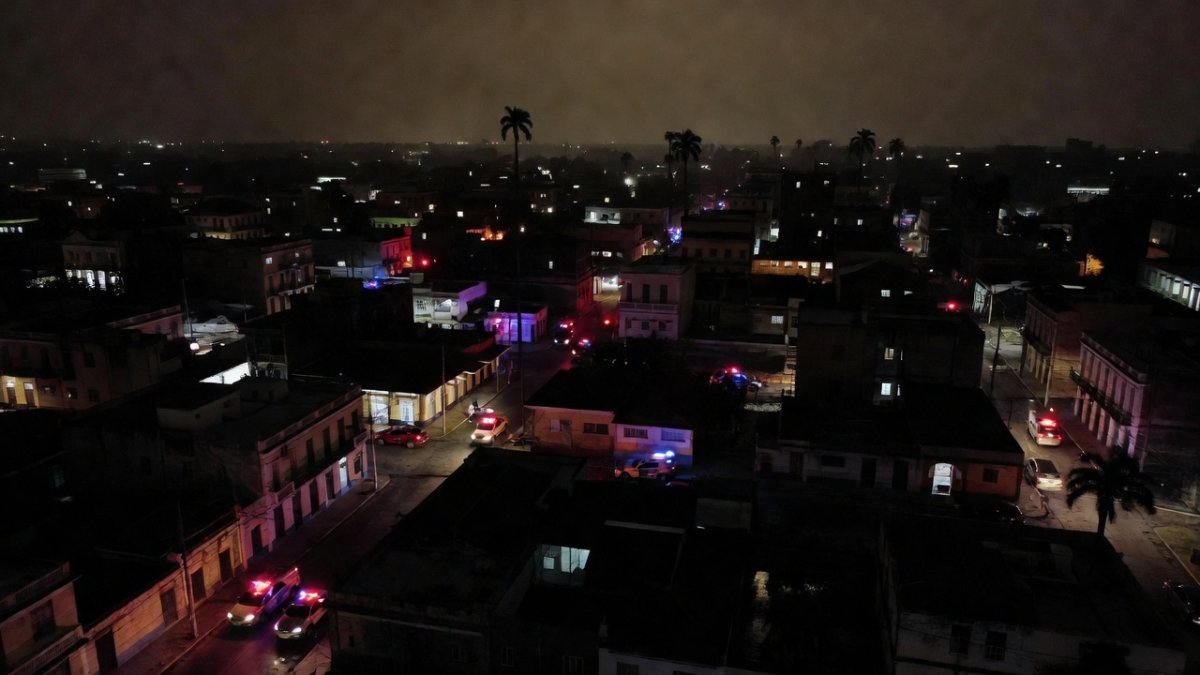
Protests Erupt as Blackouts Sweep the Island
Cubans banged pots and set rubbish on fire Tuesday evening to protest the nationwide power cut that left millions in darkness. Spontaneous protests erupted in the worst-affected areas where frustration boiled over after days without electricity. These demonstrations highlighted the immediate anger of residents who could no longer endure the prolonged outages. Public dissent in Cuba is often punished with long prison sentences yet people still voiced their discontent openly in the streets.
Locals in several neighborhoods shouted demands for basic services to resume without delay. The protests reflected deep-seated grievances over the repeated failures of the power grid. Even in areas where authorities claimed progress residents continued to gather and express their outrage. Such actions underscored the severity of the crisis that had gripped the island for months.
Urban centers saw crowds form quickly as the blackout extended into the evening hours. Participants focused their actions on drawing attention to the lack of reliable electricity. The events marked a rare public display amid the ongoing hardships faced by ordinary citizens. These protests spread rapidly in regions hit hardest by the sudden loss of power.
Third Nationwide Outage Deepens Energy Crisis
Monday's outage marked the third nationwide blackout this year on top of already rolling electricity cuts that plagued daily life. The state electricity company did not explain the cause of the latest outage leaving residents without answers. Rural areas endured up to 70 hours without power while urban zones faced up to 30 hours of planned outages. This latest event compounded the existing energy shortages that had become routine across the country.
Even generators lacked fuel during the power cuts forcing many households into complete darkness. Santiago de Cuba the second-largest city remained without power Tuesday evening despite official claims of restoration. Cuban officials said most power was restored Tuesday but locals continued to shout turn on the lights in protest. The repeated blackouts revealed the fragility of the national grid under sustained pressure.
Fuel shortages exacerbated the situation leaving backup systems inoperable when needed most. Communities across the island reported extended periods of darkness that disrupted all normal activities. The third major outage this year intensified calls for immediate solutions to the energy problems. Residents in both rural and urban settings struggled with the cumulative effects of these frequent disruptions.
US Sanctions and Oil Blockade Fuel the Shortage
Fuel shortages were exacerbated by US sanctions and an effective oil blockade that restricted vital imports. The Trump administration imposed fresh sanctions and an effective oil blockade while threatening tariffs on countries supplying fuel to Cuba. These measures created severe constraints on the availability of essential resources for power generation. Even basic operations at power plants were hampered by the lack of imported oil and related supplies.
The blockade prevented the arrival of necessary fuel stocks leading to widespread generation failures. Cuban authorities described the situation as resulting from external pressures that intensified over recent months. Generators stood idle without fuel during the blackouts adding to the misery of affected populations. Such restrictions highlighted the direct impact of international policies on domestic energy stability.
Countries attempting to provide assistance faced potential tariffs that further isolated Cuba from global fuel markets. The sanctions regime created a multi-layered barrier to obtaining the resources needed for consistent electricity supply. Residents experienced the consequences through extended periods without power or reliable alternatives. These external factors played a central role in deepening the ongoing energy shortages across the island.
President Díaz-Canel Acknowledges Widespread Suffering
President Miguel Díaz-Canel acknowledged widespread dissatisfaction stemming from shortages of transport food and medicines along with power cuts lasting more than 20 hours. He urged Cubans to direct their anger at the US government and said direct your pot-banging towards our northern neighbours. This statement came amid growing public frustration with the daily hardships caused by the blackouts. The president recognized the cumulative toll on citizens from multiple interconnected shortages.
His comments addressed the reality of prolonged outages that had left many without basic necessities. Díaz-Canel pointed to external factors as the primary source of the current difficulties facing the population. Residents heard these remarks while still dealing with the immediate effects of the latest blackout. The acknowledgment highlighted the scale of suffering that extended beyond electricity to essential goods and services.
Local reactions showed continued demands for practical improvements in daily conditions. The president’s words reflected an attempt to channel public sentiment toward foreign policy issues. Communities continued to experience the shortages he described even as official statements were issued. These admissions underscored the breadth of challenges confronting ordinary Cubans at this time.
Diplomatic Clash at the United Nations
US UN Ambassador Michael Waltz at the UN General Assembly Tuesday blamed the Cuban government and said change your ways and turn the lights back on. He added that there always seems to be enough power for the Cuban dictatorship. These remarks came during discussions of the ongoing crisis and drew sharp responses from Cuban officials. The exchange highlighted contrasting views on the root causes of the energy problems.
Foreign minister Bruno Rodríguez accused the US of multi-dimensional non-conventional warfare that became ever more cruel over seven months. He linked the intensified measures directly to the recent deterioration in energy supplies. The diplomatic confrontation at the United Nations reflected broader tensions between the two nations. Each side presented its narrative on responsibility for the blackouts affecting millions.
Waltz’s statements emphasized internal governance issues as the key factor in the power failures. Rodríguez countered by pointing to external actions that had escalated in recent times. The public exchange at the assembly drew attention to the international dimensions of the crisis. Observers noted the sharp divide in interpretations of the events unfolding in Cuba.
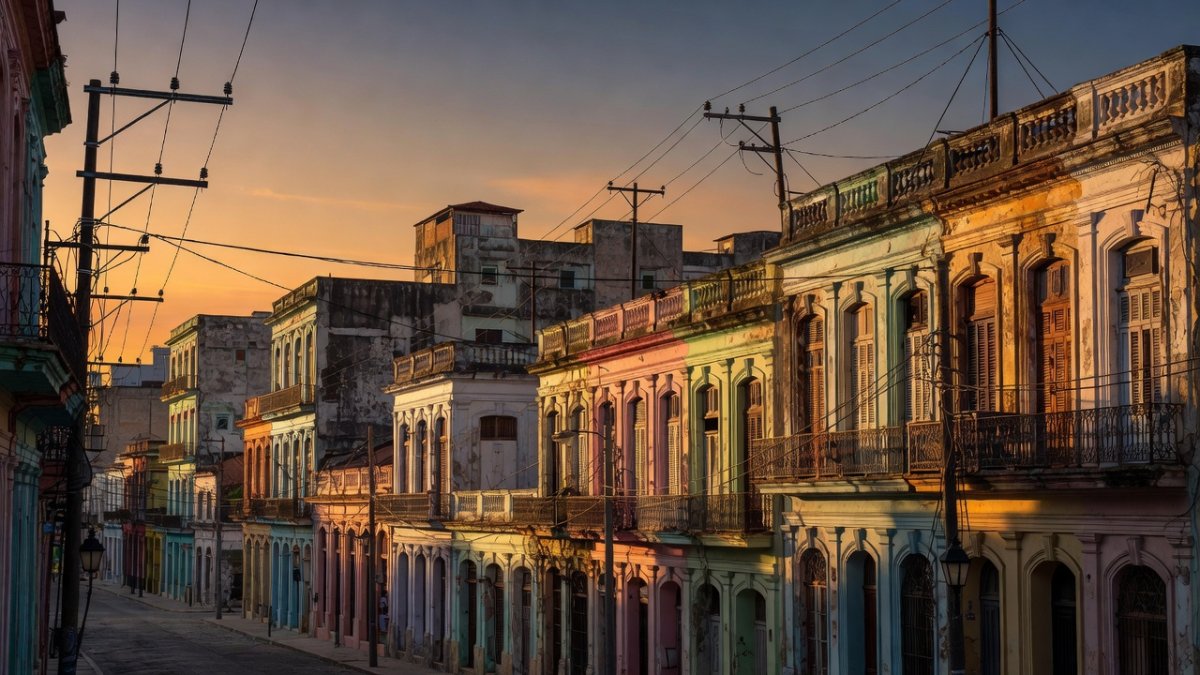
US-Cuba Relations Plunge to New Lows
US-Cuba relations deteriorated since January when Trump accused Cuba of threatening US national security. US forces seized former Venezuelan President Nicolás Maduro a Cuba ally in January further straining ties. Trump said Cuba was ready to fall as part of broader policy shifts toward the island nation. These developments set the stage for heightened confrontations in subsequent months.
The Trump administration introduced fresh sanctions and an effective oil blockade while threatening tariffs on fuel suppliers. US authorities also levelled murder charges against former Cuban president Raúl Castro who is age 95. Such actions marked a significant escalation in pressure on the Cuban government. The cumulative effect pushed bilateral relations to notably lower points than in previous periods.
Accusations from both sides intensified as the energy crisis unfolded on the island. The seizure of Maduro and related charges added layers of complexity to the diplomatic standoff. Cuban officials viewed these steps as direct interference in regional affairs. The overall trajectory since January reflected a sharp decline in any cooperative engagement between the two countries.
Private Talks Offer Little Hope for Resolution
US and Cuba held private talks recently but foreign minister Bruno Rodríguez said they show no progress. The discussions failed to yield concrete steps toward easing the current energy and economic pressures. Rodríguez noted that the talks demonstrated limited willingness for meaningful change from the US side. This outcome left little optimism for near-term improvements in bilateral conditions.
Despite the lack of advancement the door remained open to dialogue based on mutual respect and non-interference. Cuban officials emphasized that any future engagement would require adherence to these principles. The private nature of the talks underscored the challenges in achieving public breakthroughs. Residents continued to face daily hardships while diplomatic channels produced minimal results.
The foreign minister’s assessment reflected ongoing frustrations with the pace of negotiations. External sanctions and blockades remained central obstacles according to Cuban perspectives. The absence of progress in these talks mirrored the broader stalemate in relations. Hopes for resolution through dialogue appeared diminished following the recent private exchanges.
Regional Implications for Latin America and the Caribbean
The US seizure of Nicolás Maduro a key Cuba ally in January sent ripples across Latin America and the Caribbean. Countries in the region watched as tensions between the US and Cuba escalated with potential effects on shared energy and trade networks. The effective oil blockade threatened to influence fuel supplies for neighboring nations reliant on regional cooperation. These events highlighted vulnerabilities in interconnected systems throughout the area.
Threatened tariffs on countries supplying fuel to Cuba raised concerns among governments in the Caribbean about future economic ties. The multi-dimensional pressures described by Cuban officials extended beyond the island to affect broader diplomatic dynamics. Regional leaders observed the protests and blackouts as indicators of wider instability. The crisis underscored how bilateral disputes could impact collective stability in the hemisphere.
Accusations of non-conventional warfare added to the complexity of relations among Latin American states. The involvement of allies like Venezuela illustrated the interconnected nature of political and energy challenges. Observers in the region noted the potential for similar pressures to emerge elsewhere. The situation in Cuba served as a focal point for discussions on sovereignty and external influence across the Americas.
By Elena Vasquez, Staff WriterThis article was produced with AI-assisted research and editorial support. Reporting is based on sources cited in the article.
What's Your Reaction?
 Like
0
Like
0
 Dislike
0
Dislike
0
 Love
0
Love
0
 Funny
0
Funny
0
 Wow
0
Wow
0
 Sad
0
Sad
0
 Angry
0
Angry
0
Latin America Correspondent at Global1.News. Based in Mexico City, covering politics, economics, energy, and culture across the region. Brings an on-the-ground perspective to stories spanning from the Rio Grande to Patagonia.











Comments (0)